India · Region
Guwahati
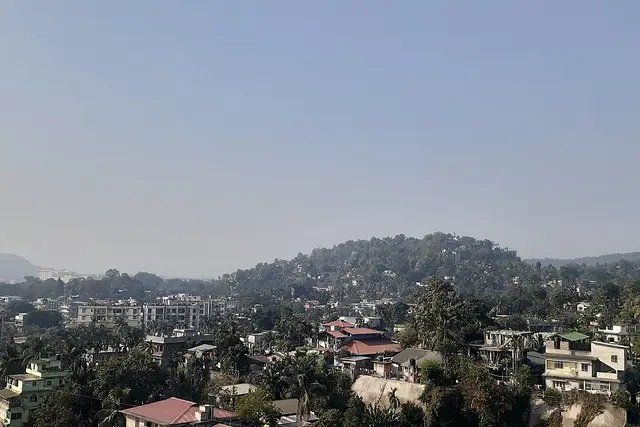
Guwahati sits on the banks of the Brahmaputra river and is widely known as the Gateway to Northeast India, a title earned by its role as the region's main transit and trade hub. The city blends riverside temples, like the hilltop Kamakhya Temple, with the everyday bustle of a growing commercial centre for the seven sister states.
Top-rated things to do in Guwahati
Booking links are affiliate links — booking through them supports our free guides at no extra cost to you.
Where to stay in Guwahati
Compare Guwahati hotels and stays at the lowest price — deals, ratings, and real traveler reviews.
Search hotels in Guwahati →Booking links are affiliate links — booking through them supports our free guides at no extra cost to you.
Plan your trip to Guwahati
India eSIM & staying connected →
Some links above are affiliate links — if you book through them, Wander Atlas earns a small commission at no extra cost to you. It's how we keep every guide free.
When to visit India: month-by-month weather, crowds and holidays →
Frequently asked questions about Guwahati
How do I get to Guwahati?
Most travellers arrive via Lokpriya Gopinath Bordoloi International Airport (GAU), located about 20km from the city centre and serving as the primary airport for Northeast India. Guwahati railway station (GHY), in the heart of the city, is the region's main rail hub, with the nearby Kamakhya Junction handling many long-distance services as well.
How many days should I spend in Guwahati?
~2 days is enough to cover Guwahati's temples, riverfront and museums, though many travellers pass through for a day or two en route to the rest of Northeast India.
What is Guwahati known for?
Guwahati sits on the banks of the Brahmaputra river and is widely known as the Gateway to Northeast India, a title earned by its role as the region's main transit and trade hub. The city blends riverside temples, like the hilltop Kamakhya Temple, with the everyday bustle of a growing commercial centre for the seven sister states.