
Argentina · Region
Humahuaca
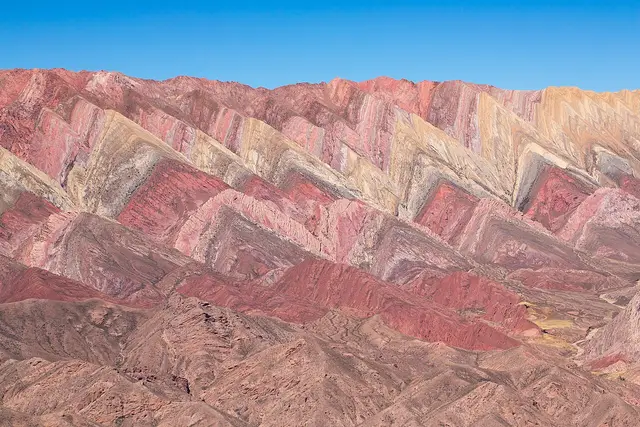
Humahuaca is a high-altitude Andean town in Argentina's Jujuy Province, set within the Quebrada de Humahuaca, a UNESCO World Heritage cultural landscape carved by the Rio Grande. Once a stop on the ancient Camino Inca trade route, it retains cobbled streets, colonial-era adobe buildings and a living indigenous heritage amid dramatic, multicoloured rock formations.
Top-rated things to do in Humahuaca
Booking links are affiliate links — booking through them supports our free guides at no extra cost to you.
Where to stay in Humahuaca
Compare Humahuaca hotels and stays at the lowest price — deals, ratings, and real traveler reviews.
Search hotels in Humahuaca →Booking links are affiliate links — booking through them supports our free guides at no extra cost to you.
Plan your trip to Humahuaca
Argentina eSIM & staying connected →
Some links above are affiliate links — if you book through them, Wander Atlas earns a small commission at no extra cost to you. It's how we keep every guide free.
When to visit Argentina: month-by-month weather, crowds and holidays →
Frequently asked questions about Humahuaca
How do I get to Humahuaca?
The nearest airport is Jujuy (JUJ), roughly 125km to the south; from there, buses run from San Salvador de Jujuy's main terminal along National Route 9 into the Quebrada, reaching Humahuaca in ~2 to 3 hours. There is no rail passenger service to the town, so road transport, by bus or hired car, is the standard way in.
How many days should I spend in Humahuaca?
Allow ~1 to 2 days to explore Humahuaca's old town, museums and nearby archaeological sites, or longer if combining it with other villages strung along the Quebrada such as Tilcara and Purmamarca.
What is Humahuaca known for?
Humahuaca is a high-altitude Andean town in Argentina's Jujuy Province, set within the Quebrada de Humahuaca, a UNESCO World Heritage cultural landscape carved by the Rio Grande. Once a stop on the ancient Camino Inca trade route, it retains cobbled streets, colonial-era adobe buildings and a living indigenous heritage amid dramatic, multicoloured rock formations.