Thailand · Region
Kanchanaburi
Kanchanaburi is forever tied to the infamous "Death Railway" and the steel bridge over the Khwae Noi River, where war cemeteries and museums sit alongside a laid-back riverside town. Beyond the wartime history, the surrounding province opens into limestone hills, waterfalls and national parks that make it as much a nature escape as a history lesson.
Top attractions
 attraction
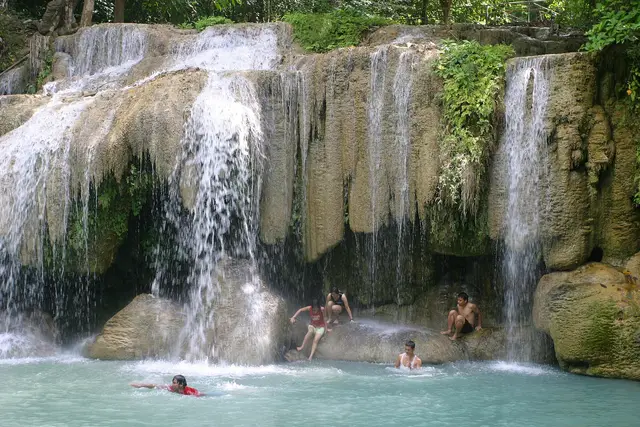
 Erawan National Park: Kanchanaburi Travel Guide (4.6★)
Erawan National Park, about two hours from Kanchanaburi town, is famous for its seven-tier turquoise waterfall and swimming pools cut into the limestone forest. 4.6★ (16,715 reviews) — what visitors say, hours, and tips.
 attraction
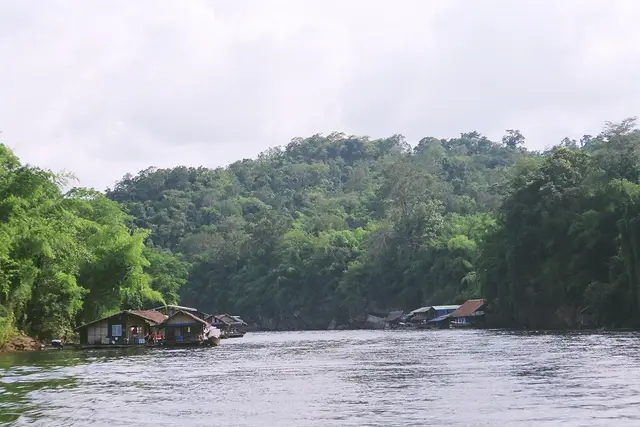
 Sai Yok National Park: Kanchanaburi Travel Guide (4.4★)
Sai Yok National Park sits about 100km northwest of Kanchanaburi town, along the Khwae Noi River near the Myanmar border. 4.4★ (2,580 reviews) — what visitors say, hours, and tips.
Top-rated things to do in Kanchanaburi
Live prices from Klook. Booking through these links supports our free guides at no extra cost to you.
Where to stay in Kanchanaburi
Compare Kanchanaburi hotels and stays at the lowest price — deals, ratings, and real traveler reviews.
Search hotels in Kanchanaburi →Booking links are affiliate links — booking through them supports our free guides at no extra cost to you.
Plan your trip to Kanchanaburi
Some links above are affiliate links — if you book through them, Wander Atlas earns a small commission at no extra cost to you. It's how we keep every guide free.
When to visit Thailand: month-by-month weather, crowds and holidays →
Frequently asked questions about Kanchanaburi
How do I get to Kanchanaburi?
Kanchanaburi has no airport of its own — the closest air links are Bangkok's Suvarnabhumi (BKK) and Don Mueang (DMK), from which it's reached by road (~2 hours) or by a scenic local train from Bangkok's Thonburi Station, with buses also running from Bangkok's southern bus terminal.
How many days should I spend in Kanchanaburi?
Most visitors cover the bridge, Death Railway Museum and war cemetery on a day trip (~1 day), but staying ~2-3 days allows time to also reach Erawan National Park's waterfalls or ride the rail line further to Nam Tok.
What is Kanchanaburi known for?
Kanchanaburi is forever tied to the infamous "Death Railway" and the steel bridge over the Khwae Noi River, where war cemeteries and museums sit alongside a laid-back riverside town. Beyond the wartime history, the surrounding province opens into limestone hills, waterfalls and national parks that make it as much a nature escape as a history lesson.