Egypt · Region
Kom Ombo
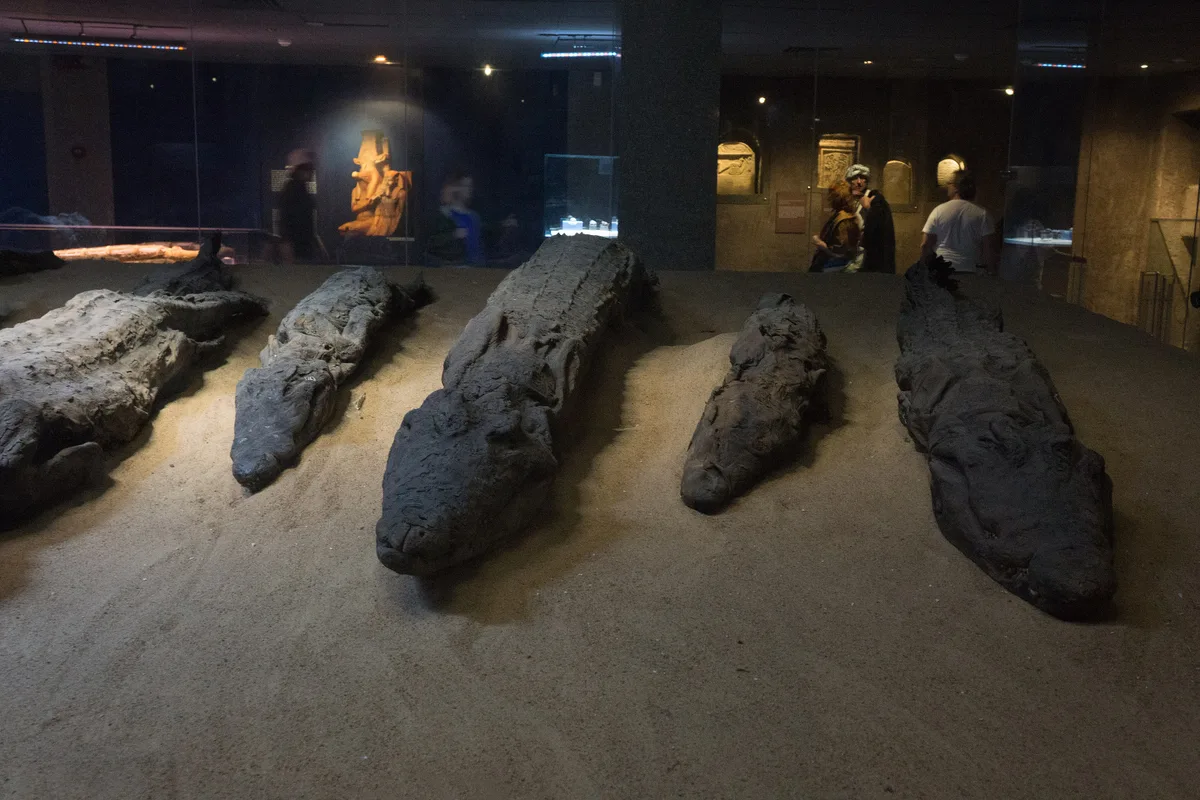
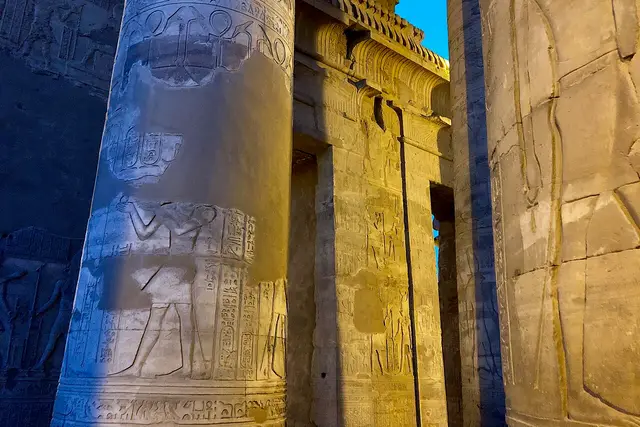
Kom Ombo is famous for its unique double temple, dedicated side by side to the crocodile god Sobek and the falcon god Haroeris, perched on a bend of the Nile between Edfu and Aswan. Most travellers see it as a graceful riverside stop rather than a destination in itself, pairing the temple's Ptolemaic reliefs with its small Crocodile Museum.
Top-rated things to do in Kom Ombo
Booking links are affiliate links — booking through them supports our free guides at no extra cost to you.
Where to stay in Kom Ombo
Compare Kom Ombo hotels and stays at the lowest price — deals, ratings, and real traveler reviews.
Search hotels in Kom Ombo →Booking links are affiliate links — booking through them supports our free guides at no extra cost to you.
Plan your trip to Kom Ombo
Egypt eSIM & staying connected →
Some links above are affiliate links — if you book through them, Wander Atlas earns a small commission at no extra cost to you. It's how we keep every guide free.
When to visit Egypt: month-by-month weather, crowds and holidays →
Frequently asked questions about Kom Ombo
How do I get to Kom Ombo?
Kom Ombo has its own station on the Aswan-Luxor railway line, and sits around 45 to 50 km north of Aswan International Airport (ASW), the nearest air gateway. Most visitors arrive by Nile cruise boat, as a day trip by road or train from Aswan, or as a stop on the longer road route between Luxor and Aswan.
How many days should I spend in Kom Ombo?
Half a day is enough to cover the temple grounds and the Crocodile Museum, which is why most travellers treat Kom Ombo as a stopover rather than an overnight stay.
What is Kom Ombo known for?
Kom Ombo is famous for its unique double temple, dedicated side by side to the crocodile god Sobek and the falcon god Haroeris, perched on a bend of the Nile between Edfu and Aswan. Most travellers see it as a graceful riverside stop rather than a destination in itself, pairing the temple's Ptolemaic reliefs with its small Crocodile Museum.