Sobek’s Own Collection
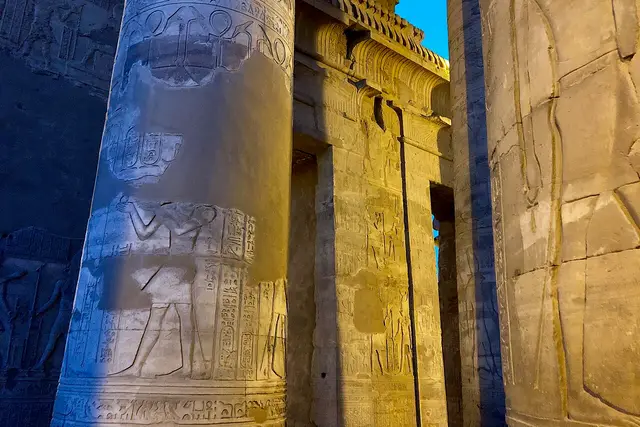
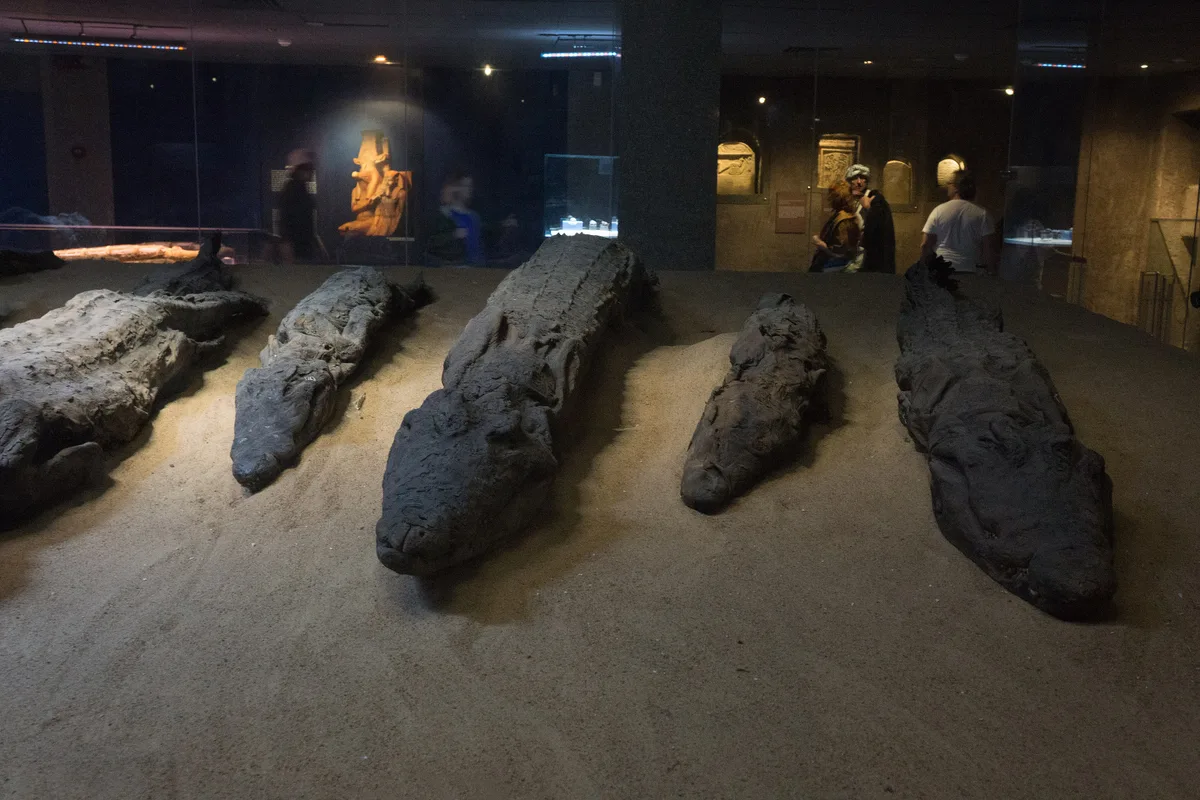
The crocodiles here were once worshipped. The Temple of Kom Ombo next door is a double temple: one half belongs to Sobek, the crocodile-headed god, and the other to Haroeris, a form of Horus. Crocodiles kept for Sobek were mummified and buried in a cemetery nearby. This small museum shows them.
Inside you get one low-lit room lined with glass cases. Expect:
- Mummified crocodiles of different sizes, some still in their linen wrappings
- Crocodile eggs, and small embalmed hatchlings
- Clay coffins that held the animals
- A statue and other images of Sobek
It’s a compact display, and that’s the point. You walk out understanding why the temple’s reliefs keep showing a crocodile head.
Finding It at the Temple
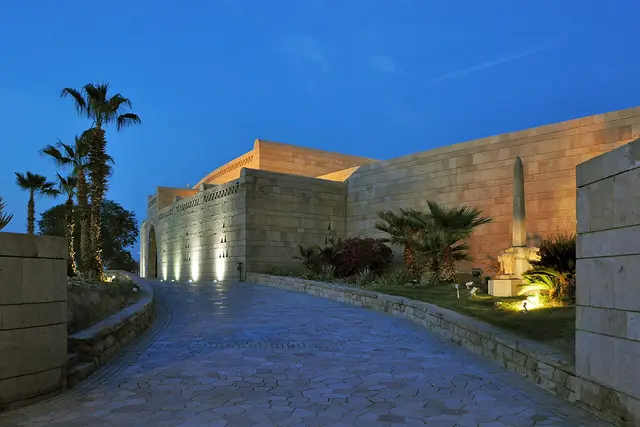
The museum is part of the Kom Ombo temple site, at the address listed as Nagoa Ash Shatb, Draw, Aswan Governorate. The building stands at the edge of the temple grounds, so most visitors walk straight over after the sanctuaries.
Most people come one of three ways:
- Nile cruise: nearly every Luxor–Aswan cruise moors at the Kom Ombo landing, a short walk from the gate.
- Road from Aswan: about 45 km north, usually on a day trip that also takes in Edfu.
- Kom Ombo town: a short taxi or tuk-tuk ride from the town centre and the railway station.
At the moment Google lists the museum as open 7am–9pm every day of the week. Hours at Egyptian antiquities sites change with the season and on holidays, so check the official antiquities website or ask at the temple ticket office before you plan a late visit.

Timing Around the Cruise Boats
Crowds here depend on the boats. Most cruise groups arrive in the late afternoon and evening, when the temple is floodlit. Weekends are the worst: avoid 4pm–9pm, when tour groups fill the narrow room and the queue backs up at the cases.
On weekdays it’s calmest between 9am and 11am, and again between 1pm and 2pm. On weekends your best window is 2pm–3pm. Midday in Upper Egypt is fiercely hot, but the dim room is a welcome break from the open temple courts.
The museum gets far less attention than the temple, and on a quiet morning you may have the crocodiles nearly to yourself. Plan on 20–40 minutes inside, and about an hour more for the temple.
Moving Through the Room
The museum has a few habits of its own, and knowing them saves time.
- Tickets: buy at the main temple ticket office, not at the museum door. Ask there whether your ticket covers the museum. Prices are posted at the office and on the official antiquities website.
- Order: see the temple first. Sobek’s reliefs and the Nilometer make the mummies far more interesting afterwards.
- Pace: when a group arrives, step to the side cases and wait. Groups move through in a few minutes.
- Photos: rules can change, so check the sign at the entrance or ask the guard before you raise your camera.
- Guides: temple guides often keep their commentary for outside. If you want the crocodile story, ask them before you go in.
After the museum, walk down to the river terrace below the temple. It looks over the stretch of Nile where these animals once lived.
Frequently asked questions
Where is the Crocodile Museum in Kom Ombo?
It is on the grounds of the Temple of Kom Ombo, on the Nile's east bank about 45 km north of Aswan. Cruise boats moor a short walk from the temple gate.
When is the quietest time to visit?
On weekdays it's quietest between 9am and 11am and between 1pm and 2pm. On weekends, go between 2pm and 3pm and avoid 4pm–9pm, the busiest stretch.
How long do I need?
Plan on 20–40 minutes for the museum. Add about an hour if you're also visiting the Temple of Kom Ombo, which most people do.
What will I see inside?
Mummified crocodiles in glass cases, crocodile eggs and embalmed hatchlings, clay coffins, and images of the crocodile god Sobek, all in one dim room.
What is the museum open?
Google currently lists it as open 7am–9pm every day of the week. Hours at Egyptian sites shift with the season and on holidays, so confirm with the official antiquities website or at the temple ticket office.
Plan your trip to Kom Ombo
Egypt eSIM & staying connected →
Some links above are affiliate links — if you book through them, Wander Atlas earns a small commission at no extra cost to you. It's how we keep every guide free.