South Korea · Region
Paju
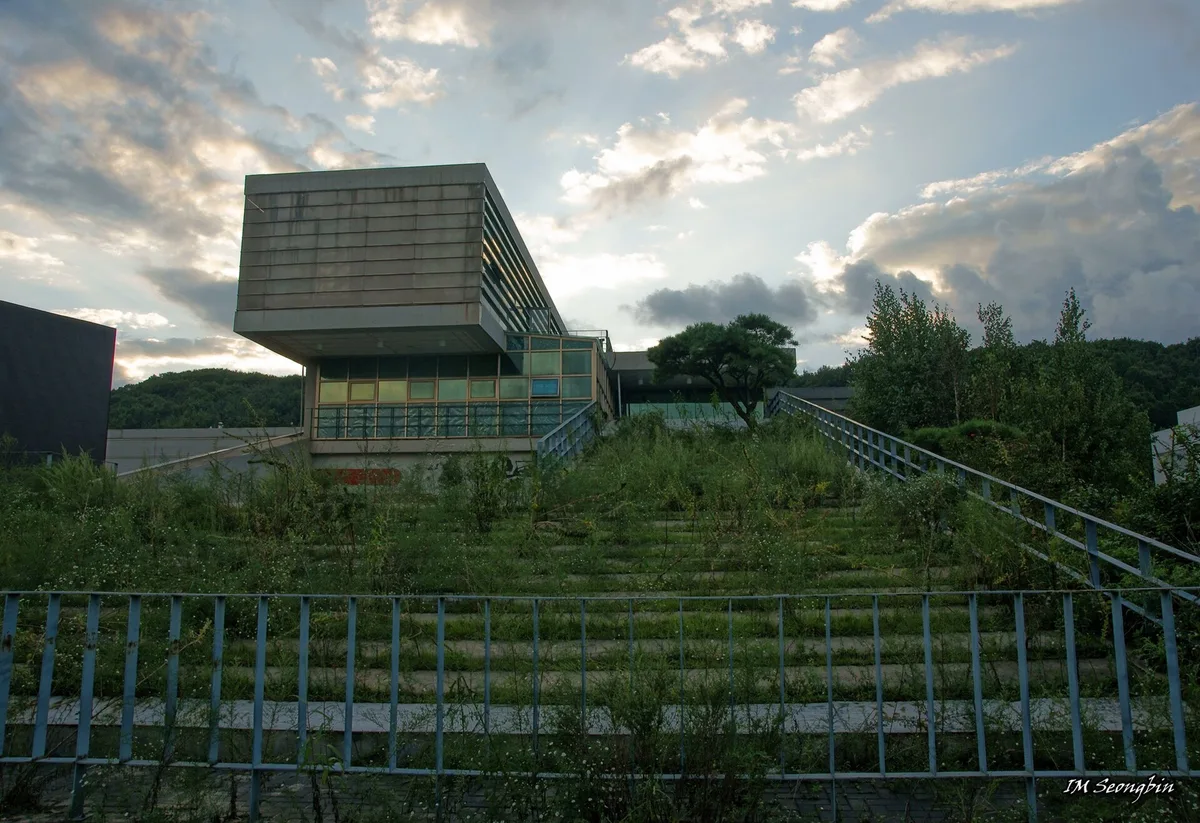
Photo: Flickr user Seongbin Im / Wikimedia Commons (CC BY-SA 2.0)
Paju sits at South Korea's northern edge, where publishing-house libraries and artist studios in Heyri Art Village sit only a short drive from the tense, fenced-off Demilitarized Zone. It's a city of striking contrasts — quiet riverside parks and war memorials like Imjingak alongside outlet malls and book-town cafés.
Top attractions
 attraction
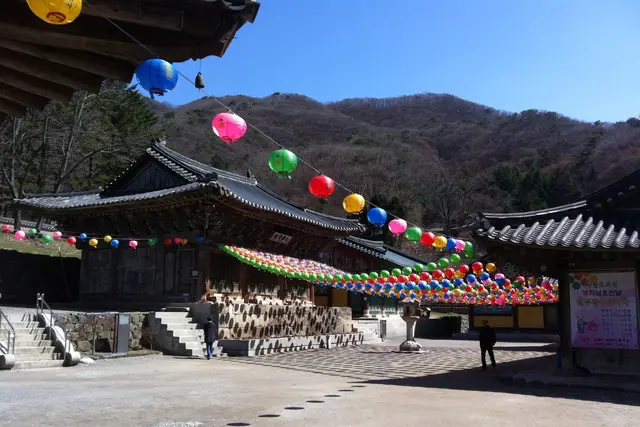
 Bogwangsa: Paju Travel Guide (4.5★)
Bogwangsa is a working Buddhist temple in Gwangtan-myeon, Paju, tucked against the forested slopes of Mount Bobawsan north of Seoul. 4.5★ (1,458 reviews) — what visitors say, hours, and tips.
 attraction
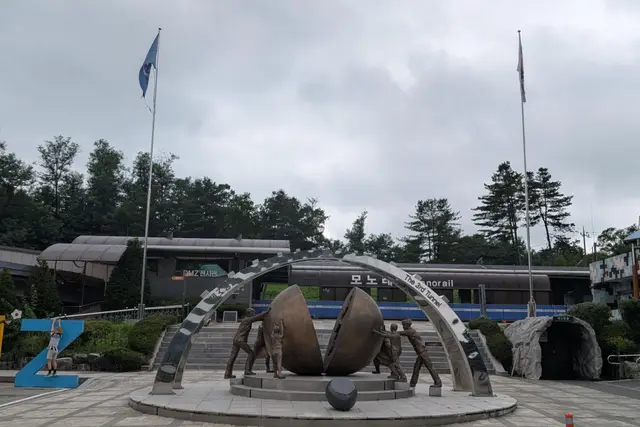
 The Third Tunnel: Paju Travel Guide
The Third Tunnel is a North Korean-dug infiltration tunnel inside the DMZ near Paju, best visited as part of a guided half-day or full-day DMZ tour from Seoul (individual entry is restricted).
Top-rated things to do in Paju
Booking links are affiliate links — booking through them supports our free guides at no extra cost to you.
Where to stay in Paju
Compare Paju hotels and stays at the lowest price — deals, ratings, and real traveler reviews.
Search hotels in Paju →Booking links are affiliate links — booking through them supports our free guides at no extra cost to you.
Plan your trip to Paju
South Korea eSIM & staying connected →
Some links above are affiliate links — if you book through them, Wander Atlas earns a small commission at no extra cost to you. It's how we keep every guide free.
When to visit South Korea: month-by-month weather, crowds and holidays →
Frequently asked questions about Paju
How do I get to Paju?
Paju has no airport of its own, so travelers arrive via Incheon International Airport (ICN) or Seoul, then reach Paju's stations — including Munsan, Geumchon, and Paju — on the Gyeongui Line commuter rail; from there, local buses or taxis cover the final stretch to specific sights like Heyri or Imjingak.
How many days should I spend in Paju?
Plan on ~1-2 days to cover Paju's main sights — enough time for a DMZ-area tour plus a wander through Book City or Heyri Art Village.
What is Paju known for?
Paju sits at South Korea's northern edge, where publishing-house libraries and artist studios in Heyri Art Village sit only a short drive from the tense, fenced-off Demilitarized Zone. It's a city of striking contrasts — quiet riverside parks and war memorials like Imjingak alongside outlet malls and book-town cafés.