Vietnam · Region
Phong Nha
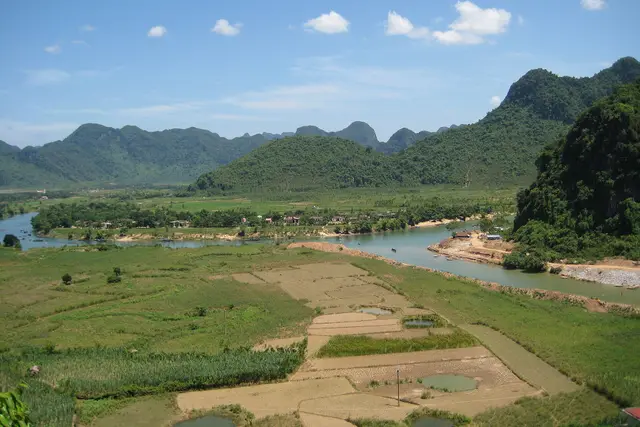
Phong Nha sits at the heart of Phong Nha-Ke Bang National Park, a UNESCO World Heritage Site riddled with karst mountains and over 300 caves, including Son Doong, widely cited as the world's largest cave passage. Beyond its record-breaking caverns, the area offers boat trips along the Son River, jungle treks, and access to some of the oldest karst landscapes in Asia, dating back roughly 400 million years.
Top attractions
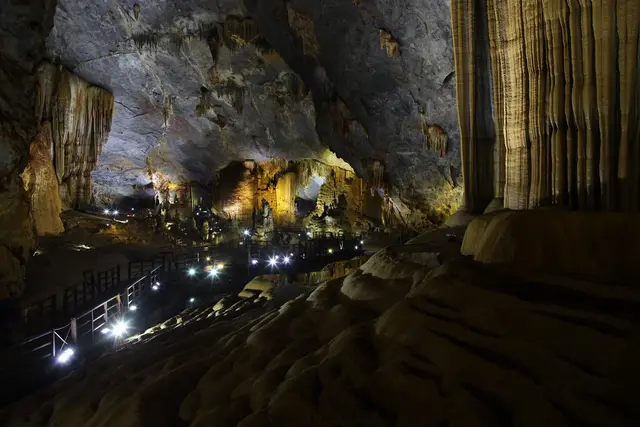 attraction
 Paradise Cave: Phong Nha Travel Guide (4.7★)
Paradise Cave (Động Thiên Đường) sits at Km 16 on the Ho Chi Minh Road's western branch in Phong Nha, inside Phong Nha-Ke Bang National Park. 4.7★ (7,767 reviews) — what visitors say, hours, and tips.
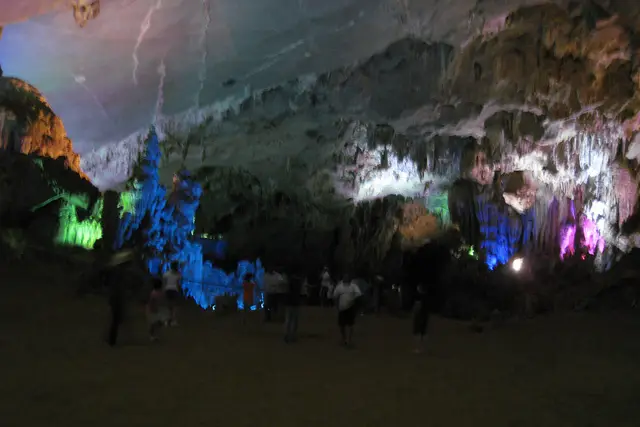 attraction
 Phong Nha Cave: Travel Guide (4.7★)
Phong Nha Cave is the show cave inside Phong Nha-Ke Bang National Park, reached by a short boat ride up the Son River from Phong Nha town. 4.7★ (2,804 reviews) — what visitors say, hours, and tips.
Top-rated things to do in Phong Nha
Live prices from Klook. Booking through these links supports our free guides at no extra cost to you.
Where to stay in Phong Nha
Compare Phong Nha hotels and stays at the lowest price — deals, ratings, and real traveler reviews.
Search hotels in Phong Nha →Booking links are affiliate links — booking through them supports our free guides at no extra cost to you.
Plan your trip to Phong Nha
Some links above are affiliate links — if you book through them, Wander Atlas earns a small commission at no extra cost to you. It's how we keep every guide free.
When to visit Vietnam: month-by-month weather, crowds and holidays →
Frequently asked questions about Phong Nha
How do I get to Phong Nha?
Phong Nha has no airport or train station of its own, so travellers fly into or take the Reunification Express train to Dong Hoi (VDH airport / Dong Hoi Railway Station), then continue ~45km by taxi, private transfer, or local bus to reach Phong Nha itself. This last leg typically takes ~45–90 minutes depending on the transport chosen.
How many days should I spend in Phong Nha?
Most visitors spend ~2-3 days in Phong Nha to cover the accessible show caves, a river boat trip, and at least one trek or motorbike loop through the national park, with longer multi-day expedition permits required for deeper caves like Son Doong.
What is Phong Nha known for?
Phong Nha sits at the heart of Phong Nha-Ke Bang National Park, a UNESCO World Heritage Site riddled with karst mountains and over 300 caves, including Son Doong, widely cited as the world's largest cave passage. Beyond its record-breaking caverns, the area offers boat trips along the Son River, jungle treks, and access to some of the oldest karst landscapes in Asia, dating back roughly 400 million years.