
Peru · Region
Pisac
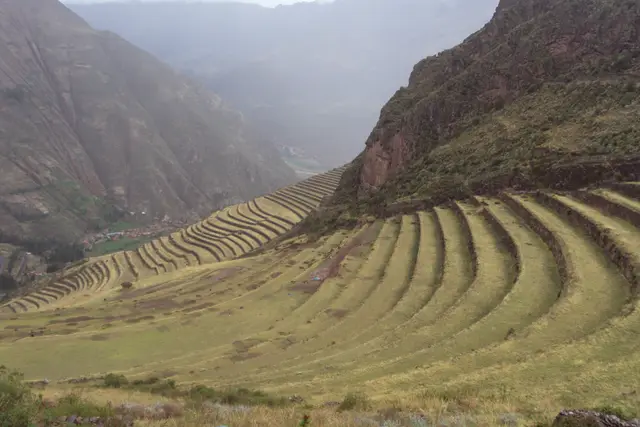
Pisac sits where the Sacred Valley opens below a ridge of Inca terraces, temples and watchtowers, with a hilltop citadel that locals and guides often compare to a smaller, quieter Machu Picchu. Below the ruins, the town itself draws visitors for one of the valley's best known markets, a long-running mix of handicrafts and produce stalls that fills the plaza and spills into side streets, especially on market days.
Top-rated things to do in Pisac
Booking links are affiliate links — booking through them supports our free guides at no extra cost to you.
Where to stay in Pisac
Compare Pisac hotels and stays at the lowest price — deals, ratings, and real traveler reviews.
Search hotels in Pisac →Booking links are affiliate links — booking through them supports our free guides at no extra cost to you.
Plan your trip to Pisac
Peru eSIM & staying connected →
Some links above are affiliate links — if you book through them, Wander Atlas earns a small commission at no extra cost to you. It's how we keep every guide free.
When to visit Peru: month-by-month weather, crowds and holidays →
Frequently asked questions about Pisac
How do I get to Pisac?
There is no airport or rail line directly serving Pisac: travellers fly into Cusco's Alejandro Velasco Astete International Airport (CUZ) and then continue overland, typically by shared colectivo, bus or taxi along the paved road into the Sacred Valley. The road journey from Cusco takes roughly 45 minutes to an hour, depending on traffic and the type of transport chosen.
How many days should I spend in Pisac?
Most travellers allow half a day to a full day for Pisac, enough time to explore the hilltop ruins and browse the market before continuing on through the Sacred Valley.
What is Pisac known for?
Pisac sits where the Sacred Valley opens below a ridge of Inca terraces, temples and watchtowers, with a hilltop citadel that locals and guides often compare to a smaller, quieter Machu Picchu. Below the ruins, the town itself draws visitors for one of the valley's best known markets, a long-running mix of handicrafts and produce stalls that fills the plaza and spills into side streets, especially on market days.