Mexico · Region
Puebla
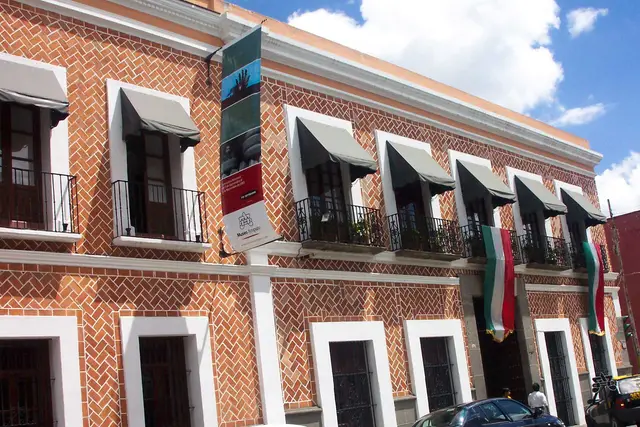
Puebla's historic centre is a UNESCO World Heritage Site, its skyline punctuated by baroque church domes clad in hand-painted Talavera tiles, a pottery tradition itself recognised by UNESCO as Intangible Cultural Heritage. Framed by the Popocatépetl and Iztaccíhuatl volcanoes, the city is also regarded as one of Mexico's culinary capitals, the birthplace of mole poblano.
Top-rated things to do in Puebla
Booking links are affiliate links — booking through them supports our free guides at no extra cost to you.
Where to stay in Puebla
Compare Puebla hotels and stays at the lowest price — deals, ratings, and real traveler reviews.
Search hotels in Puebla →Booking links are affiliate links — booking through them supports our free guides at no extra cost to you.
Plan your trip to Puebla
Some links above are affiliate links — if you book through them, Wander Atlas earns a small commission at no extra cost to you. It's how we keep every guide free.
When to visit Mexico: month-by-month weather, crowds and holidays →
Frequently asked questions about Puebla
How do I get to Puebla?
Puebla has its own international airport (PBC), but almost all travellers arrive via Mexico City, taking a direct bus from either the Mexico City airport, the TAPO terminal, or the Central del Norte to Puebla's CAPU bus station. The ride takes roughly 2 to 2.5 hours along the MEX-150D highway, which passes directly between the two volcanoes.
How many days should I spend in Puebla?
Allow ~2 to 3 days to cover the historic centre's churches, Talavera workshops and museums, with an extra day if adding a side trip to nearby Cholula.
What is Puebla known for?
Puebla's historic centre is a UNESCO World Heritage Site, its skyline punctuated by baroque church domes clad in hand-painted Talavera tiles, a pottery tradition itself recognised by UNESCO as Intangible Cultural Heritage. Framed by the Popocatépetl and Iztaccíhuatl volcanoes, the city is also regarded as one of Mexico's culinary capitals, the birthplace of mole poblano.