Vietnam · Region
Sapa
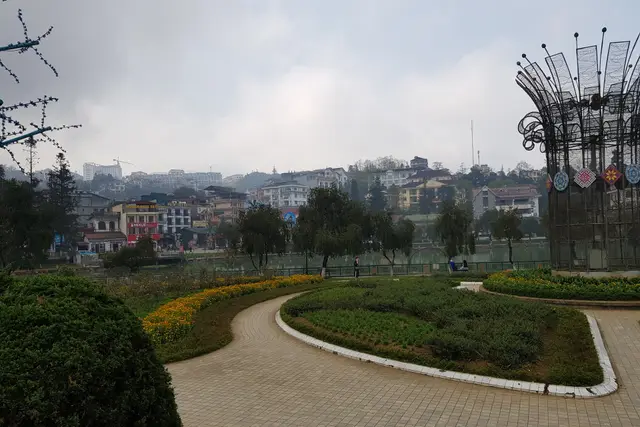
Sapa is a former French hill station tucked into Vietnam's northwest highlands, where terraced rice fields cascade down the slopes of Hoang Lien Son and Fansipan — the "Roof of Indochina" — rises above the clouds. The town's cool climate and patchwork of Hmong, Dao, and Tay villages make it one of the country's most striking bases for mountain trekking and cultural encounters.
Top-rated things to do in Sapa
Live prices from Klook. Booking through these links supports our free guides at no extra cost to you.
Where to stay in Sapa
Compare Sapa hotels and stays at the lowest price — deals, ratings, and real traveler reviews.
Search hotels in Sapa →Booking links are affiliate links — booking through them supports our free guides at no extra cost to you.
Plan your trip to Sapa
Some links above are affiliate links — if you book through them, Wander Atlas earns a small commission at no extra cost to you. It's how we keep every guide free.
When to visit Vietnam: month-by-month weather, crowds and holidays →
Frequently asked questions about Sapa
How do I get to Sapa?
Sapa has no airport or train station of its own, so most travelers fly into Noi Bai International Airport (HAN) in Hanoi and continue by overnight sleeper bus (~5-6 hours) directly to Sapa town, or take the train from Hanoi to Lao Cai — the end of the line — followed by a ~1-hour bus or taxi transfer up into the mountains.
How many days should I spend in Sapa?
Plan on ~3-4 days to allow for the journey up and back plus at least one full day of trekking through the rice terraces and ethnic minority villages surrounding town.
What is Sapa known for?
Sapa is a former French hill station tucked into Vietnam's northwest highlands, where terraced rice fields cascade down the slopes of Hoang Lien Son and Fansipan — the "Roof of Indochina" — rises above the clouds. The town's cool climate and patchwork of Hmong, Dao, and Tay villages make it one of the country's most striking bases for mountain trekking and cultural encounters.