Macau · Region
St. Lazarus Quarter
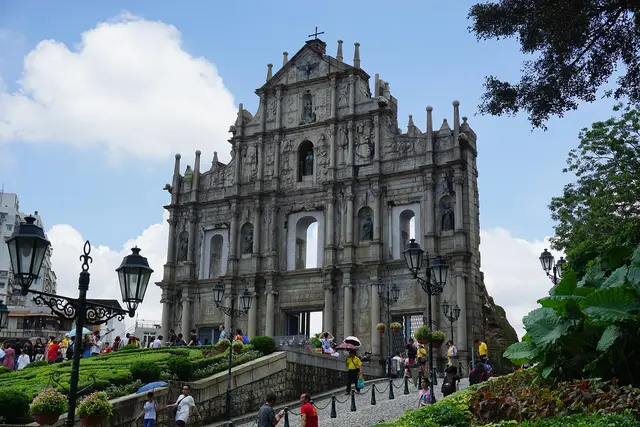
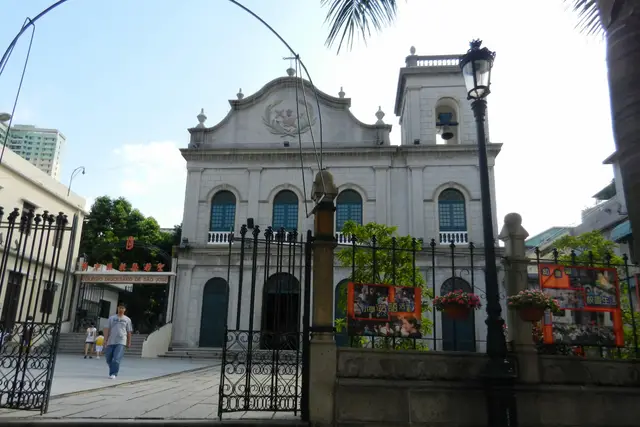
Tucked just northeast of the Ruins of St. Paul's, St. Lazarus Quarter is Macau's quietest historic parish: a tangle of cobbled "calçada" lanes lined with pastel colonial facades, converted into small galleries, studios and heritage buildings like the Albergue SCM. Far less crowded than Senado Square, it rewards slow wandering over quick sightseeing, with churches, courtyards and coffee shops tucked between restored Portuguese-era townhouses.
Top-rated things to do in St. Lazarus Quarter
Booking links are affiliate links — booking through them supports our free guides at no extra cost to you.
Where to stay in St. Lazarus Quarter
Compare St. Lazarus Quarter hotels and stays at the lowest price — deals, ratings, and real traveler reviews.
Search hotels in St. Lazarus Quarter →Booking links are affiliate links — booking through them supports our free guides at no extra cost to you.
Plan your trip to St. Lazarus Quarter
Macau eSIM & staying connected →
Some links above are affiliate links — if you book through them, Wander Atlas earns a small commission at no extra cost to you. It's how we keep every guide free.
When to visit Macau: month-by-month weather, crowds and holidays →
Frequently asked questions about St. Lazarus Quarter
How do I get to St. Lazarus Quarter?
Most travellers arrive via Macau International Airport (MFM) on Taipa Island, taking the Light Rapid Transit or a public bus into the Macau Peninsula, then walking the final stretch; St. Lazarus Quarter sits around ~10-15 minutes on foot from the Ruins of St. Paul's and Senado Square, with no direct transit stop of its own.
How many days should I spend in St. Lazarus Quarter?
Half a day (~3-4 hours) is enough to wander its lanes, pop into a gallery or two and see the main churches, making it an easy add-on to a day spent around the historic centre.
What is St. Lazarus Quarter known for?
Tucked just northeast of the Ruins of St. Paul's, St. Lazarus Quarter is Macau's quietest historic parish: a tangle of cobbled "calçada" lanes lined with pastel colonial facades, converted into small galleries, studios and heritage buildings like the Albergue SCM. Far less crowded than Senado Square, it rewards slow wandering over quick sightseeing, with churches, courtyards and coffee shops tucked between restored Portuguese-era townhouses.