Germany · Region
Stuttgart
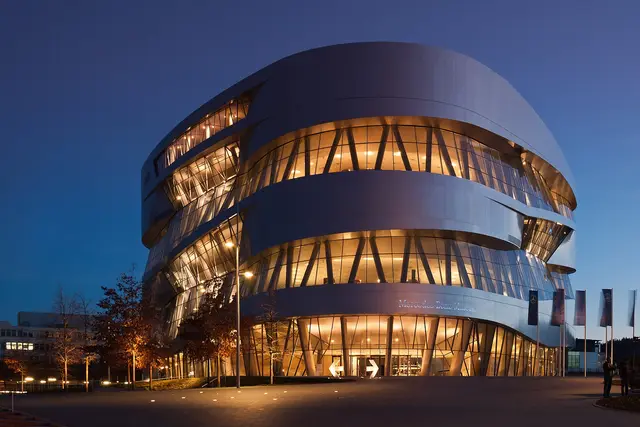
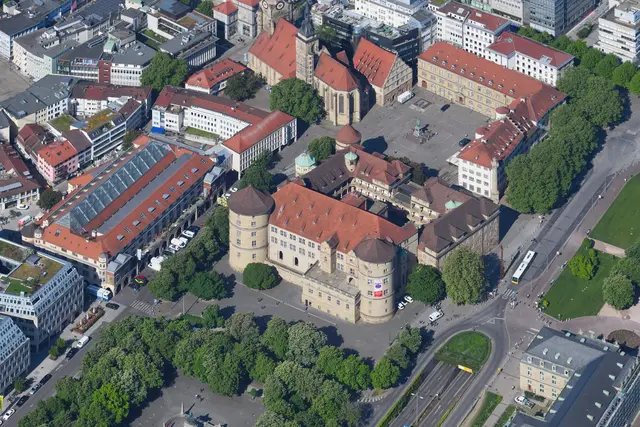
Stuttgart sits in a steep, vine-covered valley in southwestern Germany, a setting that gives the city its famous bowl-shaped skyline and its stacked blend of auto-industry headquarters, forested hillsides and vineyards right at the edge of downtown. As the home of Mercedes-Benz and Porsche, it pairs a serious engineering identity with a surprisingly green, walkable core built around grand 19th and 20th century public buildings.
Top-rated things to do in Stuttgart
Booking links are affiliate links — booking through them supports our free guides at no extra cost to you.
Where to stay in Stuttgart
Compare Stuttgart hotels and stays at the lowest price — deals, ratings, and real traveler reviews.
Search hotels in Stuttgart →Booking links are affiliate links — booking through them supports our free guides at no extra cost to you.
Plan your trip to Stuttgart
Some links above are affiliate links — if you book through them, Wander Atlas earns a small commission at no extra cost to you. It's how we keep every guide free.
When to visit Germany: month-by-month weather, crowds and holidays →
Frequently asked questions about Stuttgart
How do I get to Stuttgart?
Most travellers arrive via Stuttgart Airport (STR), which sits about 13km south of the centre; the S-Bahn lines S2 and S3 run directly from the airport to Stuttgart Hauptbahnhof in around 27 minutes. The Hauptbahnhof itself is the city's main rail hub, with regular long-distance and regional connections, though parts of the station are currently affected by the long-running "Stuttgart 21" rebuilding project, so allow a little extra time when transferring.
How many days should I spend in Stuttgart?
Plan on ~2-3 days to cover the city centre, the main museums and a hillside vineyard walk, with an extra day if you want to branch out to the surrounding Neckar valley towns.
What is Stuttgart known for?
Stuttgart sits in a steep, vine-covered valley in southwestern Germany, a setting that gives the city its famous bowl-shaped skyline and its stacked blend of auto-industry headquarters, forested hillsides and vineyards right at the edge of downtown. As the home of Mercedes-Benz and Porsche, it pairs a serious engineering identity with a surprisingly green, walkable core built around grand 19th and 20th century public buildings.