Spain · Region
Toledo
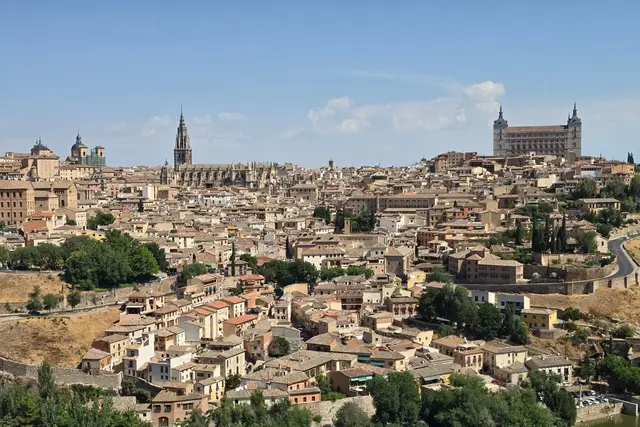
Perched on a rocky gorge above the Tagus River, Toledo's medieval streets preserve centuries of coexistence between Christian, Muslim, and Jewish culture, visible today in its churches, mosques, and synagogues alike. Once Spain's capital before the seat of power moved to Madrid, the city remains a dense open-air museum of Gothic, Mudéjar, and Renaissance architecture packed within its ancient walls.
Top attractions
 attraction
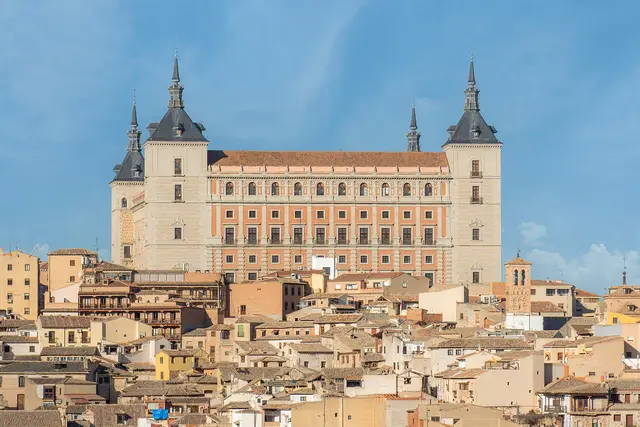
 Alcázar de Toledo: Travel Guide (4.6★)
The Alcázar de Toledo sits on the highest point of Toledo's old town, a squared granite fortress that now holds the Museo del Ejército (Army Museum). 4.6★ (39,757 reviews) — what visitors say, hours, and tips.
 attraction
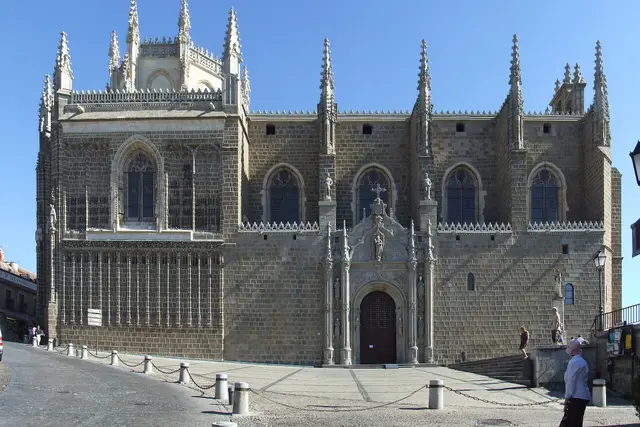
 Monasterio de San Juan de los Reyes: Toledo Travel Guide
San Juan de los Reyes is Toledo's Gothic-Flemish showpiece, built by Isabella and Ferdinand in the old Jewish quarter, famous for its two-tiered cloister and the chains hung on its facade. 4.7★ (9,423 reviews) — what visitors say, hours, and tips.
 attraction
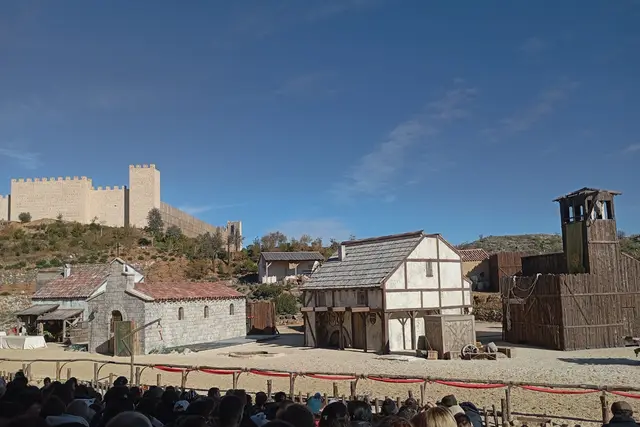
 Puy du Fou España: Toledo Travel Guide (4.5★)
Puy du Fou España is a historical theme park just outside Toledo, off the CM-40 at exit 13, built around big outdoor stage shows rather than rides. 4.5★ (34,678 reviews) — what visitors say, hours, and tips.
 attraction
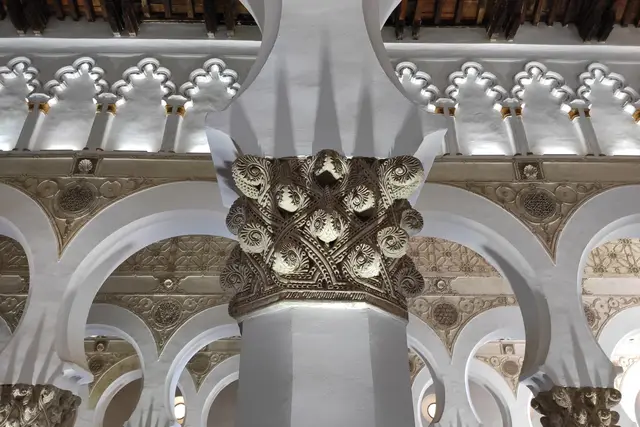
 Sinagoga de Santa María La Blanca: Toledo Travel Guide
Sinagoga de Santa María La Blanca sits on Calle de los Reyes Católicos in Toledo's old Jewish quarter, open daily 10am–6:45pm. 4.0★ (7,218 reviews) — what visitors say, hours, and tips.
Top-rated things to do in Toledo
Live prices from Klook. Booking through these links supports our free guides at no extra cost to you.
Where to stay in Toledo
Compare Toledo hotels and stays at the lowest price — deals, ratings, and real traveler reviews.
Search hotels in Toledo →Booking links are affiliate links — booking through them supports our free guides at no extra cost to you.
Plan your trip to Toledo
Some links above are affiliate links — if you book through them, Wander Atlas earns a small commission at no extra cost to you. It's how we keep every guide free.
When to visit Spain: month-by-month weather, crowds and holidays →
Frequently asked questions about Toledo
How do I get to Toledo?
Toledo has no airport of its own; travelers fly into Madrid–Barajas (MAD) and connect onward, most reliably via the AVE/Avant high-speed train from Madrid's Atocha station, a ride of ~30 minutes into Toledo's own historic station. Regional buses from Madrid's transport hubs also serve the city, taking around an hour, and Toledo's train station sits across the river from the old town, with a shuttle bus or a ~20-minute walk needed to reach the center.
How many days should I spend in Toledo?
A single day is enough to cover Toledo's compact old town and headline sights on a fast round trip from Madrid, but staying 2 days allows time to see the cathedral, synagogues, and viewpoints without rushing, plus experience the city's quieter evening atmosphere once the day-trippers leave.
What is Toledo known for?
Perched on a rocky gorge above the Tagus River, Toledo's medieval streets preserve centuries of coexistence between Christian, Muslim, and Jewish culture, visible today in its churches, mosques, and synagogues alike. Once Spain's capital before the seat of power moved to Madrid, the city remains a dense open-air museum of Gothic, Mudéjar, and Renaissance architecture packed within its ancient walls.