Spain · Region
Zaragoza
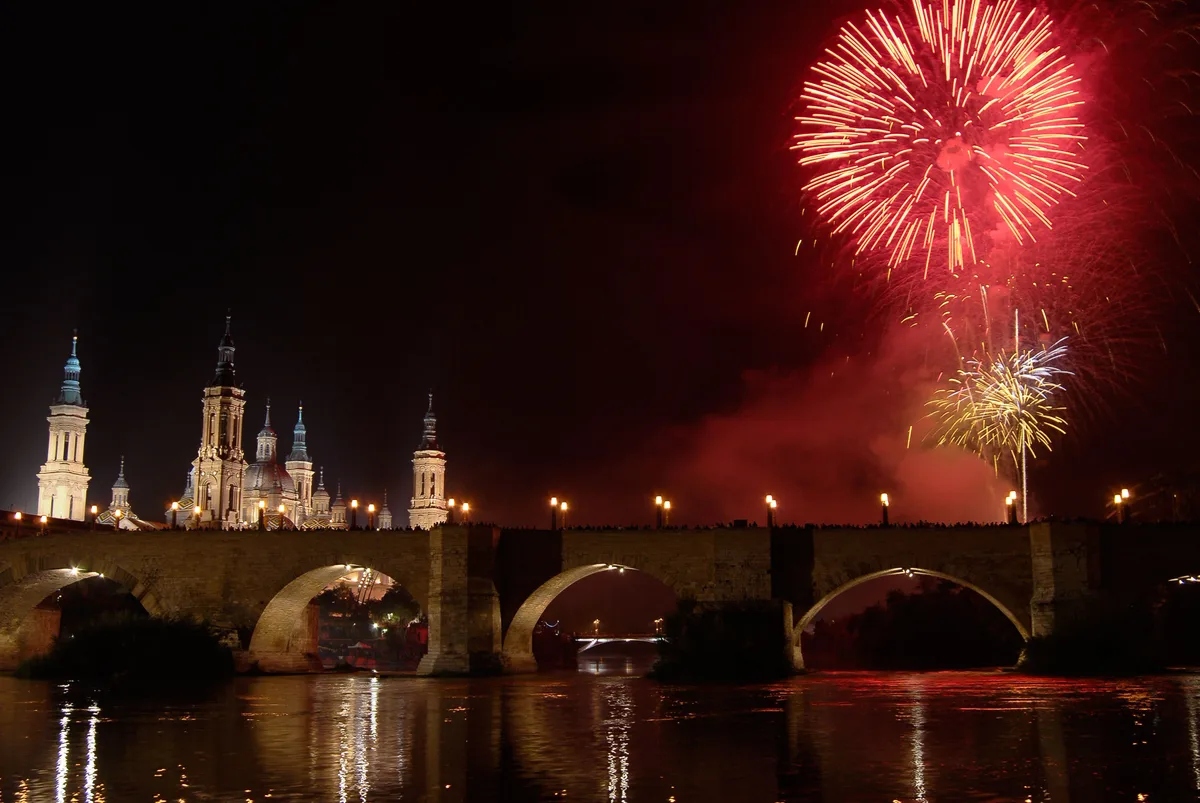
Zaragoza sits almost exactly halfway between Madrid and Barcelona on the banks of the Ebro, a city whose Mudejar towers, Roman ruins and the vast Basilica del Pilar are often overshadowed by its two famous neighbours. It rewards travellers who stop rather than pass through, offering a dense, walkable old town without the crowds of the coast or the capital.
Top-rated things to do in Zaragoza
Booking links are affiliate links — booking through them supports our free guides at no extra cost to you.
Where to stay in Zaragoza
Compare Zaragoza hotels and stays at the lowest price — deals, ratings, and real traveler reviews.
Search hotels in Zaragoza →Booking links are affiliate links — booking through them supports our free guides at no extra cost to you.
Plan your trip to Zaragoza
Spain eSIM & staying connected →
Some links above are affiliate links — if you book through them, Wander Atlas earns a small commission at no extra cost to you. It's how we keep every guide free.
When to visit Spain: month-by-month weather, crowds and holidays →
Frequently asked questions about Zaragoza
How do I get to Zaragoza?
Most visitors arrive by train at Zaragoza-Delicias, a stop on the Madrid-Barcelona high-speed AVE line, with journeys of around 1h15 from Madrid and around 1h30 from Barcelona. Zaragoza does have its own airport (ZAZ) about 16km from the centre, but it handles relatively few scheduled passenger flights, so flying into Madrid or Barcelona and continuing by train is usually the more reliable route.
How many days should I spend in Zaragoza?
~1-2 days is enough to cover the Basilica del Pilar, the Aljafería palace and the compact historic centre on foot.
What is Zaragoza known for?
Zaragoza sits almost exactly halfway between Madrid and Barcelona on the banks of the Ebro, a city whose Mudejar towers, Roman ruins and the vast Basilica del Pilar are often overshadowed by its two famous neighbours. It rewards travellers who stop rather than pass through, offering a dense, walkable old town without the crowds of the coast or the capital.