Ramparts built for cannon, now open to visitors
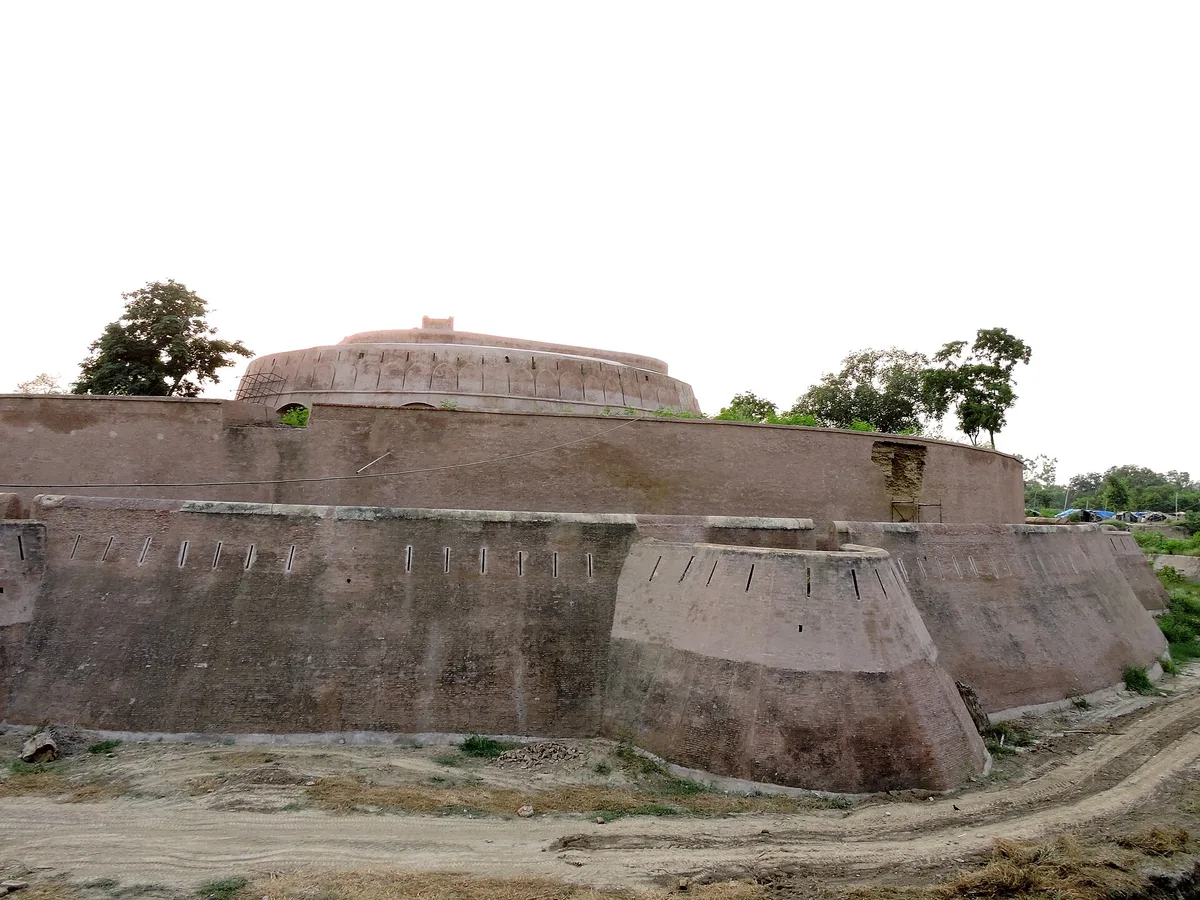
Thick, low walls of narrow Punjabi brick surround a ring of bastions. These were designed to absorb artillery fire, not to impress anyone. The Bhangi Misl built the fort in the 18th century, and Maharaja Ranjit Singh took it over and strengthened it in the early 1800s. After the Anglo-Sikh wars the British garrisoned it, and the army held it long after Independence.
Today the gates are open. Inside you’ll find:
- A war museum on the region’s military past, including the Sikh Empire and the Anglo-Sikh wars
- The Toshakhana, Ranjit Singh’s treasury building
- Folk performances in the open courtyards
- Punjabi food carts lined up near the stalls
Plan on two to three hours. Stay longer if you want to catch an evening show.
Getting to Old Cantt Road
The fort is on Old Cantt Road at Vijay Chowk, close to Lohgarh Chowk on the western side of the old city. From the Golden Temple, an e-rickshaw or auto-rickshaw gets you here in a few minutes through traffic. Agree the fare before you get in, or book a ride-hailing app.
Amritsar Junction railway station is also close. That makes the fort an easy first or last stop if you’re arriving by train.
Timing the crowds
Most visitors come for the evening. On weekends that’s when it goes wrong: try not to arrive between 1pm and 2pm, or anytime from 5pm to 10pm, when the courtyards and food carts are at their busiest. The weekend’s quiet window is narrow, 10am–11am.
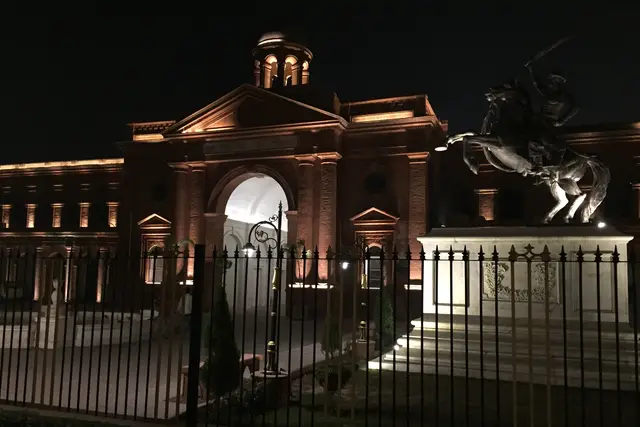
Weekdays are kinder. From 10am to 12pm you’ll have the museum mostly to yourself. Between 9pm and 10pm the floodlit walls are lit up and the crowds have thinned.
At the moment it opens 10am–10pm. Hours at heritage sites shift with the season and around holidays, so check the official site before you go.
Working the fort like a regular
- Tickets: current prices for entry and for each show are posted at the ticket counter by the gate and on the official site. Ask which shows are included before you pay.
- Paying: UPI is accepted almost everywhere in Punjab. Still, keep small notes for the food carts, since some prefer cash.
- Eating: treat the carts as dinner. Look for Amritsari kulcha with chole, a glass of lassi, and jalebi if it’s being fried.
- Show seats: for evening performances, join the queue early. On weekends the courtyard seating fills well before start time.
- Footwear: you’ll cross uneven brick paths and old ramparts, so wear closed shoes. Sandals from the Golden Temple will make it hard going.
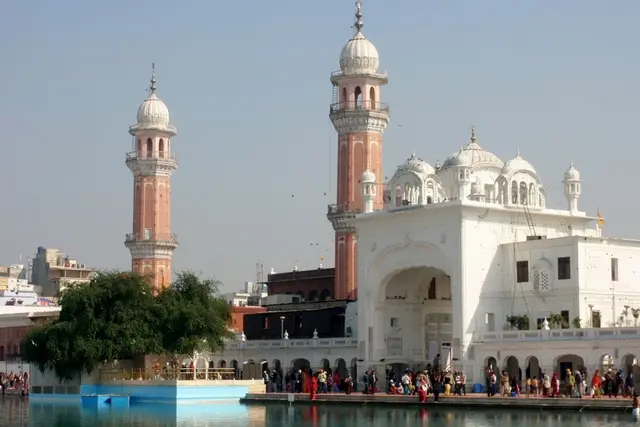
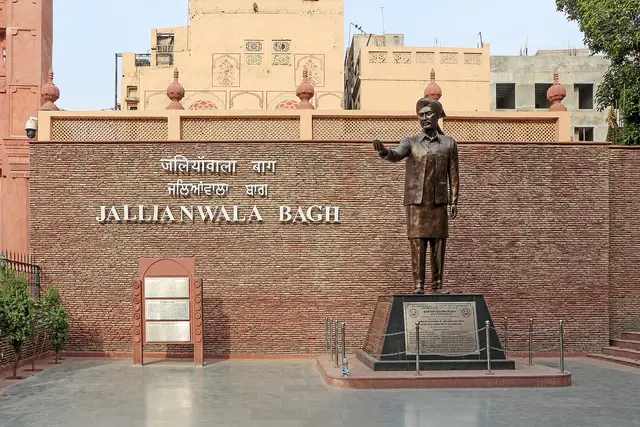
Pairing it: the Wagah–Attari border ceremony runs in the late afternoon, so the fort fits a weekday morning before you leave. Another option is the Golden Temple at dawn, Jallianwala Bagh and the Partition Museum at Town Hall by midday, then the fort for its 9pm quiet window.
Frequently asked questions
When is the quietest time to visit Gobindgarh Fort?
On weekdays it's quietest from 10am to 12pm and from 9pm to 10pm. On weekends only 10am–11am is quiet. Avoid 1pm–2pm and 5pm–10pm on weekends, which are the busiest times.
How do I get to Gobindgarh Fort from the Golden Temple?
Take an e-rickshaw or auto-rickshaw to Old Cantt Road near Vijay Chowk and Lohgarh Chowk, a few minutes' ride across the old city. Agree the fare first, or use a ride-hailing app.
How long should I spend at Gobindgarh Fort?
Plan on two to three hours for the war museum, the Toshakhana and the ramparts. Allow longer if you're staying for an evening performance and dinner at the food carts.
What are the opening hours?
At the moment it opens 10am–10pm. Hours can change with the season and on holidays, so check the official site before you visit.
Can I combine it with the Wagah border ceremony?
Yes. The ceremony runs in the late afternoon, so visit the fort in the quiet 10am–12pm weekday window, then head out to the border.
Plan your trip to Amritsar
India eSIM & staying connected →
Some links above are affiliate links — if you book through them, Wander Atlas earns a small commission at no extra cost to you. It's how we keep every guide free.