Fifty years, one finish line
This is the race the whole Philippine running calendar builds towards. The Milo Marathon runs as a 15-leg series across the country, with qualifying races in cities from Luzon to Mindanao. The National Finals bring that season to one road in Clark, Pampanga, on December 6, 2026.
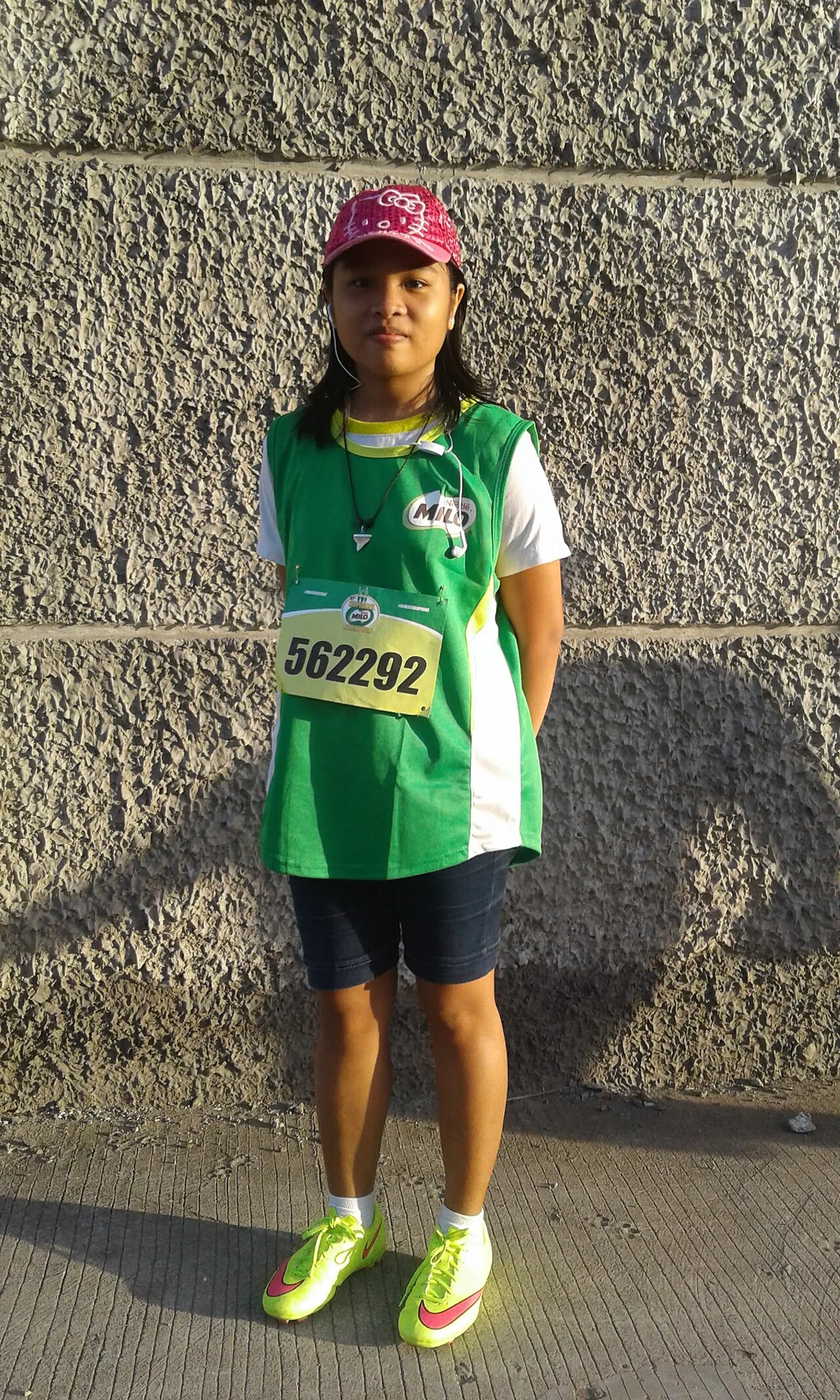
The 2026 edition carries extra weight because it marks the race’s 50th anniversary. For many Filipino runners the Milo is the first race they ever entered, often as a schoolchild in a free event shirt. The finals are where club runners, school teams and the country’s fastest marathoners all end up on the same start line.
Where Clark sits, and why it suits a marathon
Clark is a former US air base. It now operates as a freeport zone straddling Angeles City and Mabalacat. The base layout still shapes the place:
- Wide, straight avenues built for military traffic
- Long stretches of grass and acacia trees between the buildings
- Far less jeepney and tricycle congestion than central Angeles
That makes it one of the few places in Central Luzon where organisers can close long loops of road without choking a city centre. To the west the land climbs towards the Zambales mountains and Mount Pinatubo. On a clear December morning those ridges sit on the horizon behind the course.
Getting to Clark for race day
Most runners come up from Metro Manila. Clark lies roughly 80–90km north along the North Luzon Expressway (NLEX). Out of peak traffic, the drive usually takes around two hours.
Your options:
- Bus: Provincial lines run from Manila terminals to the Dau terminal in Mabalacat, right beside Clark’s main gate. Point-to-point coaches also run to Clark itself.
- Air: Clark International Airport (CRK) is inside the freeport and has domestic links. Runners flying in from the Visayas or Mindanao often land here rather than in Manila.
- Car: Drivers take NLEX and leave at the Angeles or Dau exits.
Inside the zone, people get around mostly by taxi, ride-hailing and hotel shuttles.
Race-morning routine in Clark
Philippine road races usually start in the dark to beat the heat. A Milo morning follows that pattern. Out-of-town runners typically stay the night before in Clark or Angeles rather than making a pre-dawn drive from Manila. The freeport hotels and the Friendship Highway corridor are the usual bases.
Some habits worth copying from the regulars:
- Collect the race kit in advance. Runners normally pick up their bib and timing chip before race day. They don’t expect to sort it out at the start.
- Treat the hydration stations properly. Volunteers hold out cups of water and, fittingly, Milo. The custom is to drop empty cups near the station bins, not mid-road where the next runner lands on them.
- Cheer the kids. The shorter categories draw school teams in matching shirts. Spectators along the route clap for them as loudly as for the elite field.
- Carry small cash for after. Taho vendors and carinderias near the venue are often cash-only. GCash is common, but not universal.
Families usually bring folding chairs and stake out a spot near the finish chute. The elite marathoners come in first, and the rush of club runners follows.
Eating and recovering in Angeles City
Angeles is where sisig was born. The sizzling plate of chopped, crisped pork face and ears with calamansi and chili is the post-race meal most visitors go looking for. The old town around the Holy Rosary Parish Church and Santo Rosario Street is the traditional side of the city. It also has some of the oldest Spanish-era houses in Pampanga.
Pampanga as a whole is known as the Philippines’ culinary province. Kapampangan cooking means tocino, longganisa and heavily braised stews, which suit tired legs. Fields Avenue, on the edge of Clark, is the city’s nightlife strip. Most runners save it for the evening, once the medal is safely round their neck.
December in Central Luzon
Early December falls in the dry season. The early mornings are among the coolest of the year on the plains of Pampanga. The heat still builds quickly once the sun is up, which is why the start times sit so early.
The month also brings Christmas to Pampanga in a big way. San Fernando, the provincial capital just south of Angeles, is known as the Christmas Capital of the Philippines. Its parol (lantern) makers sell glowing star lanterns from roadside stalls through the season. Plenty of visitors turn the finals into a long weekend of running, eating and lantern shopping.
Frequently asked questions
When and where is the Milo Marathon National Finals 2026?
It takes place on December 6, 2026, in Clark, Pampanga. That is the freeport zone on the former US air base next to Angeles City. It is the final race of a 15-leg nationwide series and marks the Milo Marathon's 50th anniversary.
Do I need a ticket to watch?
No. The race is held on open roads, so spectators simply line the course or gather near the finish. Only runners need to register, and the Milo Marathon's official channels carry the categories and entry details.
How do I get to Clark from Manila?
Clark is roughly 80–90km north of Metro Manila via the North Luzon Expressway, usually around two hours by road outside peak traffic. Provincial buses run to the Dau terminal beside Clark's main gate, and point-to-point coaches run to Clark itself. Clark International Airport also has domestic flights.
Where do runners usually stay?
Most out-of-town runners stay the night before in Clark or Angeles City, so they avoid a pre-dawn drive on race morning. Hotels inside the freeport and along the Friendship Highway area are the usual bases.
What else is there to do nearby after the race?
Angeles City is the home of sisig, and the old town around the Holy Rosary Parish Church keeps Spanish-era houses. In December, San Fernando, just south of Angeles, is full of roadside stalls selling its famous parol Christmas lanterns.
Plan your trip to Angeles City
Philippines eSIM & staying connected →
Some links above are affiliate links — if you book through them, Wander Atlas earns a small commission at no extra cost to you. It's how we keep every guide free.