A plaza full of saints
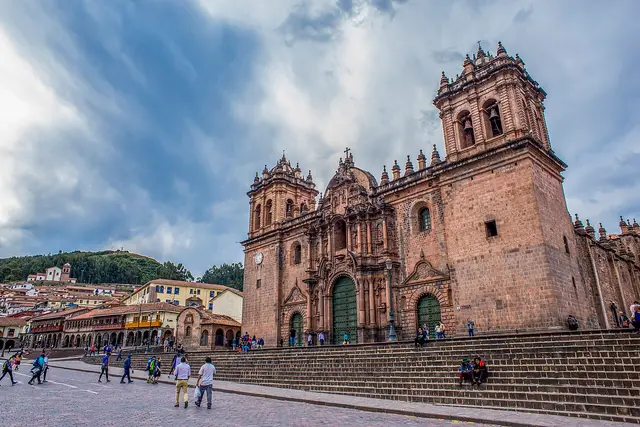
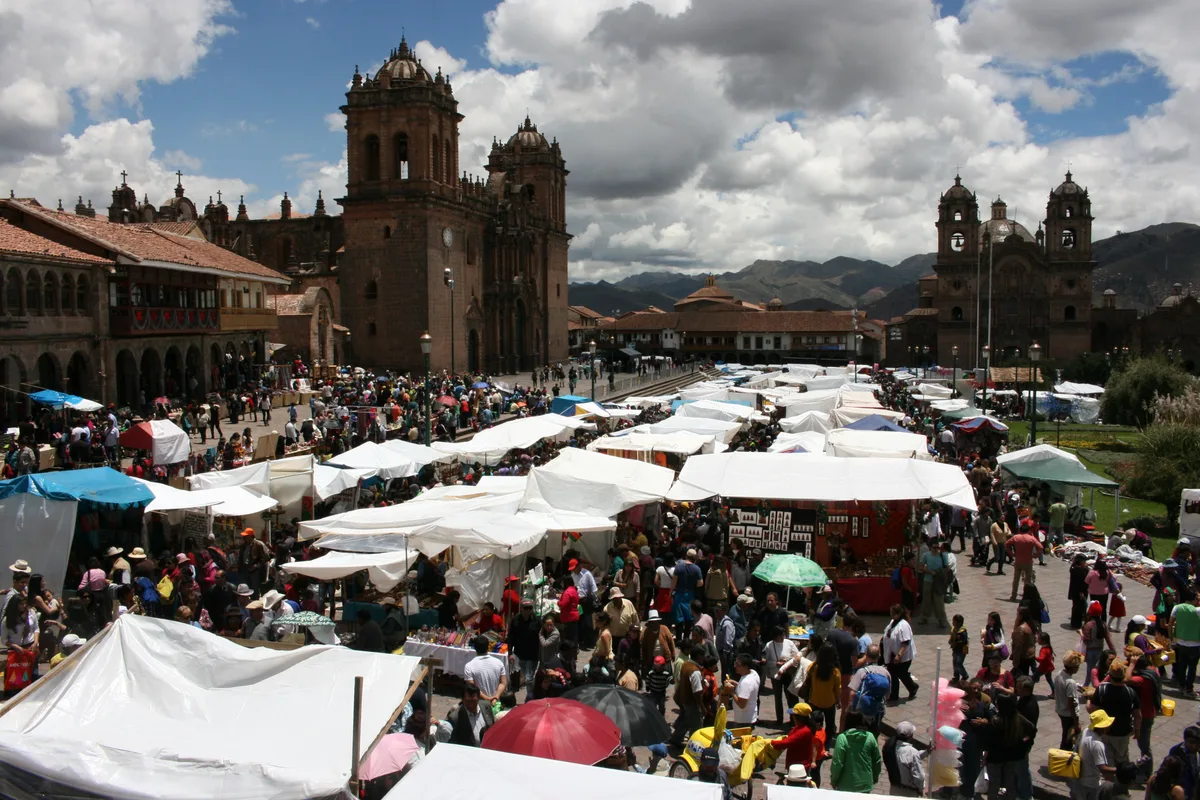
For three days in December, Cusco’s main square turns into a market. Stalls with plastic sheeting overhead fill the Plaza de Armas. The Cathedral and the Church of La Compañía de Jesús stand over them, and the stone arcades around the edges become part of the walkway.
The name is Quechua and roughly means “the sale of saints.” That’s still what you’ll find on the tables. Santurantikuy is Cusco’s oldest and largest Christmas artisan fair. Its roots go back to the colonial period, when families came to the square to buy figures for their household nativity scenes.
What fills the tables
Most of it is made for a Christmas scene, not as a souvenir. Families still build elaborate nacimientos at home, and a lot of what they need comes from this square.
What you usually find:
- Niño Manuelito figures: the Andean Christ Child, often with glass eyes and painted cheeks, sold in every size from palm-sized to almost life-size
- Retablos: hinged wooden boxes that open onto crowded little painted scenes
- Ceramic and plaster figures: shepherds, kings, llamas and alpacas side by side
- Clothes for the Niño: embroidered outfits, little hats and chairs
- Natural decorations: moss, dried grasses and hanging plants for dressing a nativity scene
- Textiles and general crafts for visitors who want something that isn’t religious
The long-necked figures you’ll see are a Cusco style tied to the San Blas artisan quarter just uphill. The best of them are worth a slow look.
Dates, tickets and how the days build
The 2026 fair runs from December 22 to 24. Christmas Eve is the main day, when the square is at its fullest and many artisans bring their best pieces. The 22nd and 23rd are usually looser, with more space to stop at a table and talk.
There’s no gate. The fair takes place in a public square, and earlier editions have been free to walk through with no tickets. The Municipality of Cusco runs the square, so official notices about the fair come from the city.
On the night of the 24th, many people go on to the Misa de Gallo, the midnight Christmas mass. The Cathedral faces the same plaza.

Moving through the Christmas Eve crush
The 24th is when Cusqueños do their real shopping, and they buy fast. Many locals walk the whole square once first, then go back to the stall they liked.
What local buyers usually do:
- Pay in cash, in soles, with small notes. Most stalls are family tables, so card readers are uncommon.
- Bargain lightly. Ask “¿Cuánto cuesta?” and expect a small discount for a polite offer, especially if you buy several pieces. Pushing hard over a hand-painted Niño goes down badly.
- Ask before photographing a maker or their work. A quick “¿Puedo tomar una foto?” is normal, and buying something first makes it easy.
- Wear bags at the front. The narrow aisles get packed after dark on the 24th, and pickpockets work crowds like this one.
Bring something to wrap fragile pieces in. Thin plaster and ceramic figures chip easily in a backpack, and sellers don’t always have enough paper.
Getting to the plaza and staying nearby
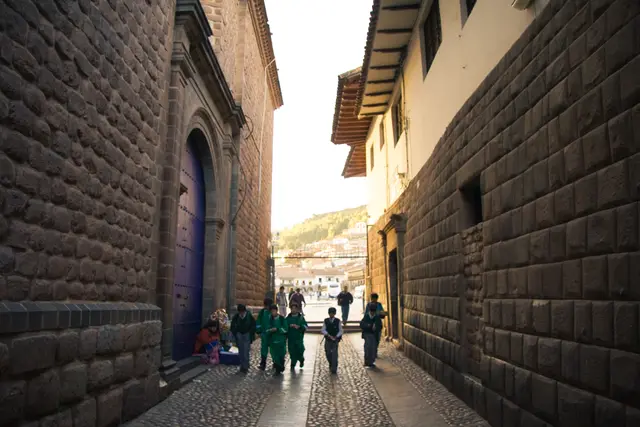
The Plaza de Armas is the centre of Cusco’s historic centre, and most visitors simply walk there. San Blas is a short, steep walk uphill. Calle Plateros and Calle Procuradores, both lined with places to stay, run off the square.
Taxis from Alejandro Velasco Astete International Airport usually stop at the edge of the pedestrian streets. Expect to walk the last few minutes on cobblestones.
Cusco sits at roughly 3,400 metres, so climbing the steps to San Blas leaves most new arrivals out of breath. December is rainy season here. Afternoon showers are common, which is why the stalls have sheeting overhead and many shoppers carry a light rain jacket.
When the stalls come down
By Christmas morning the market is gone and the plaza is back to normal. A few things around it last beyond the fair:
- San Blas workshops: several family workshops make religious images all year, and the neighbourhood’s square and church are a short climb from the plaza.
- The Cathedral: its collection of Cusco School paintings shows the same mix of Andean and Catholic imagery you see on the fair tables.
- Qorikancha: the Inca sun temple with the Santo Domingo convent built on top of it. It’s a short walk down Avenida El Sol.
Many visitors put their Niño figure on a hotel windowsill for the holidays, then pack it carefully for the trip home.
Frequently asked questions
When is Santurantikuy 2026?
It runs from December 22 to 24, 2026. The main day is Christmas Eve, December 24, when the square is fullest and the most artisans are selling.
Do you need tickets for Santurantikuy?
No. It's an open-air market in Cusco's Plaza de Armas, which is a public square. Earlier editions have had no gate or ticketed entry.
What can you buy at the fair?
Mostly things for nativity scenes: Niño Manuelito figures and their clothes, painted retablos, ceramic shepherds and animals, and moss and plants to decorate the scene. You'll also find general crafts and textiles.
How do people usually pay?
Mostly in cash, in Peruvian soles, with small notes. Many stalls are family tables without card readers. Light, polite bargaining is normal.
What else is near the fair?
The Cathedral and La Compañía de Jesús are both on the plaza. The San Blas artisan quarter is a short climb uphill, and Qorikancha is a short walk down Avenida El Sol.
Plan your trip to Cusco
Peru eSIM & staying connected →
Some links above are affiliate links — if you book through them, Wander Atlas earns a small commission at no extra cost to you. It's how we keep every guide free.