A street that runs on gold and neon
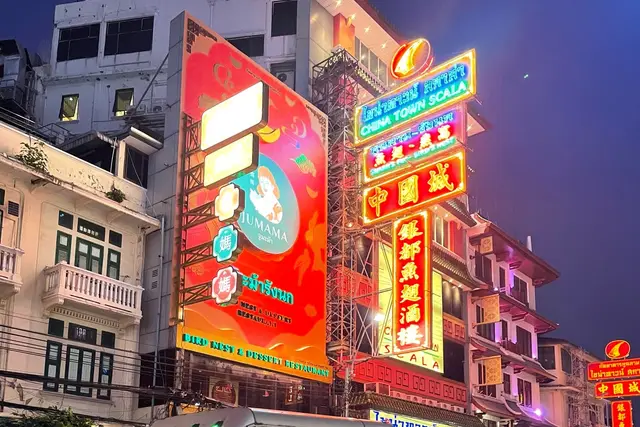
Yaowarat Road bends through Samphanthawong like a spine. Everything else in Chinatown hangs off it in narrow sois and lanes. Vertical signs in Chinese and Thai lettering stack over the traffic, some of them wider than the shopfronts beneath.
At street level the gold shops take over. They have red-painted interiors, glass counters of chains sold by weight and staff sitting behind grilles. Between them you get herbal medicine sellers, dried seafood merchants and shophouses several storeys high.
It’s one of Bangkok’s most visited districts, and the street never shuts. Plan around the crowds, because you won’t have it to yourself.
Getting to Yaowarat without a taxi jam
Skip the car if you can. Traffic on Yaowarat Road crawls at night, and a taxi can spend longer on the last few hundred metres than on the rest of your trip.
- MRT: Wat Mangkon station on the Blue Line opened in 2019. Exit 1 comes up on Charoen Krung Road, a short walk from Yaowarat.
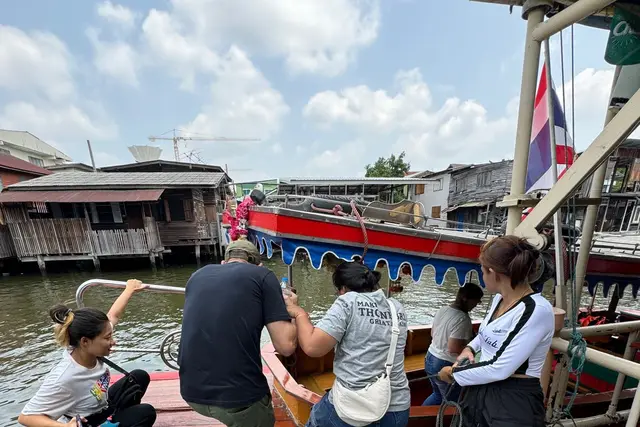
- Boat: take the Chao Phraya Express Boat to Ratchawong Pier, then walk inland up Ratchawong Road.
- From Hua Lamphong: the old railway station and its MRT stop sit at the eastern end, near the Chinatown Gate at Odeon Circle.
Arriving by boat and leaving by MRT lets you cover the whole district on foot in one direction.
The quiet hour and the morning markets
Here’s the most useful fact in this guide. Yaowarat is calmest between 7am and 8am, on weekdays and weekends alike. The footpaths are clear, the neon is off and the gold shops are still rolling up their shutters.
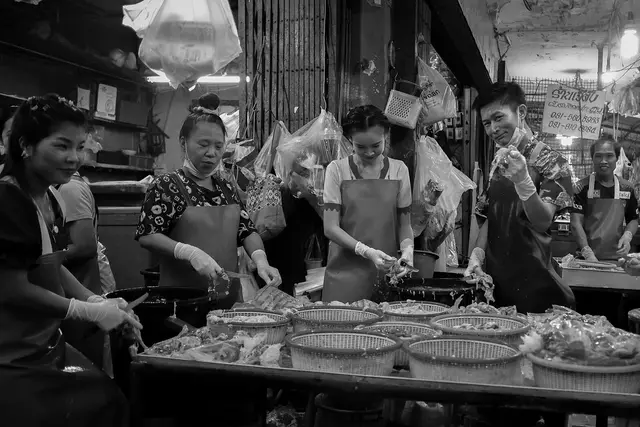
That hour is the best time to walk into Talat Mai, the covered lane off Charoen Krung Soi 16. Stalls there sell dried mushrooms, cured sausage, spices and paper offerings for ancestral shrines. It works as a kitchen for the neighbourhood rather than a sight.
Plan on two or three hours for a morning loop. Pair it with the temples below and finish before the midday heat.

After dark on Yaowarat Road
Evening is when the food stalls fill the curbs. Folding tables go out on the pavement, woks start up and the signs light the whole road orange and red.
Try not to arrive between 5pm and 11pm on a weekend unless the crowd is what you came for. That’s the busiest window. The pavements narrow to single file and the popular stalls build long queues. A weeknight evening gives you the same food with more elbow room.
Dishes worth looking for:
- Guay jub: rolled rice noodles in a peppery pork broth
- Hoi tod: crisp oyster or mussel omelette off a flat griddle
- Grilled seafood: prawns and squid cooked over charcoal at the roadside
- Bird’s nest soup: sold from shopfronts with the dried nests in display cases
- Khanom pang: toasted buns with sweet custard or pandan dips
Street vendors in Bangkok often take Monday off. If eating is the point of your visit, choose another night.
Eating at the curb: how the stalls work
Most stalls cook one or two dishes. Point at what you want, hold up fingers for the number of portions and find a seat. Sharing a plastic table with strangers is normal, and nobody expects conversation.
Pay in cash, and bring small notes, because large notes slow everything down. Many vendors also show a Thai QR code, but it’s often set up for local bank apps. Tipping isn’t expected at stalls. At sit-down restaurants, leaving the loose change is plenty.
With a long queue, look for the stall owner who gives out numbers or takes orders down the line. Wait for that instead of calling out. In the Vegetarian Festival each October, yellow flags marked “jay” show the stalls serving meat-free food.
Beyond the main drag
Chinatown rewards you for turning off Yaowarat Road. The best sights are a few minutes’ walk away.
- Wat Traimit: near the Chinatown Gate, home of the solid gold seated Buddha, more than five tonnes of it.
- Wat Mangkon Kamalawat: the district’s main Chinese Buddhist temple on Charoen Krung. It has incense-filled courtyards and tiled roofs with dragons along the ridges.
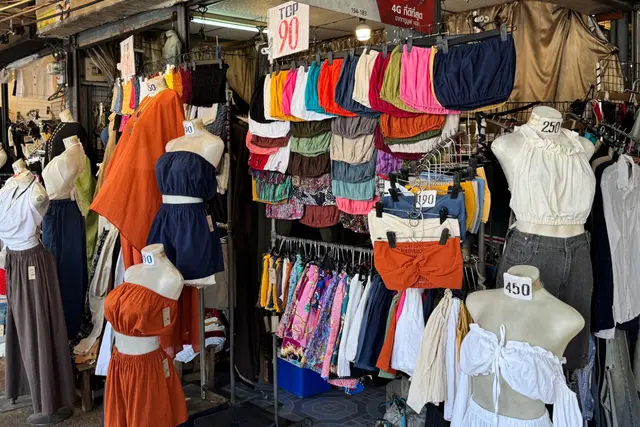
- Sampeng Lane (Soi Wanit 1): a covered wholesale alley parallel to Yaowarat, packed with bead, fabric and toy shops. Go in the daytime, before the shutters come down.
At Chinese New Year the whole district turns red with lanterns, and Yaowarat Road becomes the centre of Bangkok’s celebrations. Expect even bigger crowds than on an ordinary weekend.
Frequently asked questions
When is the quietest time to visit Yaowarat?
Between 7am and 8am, weekdays and weekends alike. The busiest window is weekend evenings from 5pm to 11pm, so arrive earlier or come on a weeknight if you want space to walk.
How do I get to Chinatown Bangkok by public transport?
Take the MRT Blue Line to Wat Mangkon station, where Exit 1 comes up on Charoen Krung Road near Yaowarat. You can also take the Chao Phraya Express Boat to Ratchawong Pier and walk inland.
Is Yaowarat better in the morning or at night?
Both, for different reasons. Mornings are quiet and good for Talat Mai and the temples. Evenings are when the street food stalls set up along Yaowarat Road.
How long should I spend in Chinatown?
Plan on two to three hours for a morning walk covering the markets and temples, or an evening of eating along Yaowarat Road. Doing both on the same day works well.
What is near Yaowarat Road?
Wat Traimit and its gold Buddha by the Chinatown Gate, Wat Mangkon Kamalawat on Charoen Krung, Sampeng Lane's wholesale market and Hua Lamphong railway station at the eastern end.
Plan your trip to Bangkok
Some links above are affiliate links — if you book through them, Wander Atlas earns a small commission at no extra cost to you. It's how we keep every guide free.