A street plan older than the seaside
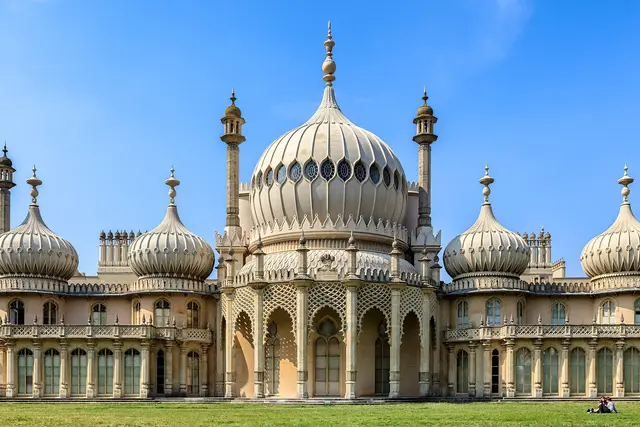
Step off North Street and the city closes in. The alleys narrow until two people walking abreast take up the whole width. Shopfronts sit close enough that their window displays seem to meet across the gap. Brighton’s big set pieces, the Pavilion domes and the pier, are only a few minutes away, but here you can’t see them at all.
This is the oldest part of the city. The street pattern goes back to Brighthelmstone, the fishing town that existed long before the Prince Regent made Brighton fashionable. Most of the buildings you pass are later, from the eighteenth and nineteenth centuries. The tight, crooked layout between them is the medieval part, and it explains why you will keep losing your sense of direction.
Finding Brighton Square
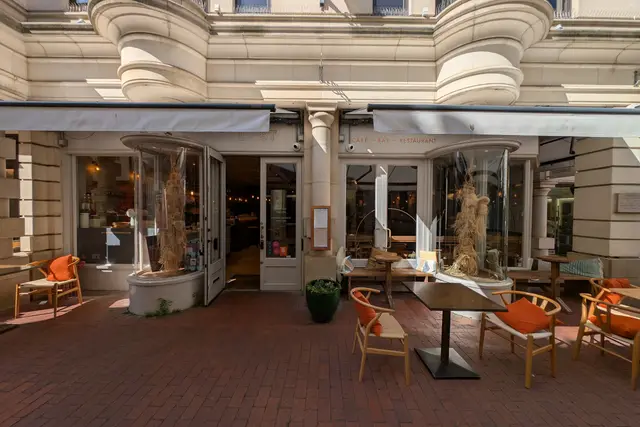
Brighton Square is the small paved courtyard that serves as this landmark’s reference point. It is newer than the lanes around it and is reached through gaps between buildings, not from any main road. That’s why plenty of people walk the area without ever noticing it.
The square makes a useful anchor. Once you’ve found it, branch out along the alleys that radiate from it, then come back when you lose your bearings. The listing pin is fairly modest. The streets around it are packed with shops, but the square itself is easy to miss, and that makes it a calmer place to stop.
What to look for as you walk
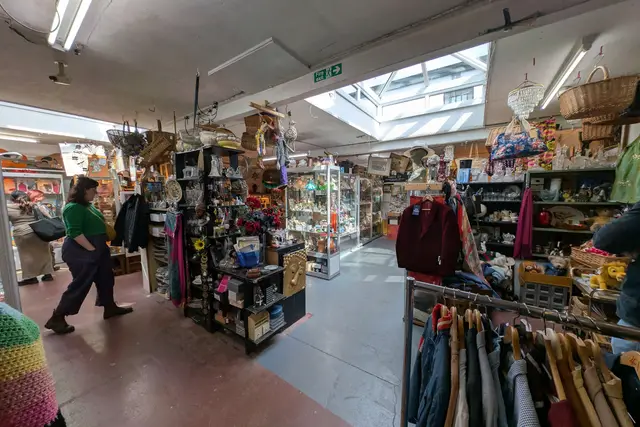
The Lanes are best known for their jewellers and antique dealers. Window after window is filled with rings, watches and old silver. Look past the shops and the area rewards slower attention:
- The twittens themselves. “Twitten” is the Sussex word for a narrow passage between walls or buildings. Some here are barely shoulder-width.
- Meeting House Lane. One of the best-known alleys, twisting through the district with jewellers on both sides.
- Changes in width. Streets suddenly open into small squares and then pinch shut again. That rhythm comes from the old town plot lines.
- Upper storeys. Look up from the shopfronts. The floors above often show the building’s age better than the modernised ground level.
- Bartholomew Square and Brighton Town Hall. These mark the southern edge, where the alleys give way to the streets running down to the seafront.

Getting there on foot
Brighton station is the natural starting point. Walk straight downhill along Queen’s Road and West Street towards the sea. Turn left into North Street, Ship Street or Duke Street, and the lanes begin almost at once.
Roughly speaking, the district is bounded by North Street to the north, West Street to the west, East Street to the east and the seafront roads to the south. Most of the alleys are pedestrian. Driving in makes no sense, so park elsewhere or come by train.
Walking the twittens without getting lost
Expect your phone’s map to struggle. In alleys this narrow, GPS often puts you a street away from where you really are. Navigate by the main roads around the edge instead. Walk downhill and you reach the sea; walk uphill and you hit North Street.
A few habits keep things easy for you and for the people who work here:
- Keep to one side. In the narrowest twittens, step into a doorway to let people pass, the way you would on a footpath.
- Don’t stop dead to photograph. In a passage this tight, one person standing still blocks everyone behind.
- Ask before photographing window displays. Many jewellers prefer you didn’t, and some say so on the door.
- Card is normal. Contactless payment is standard in British shops, so you don’t need to carry much cash.
- Browsing is expected. Window-shopping the jewellers is half the point, and nobody minds if you look without buying.
As a rule, the broader routes carry most of the foot traffic. The side alleys and the square are where it thins out. Arriving before the shops open lets you see the street plan without the window-shopping crowds.
Linking it to the rest of Brighton
The Lanes fit easily into a half-day loop. East Street brings you out close to the Royal Pavilion and its gardens, with Brighton Museum and Art Gallery beside them. From the southern edge, a short walk downhill puts you on the seafront promenade. Brighton Palace Pier is a few minutes east from there.
Don’t confuse The Lanes with the North Laine. That is a separate, more bohemian shopping district north of North Street, nearer the station. The two are often mentioned together, and many visitors walk through one on the way to the other. Doing both is easy on foot.
Frequently asked questions
How do I get to The Lanes from Brighton station?
Walk downhill along Queen's Road and West Street towards the sea, then turn left into North Street, Ship Street or Duke Street. It takes about 10 to 15 minutes. The alleys are mostly pedestrian, so walking is the practical way in.
How long should I spend in The Lanes?
One to two hours is enough to walk the main twittens, find Brighton Square and browse the jewellers and antique shops. Allow longer if you combine it with the Royal Pavilion or the seafront, both a few minutes away.
What is the difference between The Lanes and the North Laine?
The Lanes is the old, medieval-plan district of narrow alleys south of North Street, known for jewellers and antiques. The North Laine is a separate shopping area north of North Street, closer to the station, with a more independent, bohemian character.
When is the best time to walk The Lanes?
Before the shops open is the calmest time to see the street layout. After opening, the side alleys and Brighton Square tend to be quieter than the main through-routes. Opening hours vary from shop to shop, so check individual businesses before you go.
What else is near The Lanes?
The Royal Pavilion and Brighton Museum and Art Gallery are just off East Street. Brighton Town Hall is on the southern edge, the seafront is a short walk downhill and Brighton Palace Pier is a few minutes further east.
Plan your trip to Brighton
United Kingdom eSIM & staying connected →
Some links above are affiliate links — if you book through them, Wander Atlas earns a small commission at no extra cost to you. It's how we keep every guide free.