Waterloo Street’s main draw
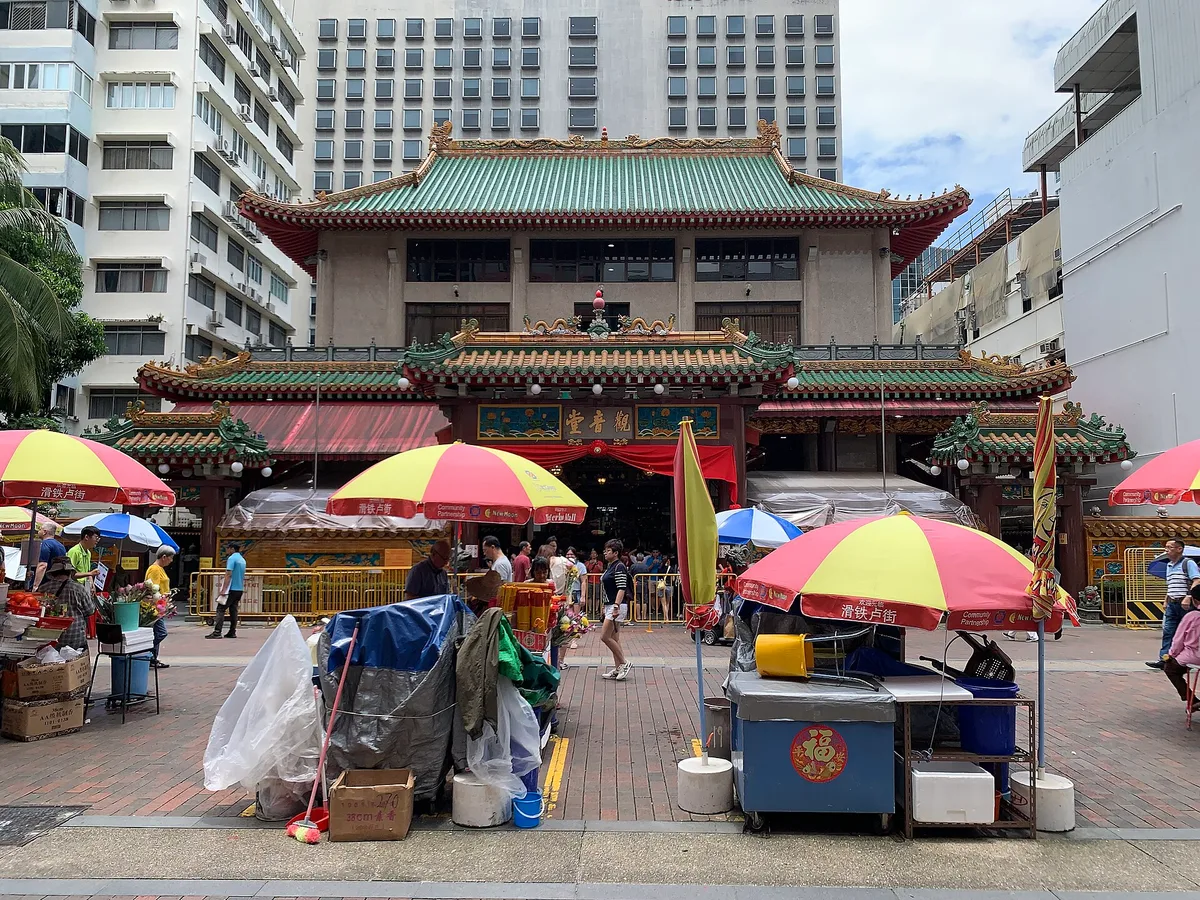
This is the temple locals and tourists both call “the Kuan Im temple,” a Chinese Buddhist site on Waterloo Street with a sloped tiled roof and gilded, elevated Buddha statue over the entrance. It’s dedicated to Guan Yin, the bodhisattva of mercy, and pulls one of the busiest crowds of any temple in Singapore. Rated 4.7 from over 8,000 reviews, it’s not a quiet backstreet find; expect company.
The pedestrianised stretch of Waterloo Street outside functions as an extension of the temple itself. Flower and joss-stick stalls line the pavement, and fortune-tellers set up folding tables along the wall facing the Sri Krishnan Hindu temple next door. That Hindu-Buddhist proximity is itself a small Singapore landmark worth noticing.
What happens inside
Devotees queue with bundles of incense sticks, light them at the outdoor burners, then bow in sets of three facing the main hall. Many shake numbered fortune sticks from cylindrical containers near the altar, then trade the number for a printed fortune slip at a side counter. The main hall houses the Guan Yin statue; smaller altars flank it for other deities.
- Bring small change for donations; there’s no admission fee
- Incense and joss paper are sold cheaply at stalls right outside
- Dress modestly; shoulders and knees covered is standard temple etiquette here

When to go
Opening hours run 7am to 6:30pm every day of the week, no exceptions listed. Weekdays tend to be quieter, but weekends are a different story, especially around Chinese New Year and other festival dates. If you want the temple closer to empty, arrive shortly after opening on a weekday before the queues build.
Moving through the crowd
Follow the flow rather than fight it: the queue for incense burning moves one direction around the courtyard, and cutting across it is the fastest way to get an elbow. Fortune-telling stalls outside operate on a first-come basis with no fixed queue, so lulls happen right after the morning rush.
Kwan Im Thong Hood Cho Temple is a two-minute walk from Bras Basah MRT (Circle Line) and about five to seven minutes from Bugis MRT (East-West/Downtown Lines), exit B. Pair the visit with Bugis Street market or the National Design Centre nearby; twenty to thirty minutes covers the temple itself, longer if you stop for a fortune reading. Photography is generally fine in the courtyard, but keep phones down and voices low inside the main prayer hall.
Frequently asked questions
What are the opening hours?
Daily, 7:00 AM to 6:30 PM, with no variation by day of the week.
Is there an entrance fee?
No, entry is free; bring small change if you'd like to donate or buy incense from the stalls outside.
When is it quietest?
Weekday mornings through the whole day are calm; on weekends, the narrow quiet window is 7am–8am, before the 10am–5pm rush sets in.
How do I get there?
It's on Waterloo Street, Bugis: about a 2-minute walk from Bras Basah MRT (Circle Line) or 5-7 minutes from Bugis MRT (exit B, East-West/Downtown Lines).
How long should I plan for the visit?
Twenty to thirty minutes covers the main hall and courtyard; add time if you want a fortune-stick reading or want to browse the Waterloo Street stalls.
Plan your trip to Bugis
Singapore eSIM & staying connected →
Some links above are affiliate links — if you book through them, Wander Atlas earns a small commission at no extra cost to you. It's how we keep every guide free.
Related guides
 restaurant
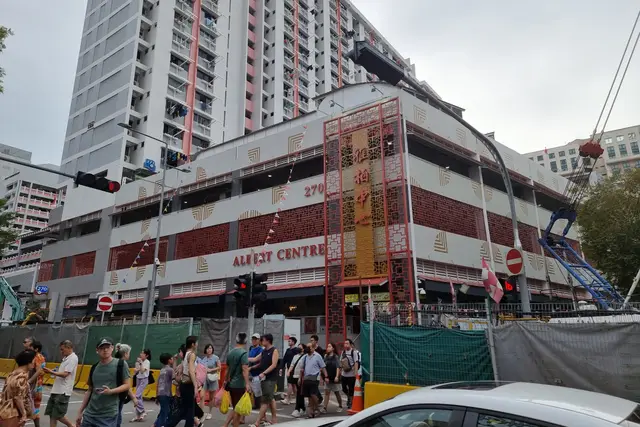
 Albert Centre Market & Food Centre: Where to Eat in Bugis
 hidden gem
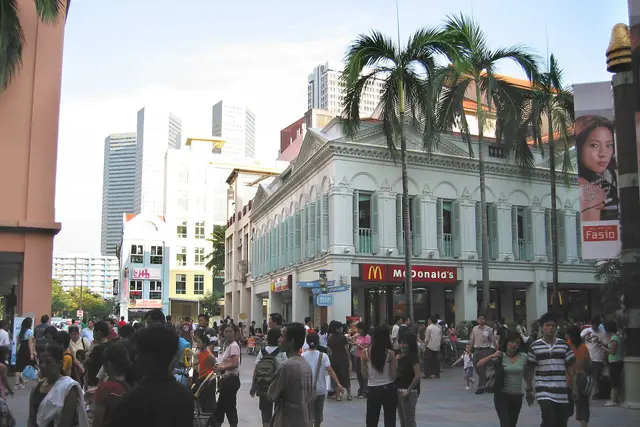
 Bugis Street: Travel Guide (4.4★)
 attraction
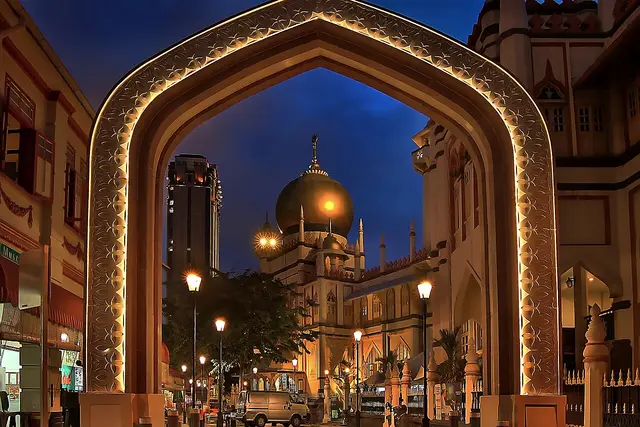
 Sultan Mosque: Kampong Glam Travel Guide
 attraction