Why Hiyodori-Zaka is worth the detour
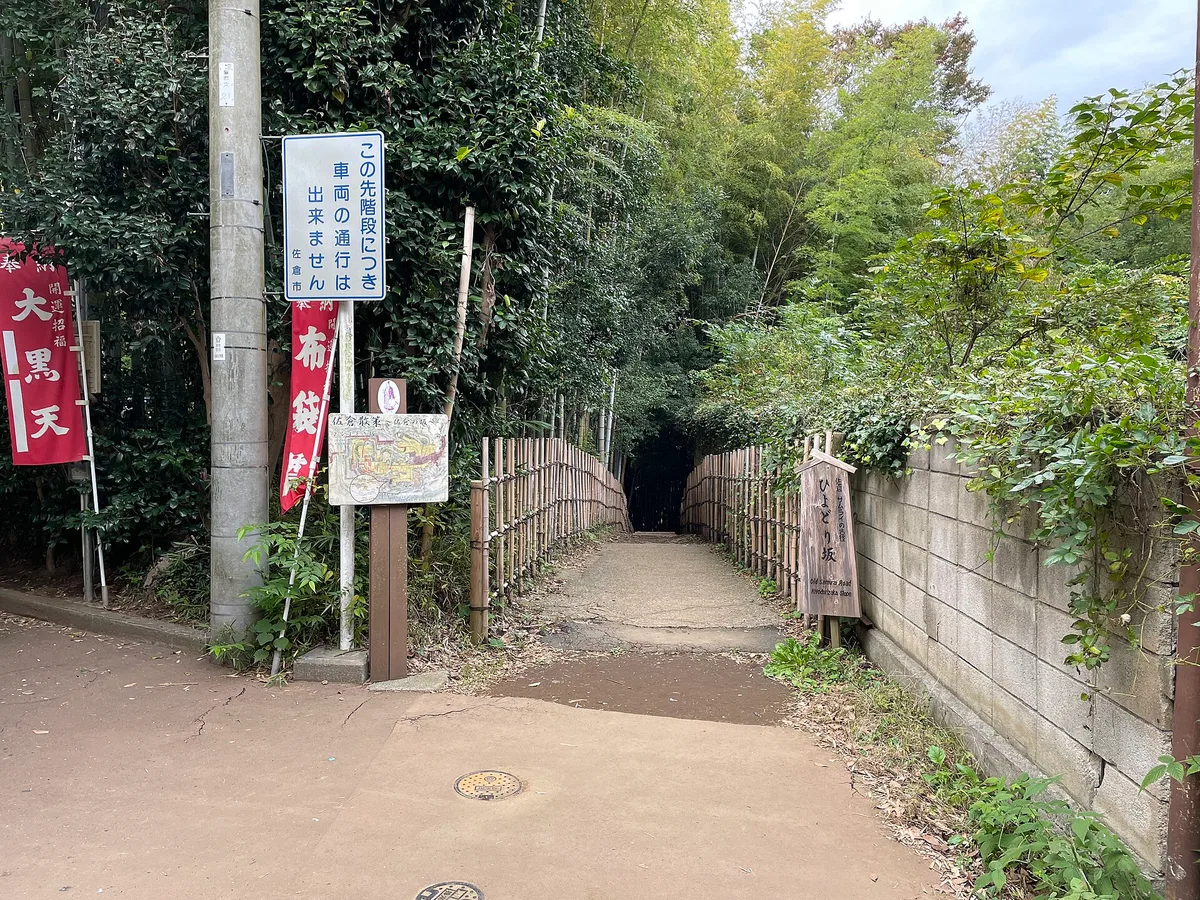
Sakura sits about an hour east of central Tokyo, and most visitors to Chiba blow straight past it on the way to Narita Airport. That’s the reason Hiyodori-Zaka still feels so undisturbed. This is a sunken lane, cut between two earthen embankments and topped with clipped hedges (ikegaki), that once connected the homes of mid-ranking samurai serving the Sakura Domain.
Walk it today and the modern town disappears almost entirely, no vending machines, no power lines in view, just packed earth, moss-stained stone, and a canopy of leaves that filters the light into a soft green wash. It’s the kind of place that rewards patience rather than a checklist mentality: there’s no single “sight” to photograph, just the accumulated texture of a 19th-century street that never got paved over.
Getting there
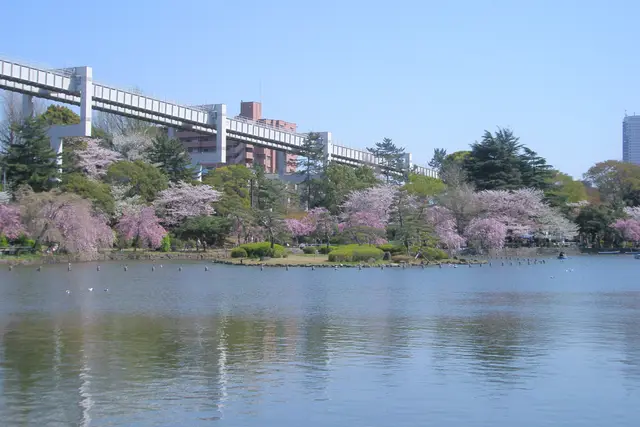
Take the Keisei Main Line to Keisei-Sakura Station (about 70-75 minutes from Keisei-Ueno, or transfer from Narita Airport in roughly 20-30 minutes, making this a genuinely easy stopover before or after a flight). From the station it’s a walk of around 15 minutes, mostly uphill through quiet residential streets, toward the Jōnaichō district where the old samurai quarter survives. If you’d rather not walk, local buses run from the station toward the castle park area, but the on-foot approach lets you pass the moat remnants of Sakura Castle before you reach the lane itself.

What you’ll actually see
Hiyodori-Zaka is short, you can walk its length in a few minutes, but the point is to slow down. The path is flanked by tall clipped hedges and earthen banks (dorui) that were originally built for both privacy and low-level defense, a design detail that distinguishes samurai-district lanes like this one from an ordinary alley. Bring a wide-angle lens or just your phone held low; the slope’s compressed perspective is what makes it a favorite for photographers who know it’s here.
Because the lane sits inside a residential neighborhood, houses still stand along parts of it, so keep voices down and stay on the path.
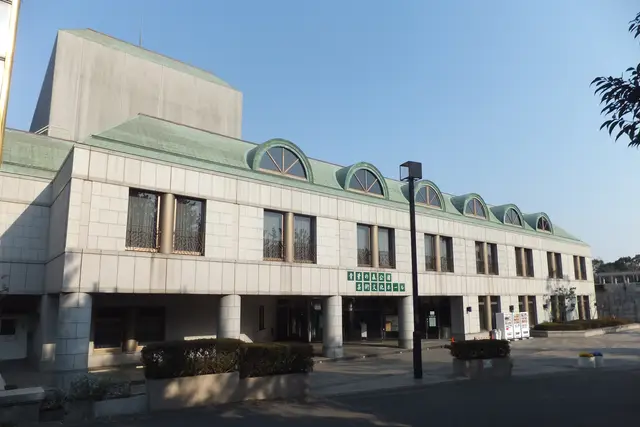
Budget 20-30 minutes for the lane itself, then extend your visit: Sakura is also home to three preserved samurai residences (the Kyu-Kawara, Kyu-Takahashi, and Kyu-Tashiro houses), a short walk further into Jōnaichō, where you can step inside a real Edo-period home for a modest admission fee. The National Museum of Japanese History, built on the former castle grounds within Sakura Castle Ruins Park, is another 10-15 minutes on foot and easily fills the rest of a half-day.
When to go
Spring and early autumn are the most comfortable seasons. The hedges are green and full, and the earthen walls hold moisture that makes the air noticeably cooler than the open street outside. Rainy season (June) actually suits the lane well, since the moss along the banks deepens in color, though the path can get muddy underfoot. Because Hiyodori-Zaka is unshaded by any building, avoid the midday hours in high summer if you’re sensitive to heat.
How to visit like a local
There’s no ticket, no gate, and no set hours. It’s a public lane through a residential area, so the etiquette is simple: keep noise down, don’t linger outside private homes, and don’t block the narrow path if someone lives there and is trying to get through. Weekday mornings are the quietest stretch, since most visitors who do come tend to arrive on weekend afternoons alongside trips to the samurai houses.
There’s nothing to pay or tip here. The only spending you’ll do is the small entry fee at the samurai residences nearby, and those typically accept cash only, so carry some coins and small bills. The biggest mistake visitors make is treating this as a five-minute photo stop and skipping everything else in Jōnaichō; the lane is really the atmospheric prelude to the wider preserved samurai quarter, and seeing it in isolation undersells the whole district. If you want the classic shot down the length of the hedge with nobody in frame, arrive before mid-morning.
Nearby to combine
Beyond the samurai houses and history museum, Sakura’s old town has a handful of small local shops and a preserved merchant streetscape worth a slow wander. Because the town is compact and flat once you’re past the initial slope, you can comfortably see Hiyodori-Zaka, the samurai residences, and the castle park grounds in a single unhurried half-day trip from Tokyo or Narita.
Frequently asked questions
How do I get to Hiyodori-Zaka from Tokyo?
Take the Keisei Main Line to Keisei-Sakura Station (about 70-75 minutes from Keisei-Ueno), then walk roughly 15 minutes uphill into the Jōnaichō district. It's also about 20-30 minutes by train from Narita Airport, making it an easy stopover.
How much time should I budget?
The lane itself takes 20-30 minutes to walk and photograph, but plan a half-day if you combine it with the nearby preserved samurai houses and Sakura Castle Ruins Park.
Is there an admission fee?
No, Hiyodori-Zaka is a public street with no entry fee. The nearby former samurai residences do charge a small admission, typically payable in cash.
When is the best and quietest time to visit?
Go on a weekday morning for the emptiest lane and best light. Spring and early autumn are the most comfortable seasons; avoid midday in peak summer since the path is unshaded.
What else is nearby worth seeing?
The Kyu-Kawara, Kyu-Takahashi, and Kyu-Tashiro samurai houses are a short walk away, along with the National Museum of Japanese History inside Sakura Castle Ruins Park.
Plan your trip to Chiba
Japan eSIM & staying connected →
Some links above are affiliate links — if you book through them, Wander Atlas earns a small commission at no extra cost to you. It's how we keep every guide free.