National Museum of Japanese History: Chiba Travel Guide

✓ Facts verified via Google Places · Sep 16, 2026
At a glance
Opening hours
- Monday: Closed
- Tuesday: 9:30 AM – 5:00 PM
- Wednesday: 9:30 AM – 5:00 PM
- Thursday: 9:30 AM – 5:00 PM
- Friday: 9:30 AM – 5:00 PM
- Saturday: 9:30 AM – 5:00 PM
- Sunday: 9:30 AM – 5:00 PM
Live foot-traffic data via BestTime.app
How this guide is made
Produced with AI assistance and reviewed against live data sources. Facts such as hours, ratings, and location come from Google Places; images are licensed or public domain. Details can change — please verify before visiting. Editorial policy
Most visitors come to Sakura for the castle ruins and end up staying for the museum instead. The National Museum of Japanese History sits on the former grounds of Sakura Castle, and the building itself, a long concrete structure from the early 1980s, was designed to feel like a modern annex to that older site rather than a freestanding attraction.
Inside, the scale is bigger than most first-timers expect. Six permanent exhibition rooms move chronologically from the Jōmon and Yayoi periods through the samurai era into the Meiji Restoration and modern folk life, with rotating special exhibitions filling a seventh space. Full-size reconstructions, not just glass cases, carry a lot of the storytelling here: a Jōmon-period dwelling, a Edo-era townscape, folk tools laid out as they’d have been used.
Getting there from Tokyo or Narita
Sakura is a small city in northern Chiba, roughly an hour from central Tokyo and much closer to Narita Airport.
- From Keisei Sakura Station, it’s about a 15-minute walk or a short taxi ride.
- The museum sits inside Sakura Castle Park (Jōnai Park), so signage along the way is decent once you’re off the station.
- Drivers coming from Narita Airport can reach Sakura in well under 30 minutes, making this a realistic stop on a layover day or on the way into Tokyo.
Because it’s a detour from the usual Tokyo museum circuit, expect a calmer arrival than at the big city institutions, even though the museum itself is well-known and well-reviewed.
What the six galleries actually cover
Each gallery is built around a period rather than a theme, which makes the visit easy to follow even without much prior background.
- Gallery 1: prehistoric Japan, Jōmon and Yayoi life
- Gallery 2: the ancient and classical court period
- Gallery 3: medieval society and the rise of samurai rule
- Gallery 4: Edo-period towns, trade routes and daily life
- Gallery 5: the Meiji Restoration and the shift into the modern state
- Gallery 6: folk customs, rural life and regional traditions
Labels are in Japanese with English support in most rooms, though the depth of English translation varies by section. If you read exhibit text closely, this is not a 90-minute museum; plan closer to three hours if you want all six galleries.
The reconstructed Edo street, and why it’s worth slowing down for
Gallery 4’s recreated townscape is the section people photograph most, and it’s easy to walk through too fast. Shopfronts, signage and street fixtures are built at a scale you can walk into rather than just view from outside a rope line.
Slow down here specifically: the value isn’t in one showpiece object but in the accumulation of small period details, from roof tiles to shop signage lettering. It rewards the kind of unhurried look that a rushed group tour doesn’t allow.
Beating the weekend crowd
The museum is well-visited, and weekends are its busiest stretch, with foot traffic concentrated between 10am and 5pm.
If you’re visiting Saturday or Sunday, arriving close to the 9:30am opening is the simplest way to get the first galleries to yourself before the mid-morning rise. Weekday visits, unsurprisingly, run quieter throughout, since the museum draws school groups on set schedules rather than a steady stream.
There’s no need to book ahead for general admission; the crowd here is manageable even at its peak, just noticeably more so before 10am.
The garden that most people skip
Behind the museum, a themed botanical garden traces plants historically significant to Japanese life: rice cultivars, dye plants, species referenced in classical literature and folk medicine. It’s included with museum admission and takes 20 to 30 minutes to walk.
Because it sits behind the main building, a lot of visitors miss it entirely on the way out. Go anyway, especially outside peak summer heat; the plantings are labeled and tie directly back to themes from Galleries 3 and 6, so it works as a coda to the exhibits rather than a separate stop.
Making a day of it with Sakura Castle Park
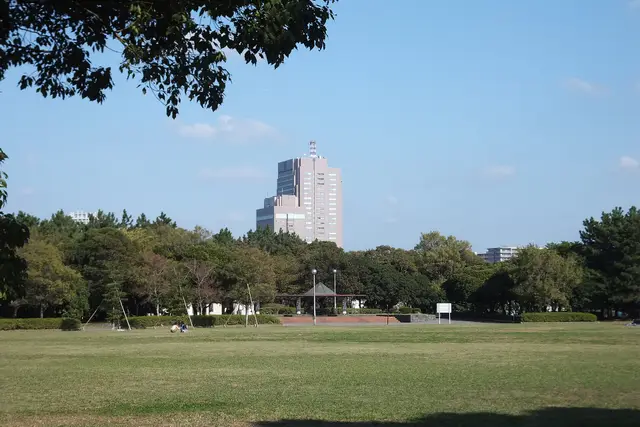
The museum’s grounds are the old Sakura Castle site, and the earthworks, moats and tree-lined paths of the surrounding park are free to walk regardless of museum admission.
Pair the visit with:
- A walk through the castle park’s moat and rampart remains, a 20 to 30 minute loop
- The on-site restaurant for a lunch break between galleries, useful since a full visit runs long
- The museum shop, which stocks history-focused books and regional Chiba goods not found in typical souvenir stores
Because the museum is closed Mondays, plan a Tuesday-to-Sunday visit, and note that hours run 9:30am to 5:00pm every open day, so a late-afternoon arrival after 3:30pm won’t leave enough time to see all six galleries properly.
Plan your trip to Chiba
Some links above are affiliate links — if you book through them, Wander Atlas earns a small commission at no extra cost to you. It's how we keep every guide free.
Related guides

More Chiba guides: Tokyo Game Show 2026 (TGS)