Aobanomori Park: Chiba Travel Guide (4.1★)
✓ Facts verified via Google Places · Sep 17, 2026
At a glance
Live foot-traffic data via BestTime.app
How this guide is made
Produced with AI assistance and reviewed against live data sources. Facts such as hours, ratings, and location come from Google Places; images are licensed or public domain. Details can change — please verify before visiting. Editorial policy
Aobanomori Park sits in Chuo Ward, a short ride from central Chiba, and it does something a lot of city parks attempt but few pull off: it holds two completely different garden traditions side by side without either one feeling like an afterthought.
Walk in from one direction and you’re in clipped lawns, a rose garden laid out in geometric beds, and flowerbeds that rotate with the season. Walk in from the other and you’re on gravel paths curling around a pond, pruned pines, and stone lanterns. The park was designed this way deliberately, split roughly into a Western-style half and a Japanese-style half, so the contrast is the point rather than an accident of expansion over the decades.
The blossom windows that actually matter
This is a park people plan around, not just drop into. Plum trees (ume) bloom first, typically through February, filling one corner of the grounds with a scent that cherry blossoms never quite manage. Cherry blossoms (sakura) follow in late March into early April, and this is when the park gets genuinely busy, with paths under the trees turning into the main event.
If you want the blossoms without the crowds, aim for a weekday morning rather than a weekend afternoon in peak bloom weeks. Outside of those two windows, the park settles into a quieter rhythm of joggers, dog walkers, and retirees doing laps.
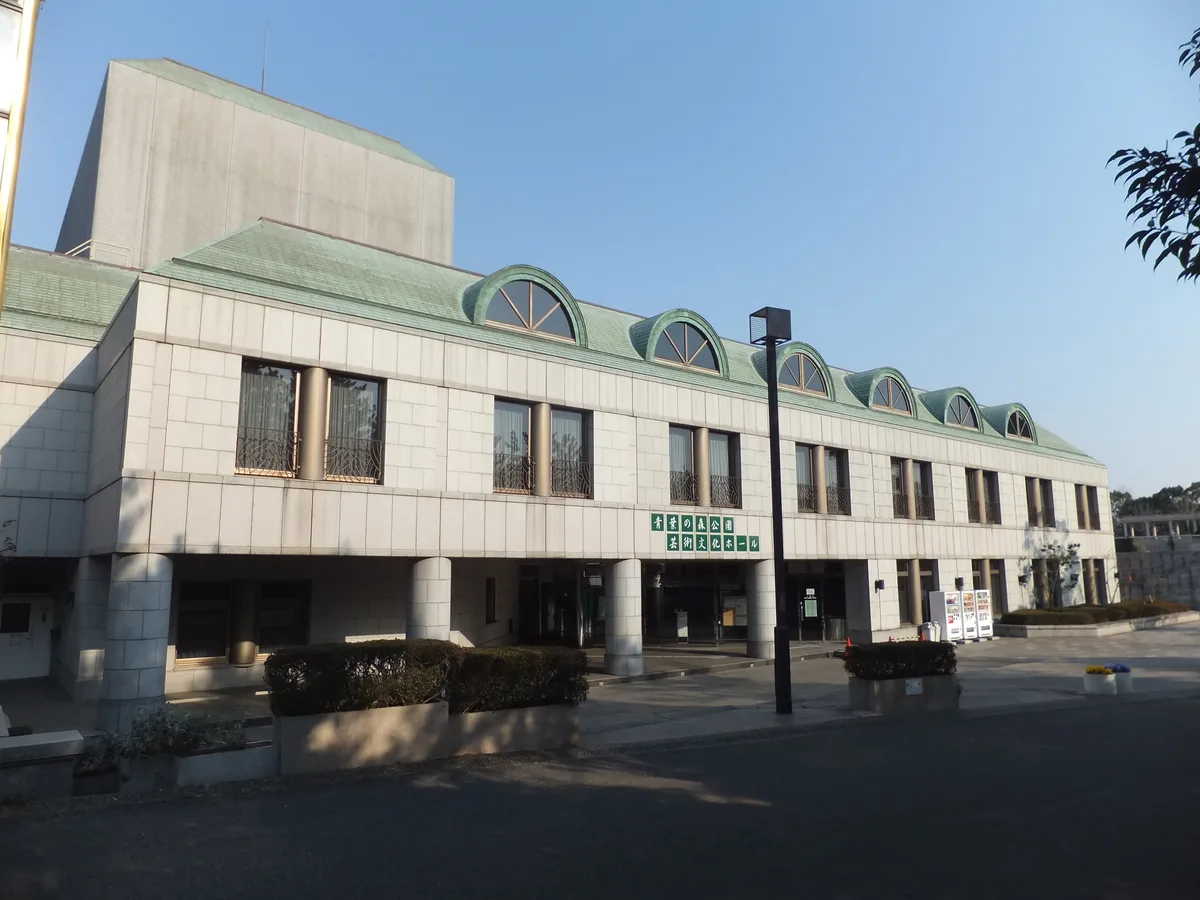
Aobanomori Park Natural History Museum
The Chiba City Kagaku-kan style natural history museum inside the park grounds is easy to miss if you’re only there for the gardens, but it rounds out a visit nicely, especially with kids. Expect displays on local ecology, geology, and regional wildlife rather than a blockbuster dinosaur hall; it’s a municipal museum scaled to match the park, not a competitor to Tokyo’s big science centers.
Budget thirty to forty-five minutes if you’re combining it with a garden walk, longer if you’re there specifically for the exhibits. Hours and any admission fee run separately from the park itself, so check current museum opening times before you go; the park’s grounds are open continuously, but the museum is not.

Reading the two gardens in one visit
Because the park is genuinely split in character, it helps to plan your route rather than wander randomly and miss half of it.
- Start at the Western garden if you want photos in good light early in the day; the open lawn and rose beds catch morning sun well.
- Cross to the Japanese garden in the afternoon, when the pond and pines are better suited to softer, lower light.
- Circle back past the museum before you leave if you’re short on time and can only pick one indoor stop.
- Bring a picnic blanket for the lawn side; the Japanese garden side is stroll-only, with less flat open grass to sit on.
Most visitors spend somewhere between forty-five minutes and two hours here, depending on whether the museum is on the itinerary and whether it’s blossom season.
Weekend crowds and when to skip them
The measured pattern here is straightforward: weekends from 9am to 6pm are when the park fills up, especially families with young children and groups doing the seasonal photo circuit under blossoming trees. If you’re after a calmer walk, the quietest stretch on weekdays runs from 9pm to 11pm, and on weekends it narrows to 10pm to 11pm.
Since the park itself is open 24 hours every day, a late walk is genuinely possible and not unusual for locals finishing a run or walking a dog after dinner, though the museum and any seasonal food stalls will be long closed by then. If you want blossoms and quiet at the same time during peak season, an early weekday morning is your best compromise; a 9-11pm slot works for the gardens generally but not for catching flowers in good light.
Getting there without a car
Aobanomori Park is reachable from central Chiba by bus or a combination of train and a short walk; if you’re coming from Chiba Station, check current bus routes toward the Aoba-cho area, since this is a residential-district park rather than one sitting directly on a subway line. Driving is straightforward too, and there’s on-site parking, though expect it to fill during peak cherry blossom weekends.
Because the park sees a genuinely wide cross-section of visitors rather than a tourist-heavy crowd, it functions as a real neighbourhood green space: families before school hours, retirees mid-morning, joggers and dog walkers into the evening. It isn’t a quiet insider secret, since it’s well known locally and shows up reliably in Chiba’s seasonal blossom guides, so treat the weekend daytime hours accordingly and plan around them rather than expecting an empty park.
Picnics, benches, and what to bring
There are no major food vendors clustered permanently at the entrance the way you’d find at a bigger tourist park, so plan to bring your own snacks or grab something before arriving if you want a proper picnic on the Western-garden lawn.
Benches are scattered through both garden sections, more of them along the Japanese garden’s pond paths, which makes for an easy, unhurried stop rather than a stand-and-photograph attraction. Pack a mat if you plan to sit directly on the grass for any length of time, particularly in blossom season when the lawn areas see heavy foot traffic and get compacted or damp.
The park works equally well as a twenty-minute cut-through walk for people in the neighbourhood and as a half-day outing timed around blossoms and the museum, which is part of why its character shifts so much depending on when you show up.
Frequently asked questions
How do I get to Aobanomori Park from Chiba Station?
It's not directly on a train line; take a local bus toward the Aoba-cho area or a short taxi ride from Chiba Station. Driving is also easy, with on-site parking, though it fills up on peak cherry blossom weekends.
When is the best time to see cherry blossoms here?
Late March into early April is typical for sakura, with plum blossoms (ume) coming earlier, usually through February. Weekday mornings during bloom season are far calmer than weekend afternoons.
Is the park open at night?
Yes, the park grounds are open 24 hours every day. The natural history museum keeps separate, more limited hours, so it won't be open for a late-night visit.
When is Aobanomori Park least crowded?
Weekdays from 9pm to 11pm and weekends from 10pm to 11pm are the quietest windows. Weekends between 9am and 6pm are the busiest, especially in blossom season.
How long should I plan to spend there?
Most visits run 45 minutes to 2 hours, depending on whether you add the natural history museum and how much time you spend in each garden section.
Plan your trip to Chiba
Some links above are affiliate links — if you book through them, Wander Atlas earns a small commission at no extra cost to you. It's how we keep every guide free.
Related guides

More Chiba guides: Summer Sonic 2026Tokyo Game Show 2026 (TGS)