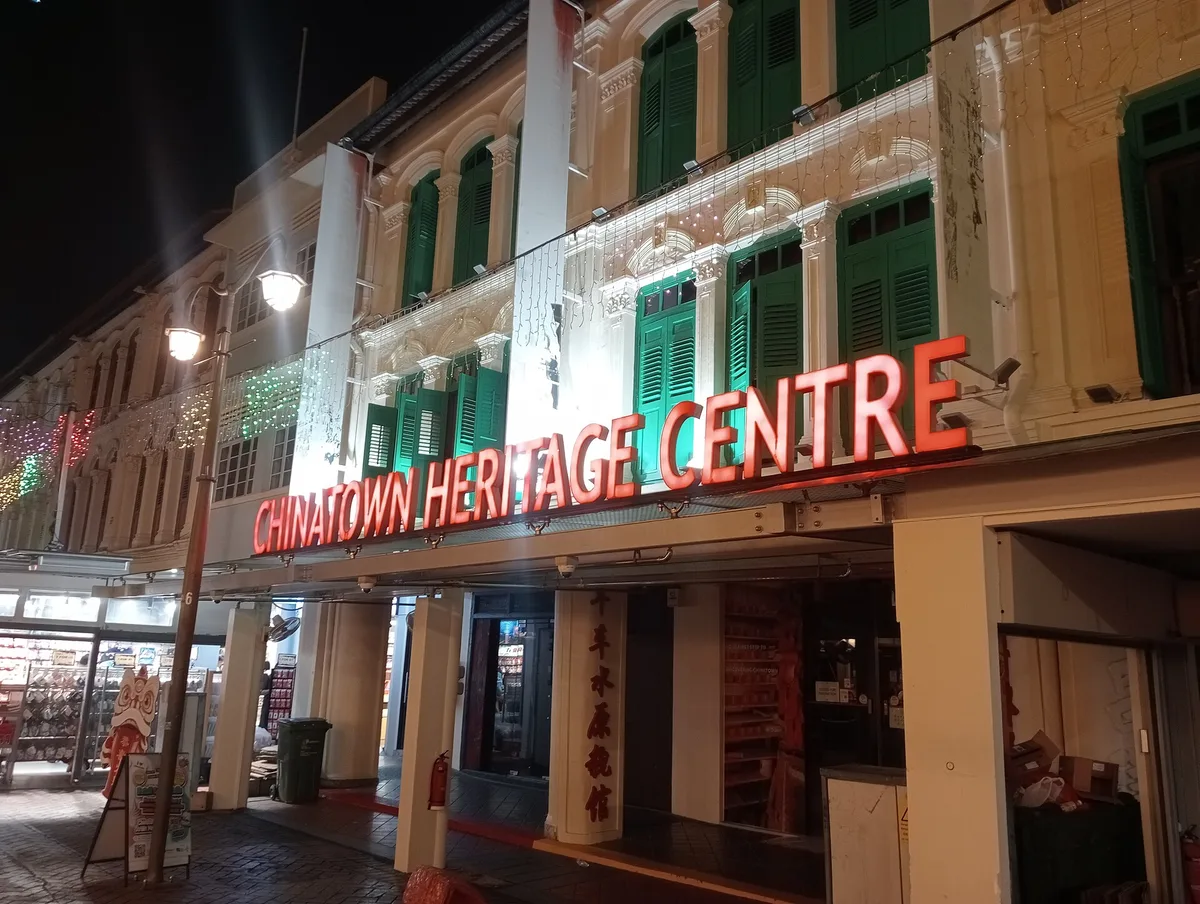
Why go
Chinatown today is dominated by souvenir stalls and hawker stands, which makes it easy to forget that this district was once one of the most densely packed and impoverished immigrant enclaves in Southeast Asia. The Chinatown Heritage Centre, housed in three painstakingly restored shophouses on Pagoda Street, exists to fill in that gap. Instead of glass cases and wall text, the museum recreates actual living conditions: cramped cubicle rooms subdivided by wooden partitions, a tailor’s shop, a coolie’s sleeping quarters, and a reconstructed opium den, all built from oral histories and archival research on the families who once lived at this address.
With a 4.6 rating across more than 4,400 reviews, it’s one of the more consistently praised indoor attractions in the district, and unlike much of Chinatown’s street-level commerce, it’s a place to slow down.
Getting there
The centre sits at 48 Pagoda Street, right in the pedestrianized heart of Chinatown. The closest stop is Chinatown MRT Station (North East Line/Downtown Line), served by Exit A, which puts you on Pagoda Street within a few minutes’ walk past shopfronts selling tea, silk, and trinkets. Exit E also works and tends to be less congested. If arriving from Outram Park or Tanjong Pagar MRT stations, it’s a 10–12 minute walk through the district, a reasonable option if you want to pass through the wet market on Smith Street first. Taxis and ride-hail drop-offs are easiest on nearby Trengganu Street, since Pagoda Street itself is often closed to vehicles.
What to see and do inside
The exhibits unfold across three shophouse levels, arranged roughly chronologically from the arrival of migrants at Singapore’s docks to their working lives in trades like tailoring, calligraphy, and provisions trading. Highlights include a recreated cubicle dwelling showing how up to a dozen people shared a single subdivided room, a mock-up of a traditional Chinese medicine hall, and a sobering opium den display that explains the drug’s role in 19th-century Chinatown life.
Interactive touchscreens and recorded oral histories (many in English with Chinese subtitles) supplement the physical sets. Photography is generally allowed in most galleries. Check signage in rooms with fragile artifacts. Most visitors move through the full circuit in 60–90 minutes; history-minded travelers or those visiting with children doing the interactive stations may want closer to two hours.
When to go
Weekday mornings, shortly after opening, are the quietest window, tour buses and school groups tend to arrive from late morning onward, and by early afternoon the narrow shophouse staircases and corridors can feel bottlenecked. Weekends draw the heaviest local and tourist foot traffic to Chinatown generally, which spills into queues at the centre’s entrance. The museum is air-conditioned throughout, making it a sensible midday retreat if you’re touring Chinatown during Singapore’s hottest hours. Confirm current opening hours and ticket prices on the official site before visiting, as these are periodically adjusted.
What’s nearby
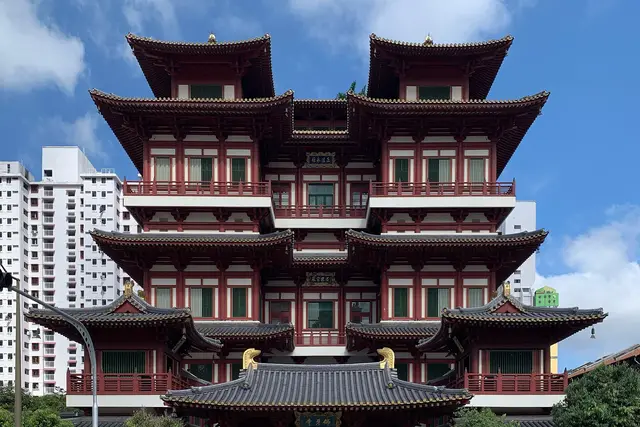
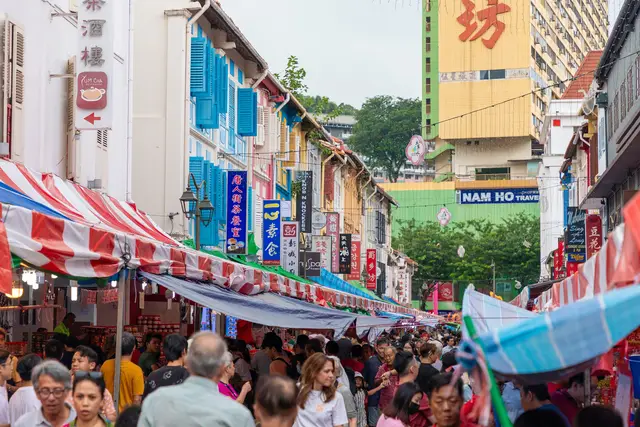
Pagoda Street itself is worth a slow walk before or after your visit, lined with stalls selling fans, chops (seals), and tourist-friendly souvenirs. Sri Mariamman Temple, Singapore’s oldest Hindu temple, is a five-minute walk away on South Bridge Road and offers a striking contrast in architecture and atmosphere. The Buddha Tooth Relic Temple and Museum, a few streets over on South Bridge Road, pairs well as a second heritage stop.
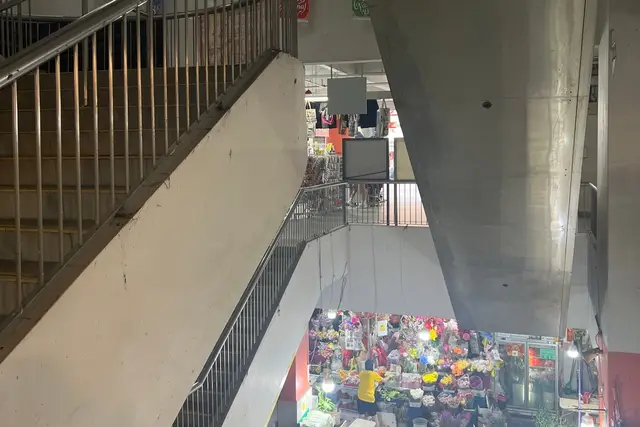
For food, the Chinatown Complex Food Centre on Smith Street is the district’s largest hawker centre and a practical lunch stop after the museum.
How to visit like a local
Because this is a well-known, heavily reviewed museum rather than an under-the-radar find, the useful local strategy is timing, not secrecy: arrive right at opening or in the last hour before closing to sidestep coach-tour crowds that cluster mid-morning to mid-afternoon. Tickets and any in-museum purchases are typically handled by card or mobile payment, as with most Singapore attractions, carrying cash isn’t necessary here.
There’s no tipping expectation in Singapore museums. Dress is casual, but note the shophouse staircases are narrow and steep, original to the 1900s buildings, so flat shoes make the climb easier. The most common visitor mistake is treating this as a quick photo stop between souvenir shopping; the exhibits reward reading the accompanying family histories rather than rushing through, since the personal stories are what distinguish this museum from a generic history display.
Frequently asked questions
How do I get to the Chinatown Heritage Centre by MRT?
Take the North East Line or Downtown Line to Chinatown Station and use Exit A or Exit E; it's a 3–5 minute walk down Pagoda Street to number 48.
How long should I plan to spend there?
Most visitors take 60–90 minutes to go through all three shophouse levels; allow up to 2 hours if you're reading the oral history displays in full or visiting with kids.
What's the best time to visit to avoid crowds?
Weekday mornings shortly after opening are quietest. Late morning through afternoon, especially on weekends, sees the heaviest tour-group and visitor traffic.
Is the Chinatown Heritage Centre suitable for children?
Yes, the recreated rooms and interactive touchscreens tend to engage kids, though some content (like the opium den display) is more historical/educational than playful.
What else is nearby worth combining with this visit?
Sri Mariamman Temple and the Buddha Tooth Relic Temple are both a short walk away, and Chinatown Complex Food Centre on Smith Street is a good lunch stop afterward.
Plan your trip to Chinatown
Singapore eSIM & staying connected →
Some links above are affiliate links — if you book through them, Wander Atlas earns a small commission at no extra cost to you. It's how we keep every guide free.