Why go
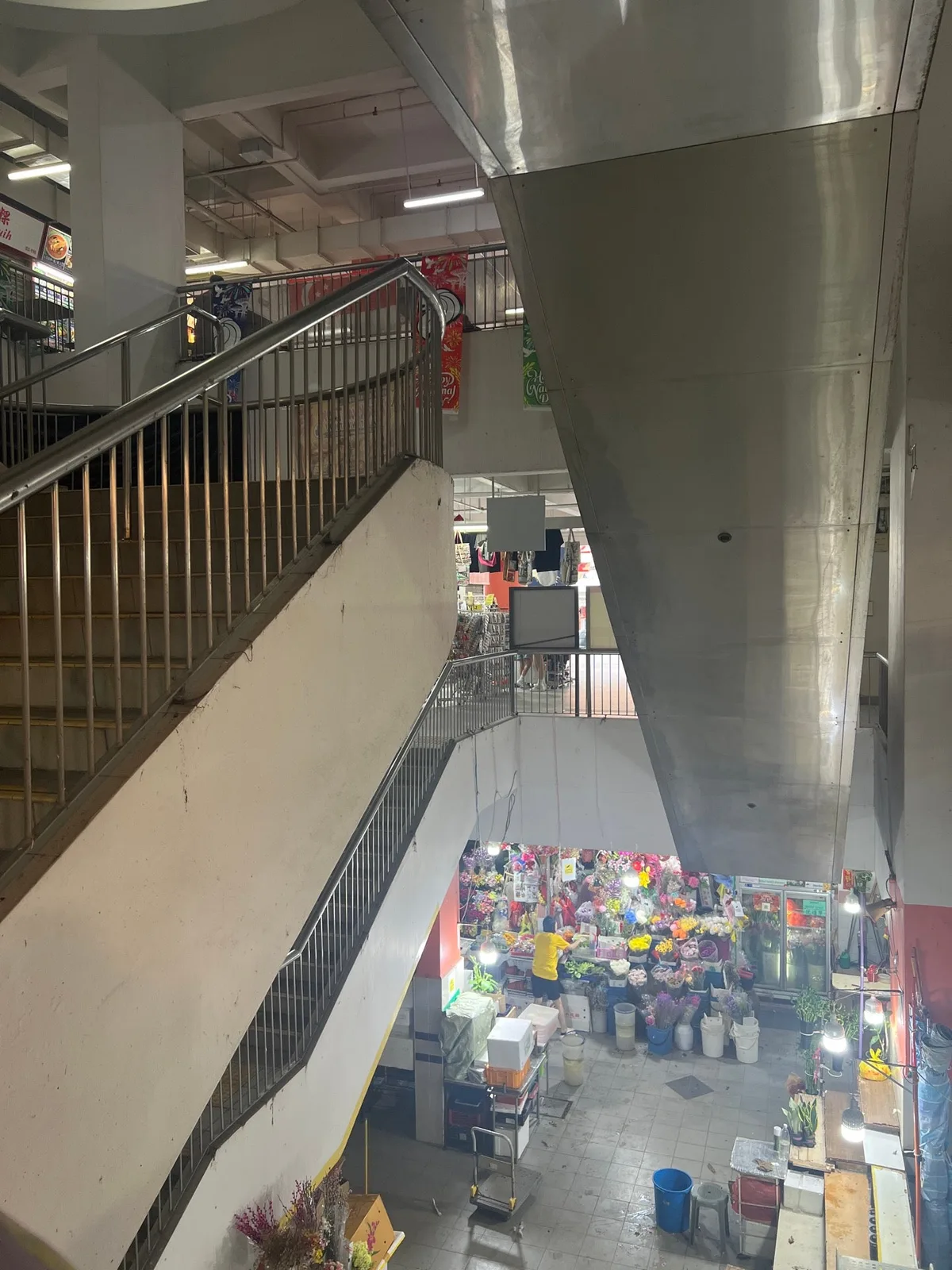
Chinatown Complex is not a polished food hall. It’s a working wet market with a sprawling hawker centre stacked above it, and that’s exactly the appeal. With hundreds of stalls spread across the second floor, it’s widely regarded as Singapore’s biggest hawker centre, and its 4.2 rating from nearly 9,000 reviews reflects sheer density of good, cheap options rather than any single showstopper. This is where you eat like the neighborhood does: fast, plastic stools, one dish at a time.
Getting there
The complex sits at 335 Smith Street, in the heart of Chinatown. The closest MRT stop is Chinatown Station (NE Line/Downtown Line), Exit A, from which it’s roughly a 5-8 minute walk down Pagoda Street and onto Smith Street. Outram Park Station (East-West/North-East/Thomson-East Coast Lines) is a slightly longer walk but an easy backup if you’re coming from that direction. Once on Smith Street, look for the market’s plain, boxy exterior. It doesn’t scream “attraction,” which is part of why first-timers sometimes walk past it.
What to eat
Head straight to the second floor for cooked food; the ground floor is the wet market (produce, meat, dry goods), worth a walk-through but not where you’ll sit down to eat. Stalls worth seeking out by name include Liao Fan Hawker Chai Tow Kway, a Michelin-recognized operation known for its char siu and soya sauce chicken rice lineage, and the perennially long-queued Hong Kong Soya Sauce Chicken Rice & Noodle stall. Both have drawn Michelin Bib Gourmand attention in past years.
Beyond the headline names, look for stalls specializing in single dishes done well: fish soup, oyster omelette, carrot cake (chai tow kway, both the black sugar-glazed and white versions), popiah, and claypot rice. As with most hawker centres, the rule of thumb is to follow the stall with the visible queue of locals, not tourists. It’s usually a sign the kitchen is turning out a single specialty fast and fresh rather than a broad, mediocre menu.
When to go
Weekday mornings before 11am are calmest, since the market and food stalls open early and the lunch office crowd hasn’t arrived yet. The worst crush is weekday lunch (12-1:30pm) and weekend late mornings, when both tourists and residents converge. A mid-afternoon visit, around 2-4pm, is the easiest window if you want to try the famous stalls without a long wait, though be aware some vendors sell out or close once their day’s batch is gone, especially the Michelin-listed ones.
How to visit like a local
Given how popular and frequently written-up this hawker centre now is, don’t expect a quiet, undiscovered find, it draws heavy tourist traffic on top of its market-day regulars, so the practical local move is timing, not secrecy. Locals eat in shifts: an early market run, then a fast lunch, rarely lingering. Payment is mostly cash at older stalls, though a growing number now accept PayNow or card via QR code, carry small bills to avoid holdups at the till.
There’s no tipping. Claim a table first if the hall is busy (leaving a packet of tissue on the seat is the customary way locals reserve a spot), then order at individual stalls and carry your own tray. There’s no table service. Split dishes across two or three stalls between your group rather than ordering a full meal from one counter; that’s how regulars sample more for less.
The most common tourist mistake is joining the longest queue on principle: some of the best food here comes from stalls with modest lines simply because they’re less Instagrammed, and prices climb faster at the famous names, so weigh a 20-minute wait against trying something less hyped nearby.
Nearby to pair with your visit
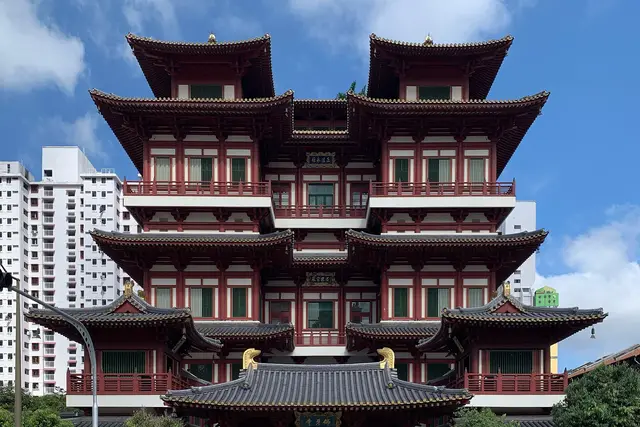
After eating, Smith Street itself (once the “Food Street” night market) leads toward Sri Mariamman Temple and Buddha Tooth Relic Temple, both a short walk away, making Chinatown Complex an easy anchor for a half-day loop through the district’s temples, souvenir shops, and Amoy Street Food Centre nearby for round two if you’re still hungry.
Frequently asked questions
How do I get to Chinatown Complex by MRT?
Take the North-East Line or Downtown Line to Chinatown Station, use Exit A, then walk about 5-8 minutes along Pagoda Street to Smith Street. Outram Park Station is a bit further but works if you're coming from the East-West or Thomson-East Coast lines.
How much should I budget for a meal here?
It's priced as a typical hawker centre (price level 2 of 4)—most individual dishes are inexpensive, and a satisfying meal sampling two or three stalls usually costs well under what you'd pay at a sit-down restaurant. Exact prices vary by stall, so check the posted menu boards.
What's the best time to visit to avoid crowds?
Weekday mornings before 11am or mid-afternoon (2-4pm) are quietest. Avoid weekday lunch (12-1:30pm) and weekend late mornings, when both the market and food stalls are at their busiest.
How long should I plan to spend there?
Budget 45-90 minutes for a meal, longer if you want to browse the ground-floor wet market or queue for a Michelin-listed stall like the soya sauce chicken rice counter.
What else is nearby to combine with a meal?
Buddha Tooth Relic Temple and Sri Mariamman Temple are both within easy walking distance, and Amoy Street Food Centre offers a second hawker option if you want to keep exploring Chinatown's food scene.
Plan your trip to Chinatown
Singapore eSIM & staying connected →
Some links above are affiliate links — if you book through them, Wander Atlas earns a small commission at no extra cost to you. It's how we keep every guide free.
Related guides
 restaurant
 Maxwell Food Centre: Where to Eat in Chinatown
 hidden gem
 Chinatown Street Market: Travel Guide (4.4★)
 attraction
 Chinatown Heritage Centre: Travel Guide
 attraction