Balinsasayao Twin Lakes Natural Park: Dumaguete Travel Guide
When to visit Philippines: month-by-month weather, crowds and holidays →
✓ Facts verified via Google Places · Sep 19, 2026
At a glance
Opening hours
- Monday: 8:00 AM – 4:00 PM
- Tuesday: 8:00 AM – 4:00 PM
- Wednesday: 8:00 AM – 4:00 PM
- Thursday: 8:00 AM – 4:00 PM
- Friday: 8:00 AM – 4:00 PM
- Saturday: 8:00 AM – 4:00 PM
- Sunday: 8:00 AM – 4:00 PM
How this guide is made
Produced with AI assistance and reviewed against live data sources. Facts such as hours, ratings, and location come from Google Places; images are licensed or public domain. Details can change — please verify before visiting. Editorial policy
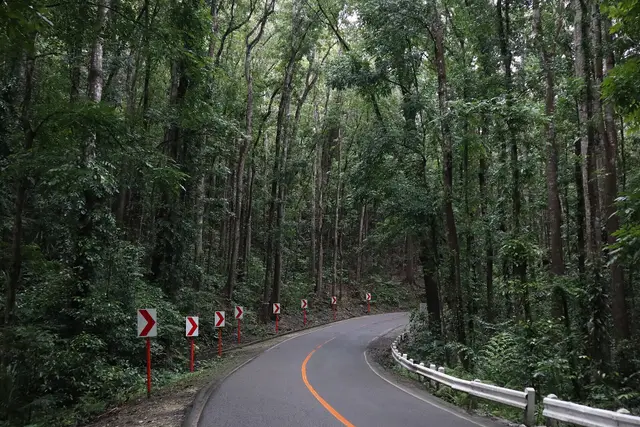
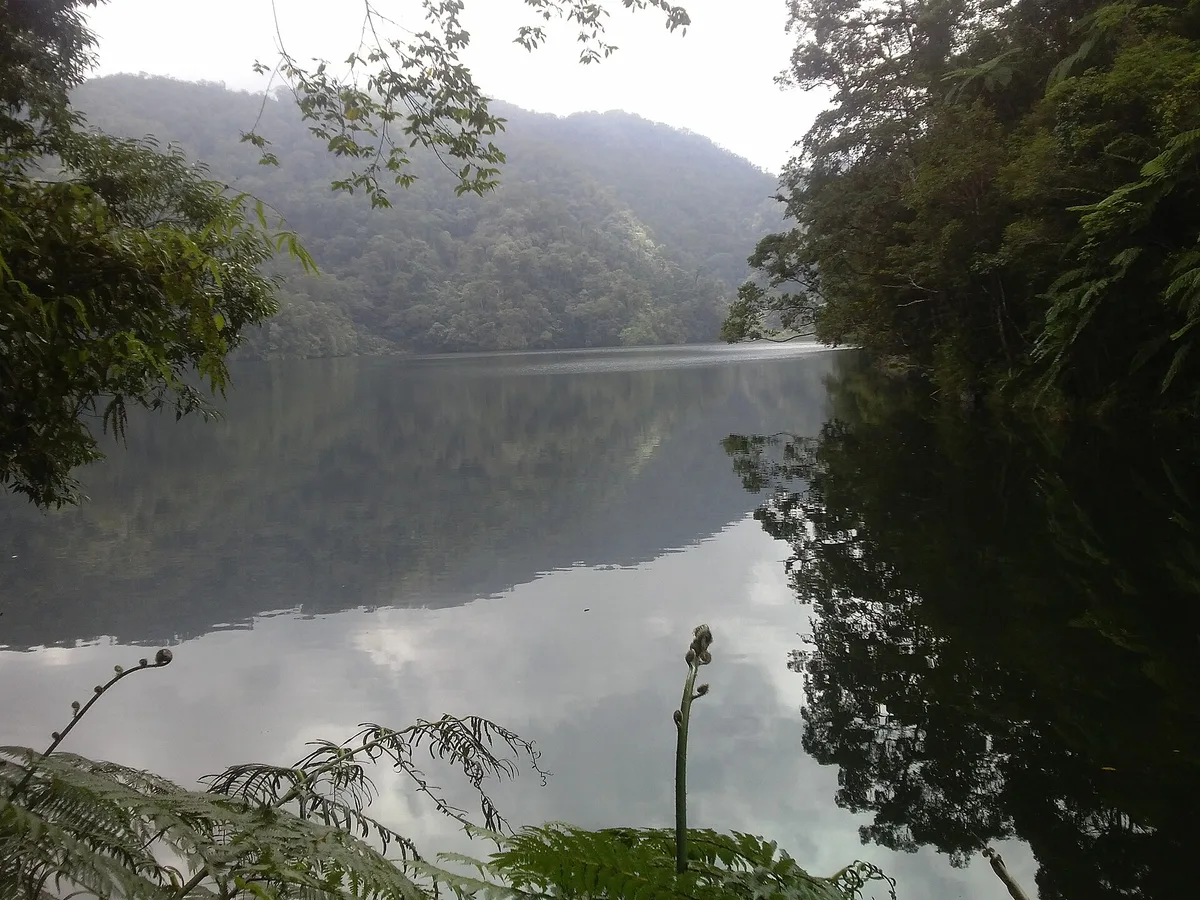
Two volcanic crater lakes sit inside old-growth forest at roughly 900 meters elevation, about 45 minutes to an hour by road from Dumaguete through Sibulan. The park protects one of the last significant rainforest patches on Negros, and it shows: the air is noticeably cooler than the coast, thick with birdsong, and the canopy overhead blocks out most direct sun on the trail down.
Getting there from Dumaguete
Most visitors start in Sibulan, catching a habal-habal (motorbike taxi) up the mountain road toward the park entrance. The road is paved for stretches then turns to rough dirt and gravel closer to the top, so a habal-habal or a hired van with a driver used to the route works better than a rental car with low clearance.
There’s a barangay checkpoint before the park proper where you register and where local guides are typically arranged. Guides aren’t strictly optional here: the trail network isn’t signposted for casual wandering, and a guide knows which sections turn slick after rain.
The walk down to the lake
From the ranger station, it’s a steep descent, roughly 20 to 30 minutes down a dirt and stone path, to reach the shore of Lake Balinsasayao. The return climb takes noticeably longer and will leave most people out of breath, so pace yourself and take the handrails on the steeper switchbacks.
The lake itself is a flat sheet of dark green water ringed by forest, with no development on the shoreline beyond a small viewing area. Swimming is generally not allowed, as the lake is a protected water source, but you can rent a small paddle boat or bamboo raft to get out on the water.
The second lake, Danao, sits further along a rougher trail and sees far fewer visitors; ask your guide whether it’s accessible on the day you go, since conditions and permissions can vary.
What actually lives here
This forest is one of the last strongholds on Negros for species found nowhere else, including several endemic birds that draw serious birdwatchers with long lenses and early alarms. Listen for hornbills moving through the canopy and keep an eye on the water’s edge for monitor lizards.
The undergrowth is dense enough that you’re unlikely to see much wildlife up close without a guide who knows where to look and when. Early morning, closer to the 8am opening, gives you the best chance before the heat of midday pushes animals deeper into cover.
Timing your visit
The park keeps the same hours every day, 8am to 4pm, with no late admission since the trail down and back needs daylight and dry footing. Because it’s still under the radar compared to Dumaguete’s coastal attractions, you can often have long stretches of the lakeside viewing area to yourself, especially on a weekday.
Rain changes everything here: the descent trail turns slippery and the lake’s mirror surface disappears under cloud and drizzle. Aim for the dry season months and an early start, since afternoon cloud is common in this part of Negros regardless of season.
Registering and paying at the gate
Expect to pay entrance, environmental, and guide fees in cash at the barangay checkpoint; card machines and ATMs do not exist on this mountain. Fees are modest but change periodically, so bring more cash than you think you’ll need and treat any figure you’ve read online as a rough guide, not a quote.
Guides are paid per group rather than per person in most cases, so traveling with two or three others brings the per-head cost down. A small tip for your guide, on top of the set fee, is customary and appreciated given how physically demanding the terrain is for them too.
Practical notes for the day
Wear real shoes with grip, not sandals; the descent path is uneven stone and packed dirt that gets slick fast.
- Bring a dry bag or plastic sleeve for phones and cameras near the boat area
- Pack water and a light snack, since there are no shops past the checkpoint
- Bring insect repellent for the forested sections
- Wear layers; it’s cooler here than in coastal Dumaguete
- Start as early in the 8am to 4pm window as your transport allows
Combine the trip with a stop in Sibulan town on the way back, since it sits directly on the route between the park and Dumaguete proper.
Frequently asked questions
How do I get to Balinsasayao Twin Lakes from Dumaguete?
Head to Sibulan first, then take a habal-habal (motorbike taxi) or a hired van up the mountain road to the park entrance. The full trip from Dumaguete typically takes 45 minutes to an hour, longer once you factor in the rough final stretch of road.
What are the opening hours?
The park is open daily from 8:00 AM to 4:00 PM, with no exceptions for late entry since the trail down to the lake needs to be walked in daylight.
Is it crowded?
It's still under-the-radar compared to Dumaguete's beach and diving spots, so you'll often find the lakeside area quiet, particularly on weekdays and in the early morning.
Do I need a guide?
Effectively yes. Guides are arranged at the barangay checkpoint before the park, and the unsigned trail network makes going without one impractical and less safe.
Can you swim in the lake?
Swimming is generally not permitted since the lake serves as a protected water source, but paddle boats or bamboo rafts are available to get out on the water.
Plan your trip to Dumaguete
Some links above are affiliate links — if you book through them, Wander Atlas earns a small commission at no extra cost to you. It's how we keep every guide free.