Why go
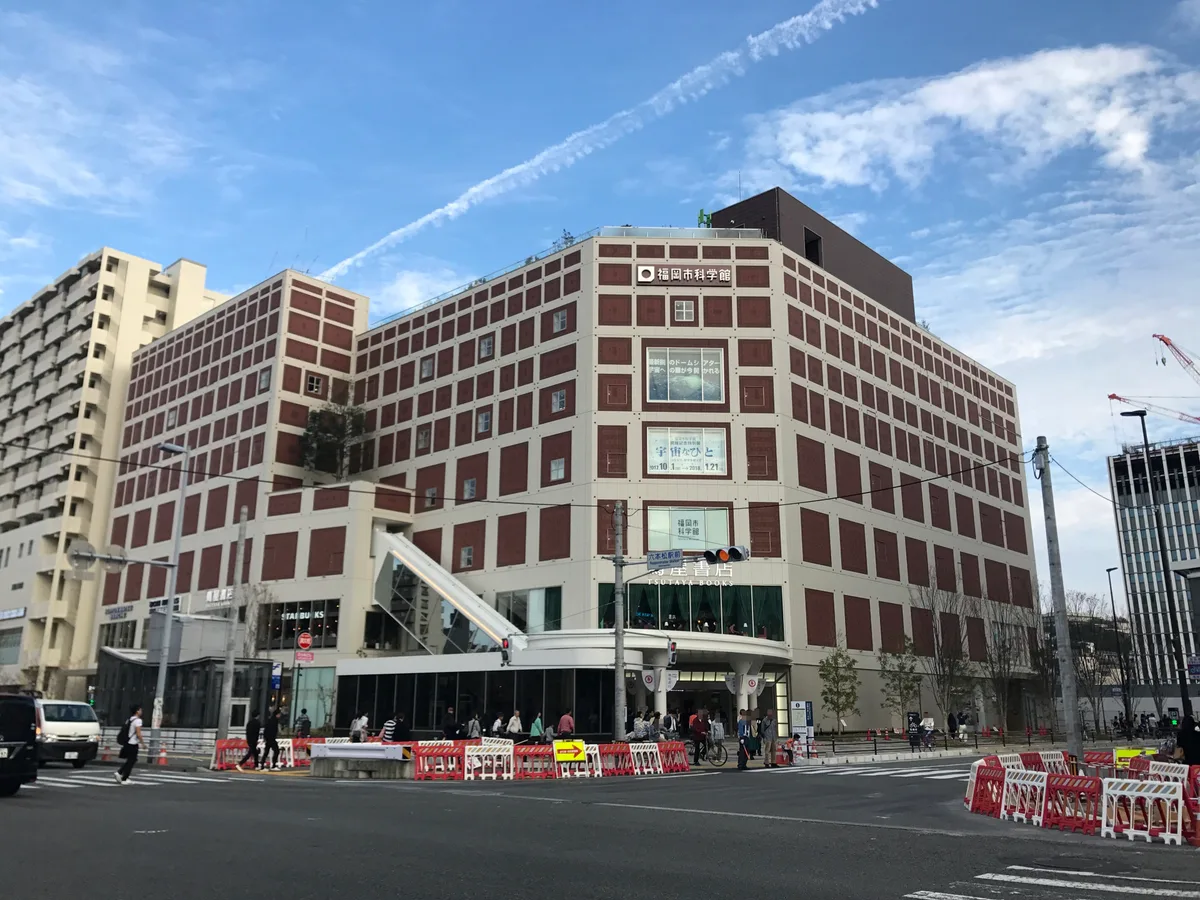
The Fukuoka City Science Museum packs a full day’s curiosity into a few well-organized floors. It’s built around hands-on exhibits rather than glass cases, so you’re pressing buttons, spinning wheels, and watching cause-and-effect play out in real time.
The building sits in Ropponmatsu, a quiet, leafy pocket of Chuo Ward that feels a world away from the neon of Tenjin or Hakata. Families make up a big share of the crowd, but the exhibits on space, physics, and the environment are detailed enough to hold an adult’s attention too.
What to see and do
The museum spreads science across multiple themed floors, and the planetarium is the anchor attraction. Dome shows here are genuinely well regarded, projecting a night sky that’s sharper and more immersive than you’d expect from a city science museum.
Beyond the dome, look for:
- Interactive physics displays where you manipulate levers, magnets, and light to see forces at work
- Exhibits on the environment and sustainability, often tied to local ecology
- Space and astronomy sections with models and scale demonstrations
- Hands-on stations built for kids but engaging enough for grown-ups to linger
Give yourself two to three hours minimum if you want both the exhibit floors and a planetarium screening. Shows run on a schedule, so check the day’s showtimes as soon as you arrive and plan your gallery time around them.

Getting there
The museum sits at 4-chōme-2-1 Ropponmatsu, a residential-feeling part of Chuo Ward. It’s a walk from Ropponmatsu Station on the Nanakuma subway line, making it an easy add-on if you’re already exploring central Fukuoka by rail.
If you’re coming from Tenjin or Hakata Station, the trip is straightforward on the subway with minimal transfers. Drivers will find parking nearby, though as with most city museums, arriving by train sidesteps any parking-lot guesswork entirely.
When to go
The museum runs 9:30am to 9:30pm every day except Tuesday, when it’s closed entirely. That long window is unusual for a Japanese museum and gives you real flexibility, including evening visits after a full day of sightseeing elsewhere.
Weekends get busy. If you can, visit on a weekday morning shortly after opening, or aim for a weekend visit right when doors open at 9:30am, before the late-morning rush builds.
Evenings on weekdays tend to be calmer too, since the extended hours mean the after-work and after-school crowd spreads out rather than clustering at midday.
How to visit like a local
Buy tickets at the counter on arrival rather than expecting an English-heavy online booking system. Cash and card are both commonly accepted at Fukuoka museums, but carrying some cash is still a sensible backup.
Locals treat the planetarium as the main event, so check showtimes first and build your gallery browsing around the gaps between screenings. The most common visitor mistake is wandering the exhibit floors first and missing the show they actually came for.
Since this is a well-known, well-visited museum rather than an under-the-radar spot, don’t expect quiet galleries at midday. Weekday mornings right after the 9:30am opening are your best shot at empty hands-on stations, especially on the floors popular with school groups later in the day.
Signage leans toward Japanese, though many interactive displays are visual enough to follow without translation. If you’re visiting with kids, the environment and physics floors tend to hold their attention longest, so save the denser space-science panels for a slower browse near the end of your visit.
Remember it’s closed all day Tuesday, a schedule quirk that catches out plenty of visitors who assume standard weekday hours apply.
Frequently asked questions
What are the opening hours?
Open 9:30am–9:30pm every day except Tuesday, when the museum is closed entirely.
How do I get to the Fukuoka City Science Museum?
It's a walk from Ropponmatsu Station on the Nanakuma subway line, in Chuo Ward's Ropponmatsu neighborhood, easily reached from Tenjin or Hakata Station.
How long should I plan to spend there?
Two to three hours covers both the exhibit floors and a planetarium show; check showtimes on arrival since screenings run on a set schedule.
When is the best time to visit to avoid crowds?
Weekends stay busy from 11am to 8pm, so go on a weekday morning or arrive right at 9:30am opening on weekends.
Is the museum good for kids?
Yes, the hands-on physics, environment, and space exhibits are designed for interaction and hold kids' attention well, alongside a well-regarded planetarium.
Plan your trip to Fukuoka
Japan eSIM & staying connected →
Some links above are affiliate links — if you book through them, Wander Atlas earns a small commission at no extra cost to you. It's how we keep every guide free.