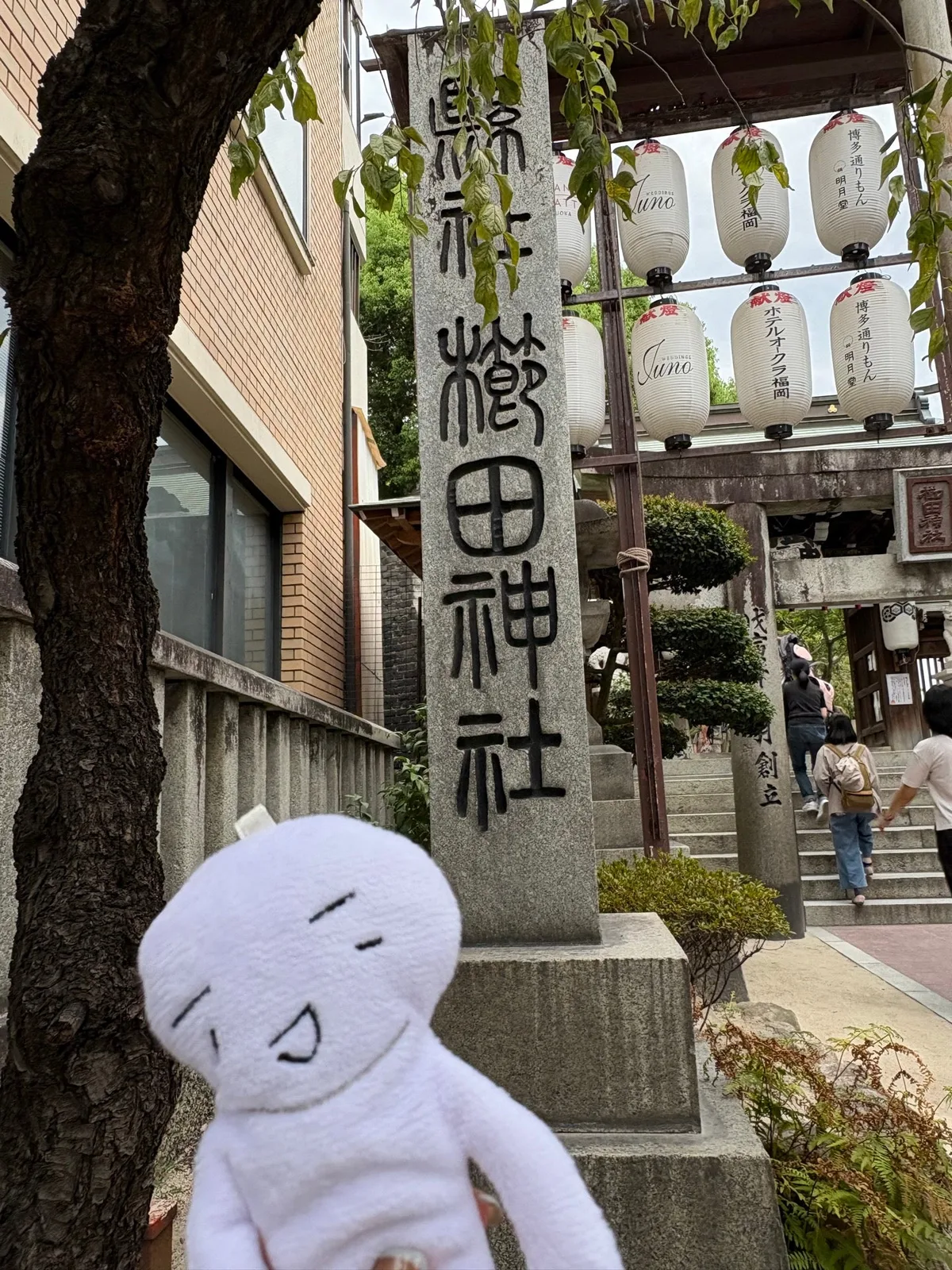
You smell the incense before you see the gate. Duck off the covered arcade of Kawabata Shopping Street and Kushida Shrine appears almost suddenly, a compact stone torii, a low tiled roof, and the low murmur of a city that’s been praying here since 757 CE.
This is Hakata’s guardian shrine, and it doesn’t need a grand approach to prove it. The precinct is small enough to take in at a glance, but every corner holds something worth slowing down for.
Why Kushida Shrine matters
Locals call the whole surrounding district “Hakata,” and this shrine is its spiritual anchor. It’s the starting point and beating heart of Hakata Gion Yamakasa, Fukuoka’s largest festival, held every July.
Teams of men in loincloths race one-tonne wooden floats through the streets, finishing at Kushida’s gate at dawn on the final day. Even outside festival season, a decorated Yamakasa float is often on permanent display in a glass case near the entrance, a good ten feet tall, gilded and carved with fierce painted figures.
What you’ll actually see
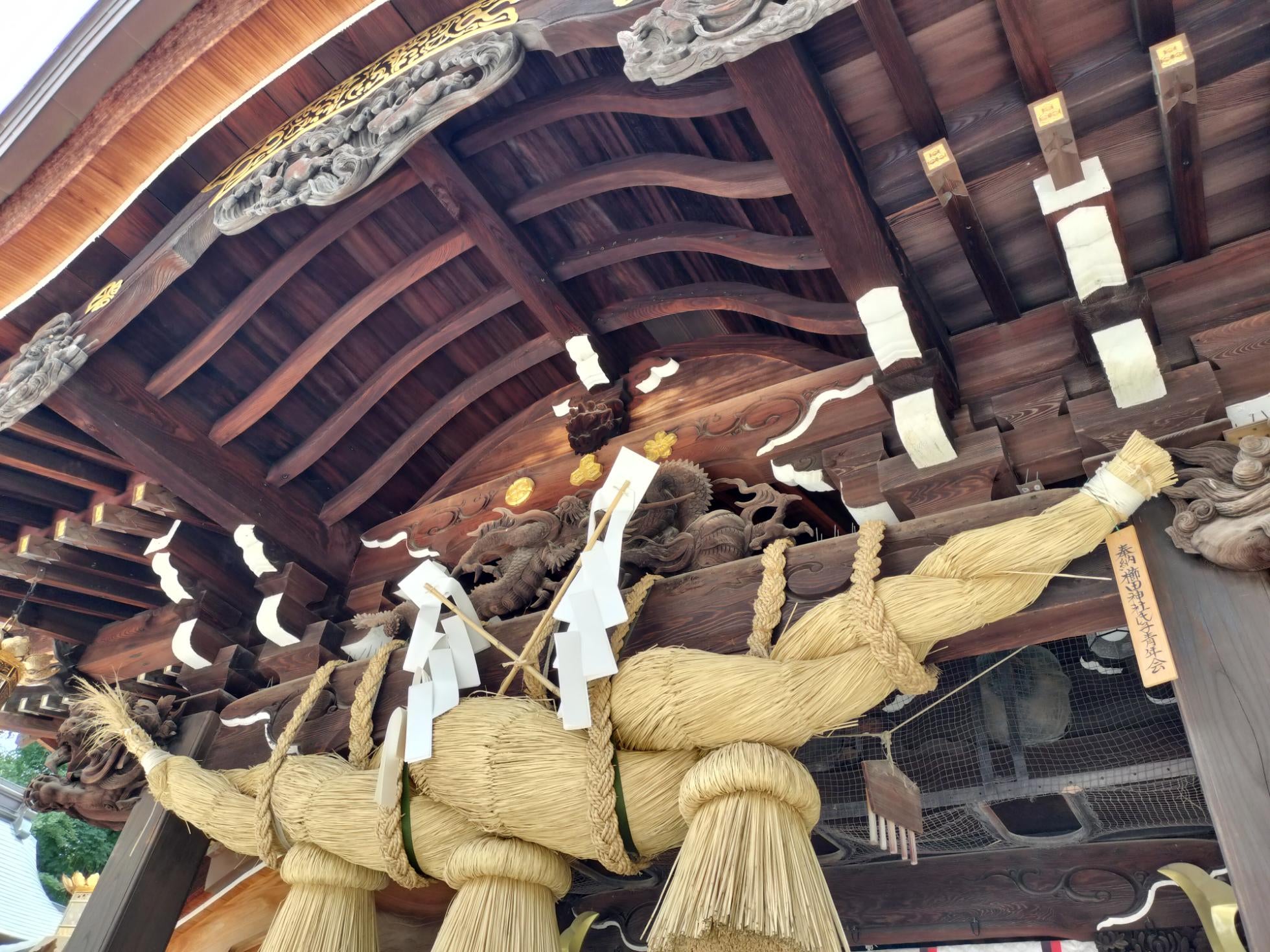
The main hall is modest by shrine standards, dark wood softened by decades of visitors’ hands and incense smoke. Look for the carved zodiac panels above the offering hall, said to help you find your own birth-year animal.
In the corner of the grounds stands a giant ginkgo tree, reportedly centuries old, its roots buckling the stone paving. Small side shrines dot the compound, tucked between the main hall and the perimeter wall.
Pick up an omikuji fortune slip at the counter near the entrance. Many visitors also buy a small omamori charm. The market-and-business ones are popular here, since Kushida has long been the patron shrine of Hakata’s merchants.
Getting there
Kushida Shrine sits at 1-41 Kamikawabatamachi in Hakata Ward, right by Kawabata Shopping Street. The closest station is Nakasu-Kawabata on the Fukuoka City Subway Kūkō Line, about a five-minute walk from Exit 5.
If you’re coming from Canal City Hakata, it’s an easy 10-minute stroll north through the arcade. Hakata Station itself is about 15 minutes on foot, or one quick subway stop.
There’s no dedicated visitor parking, so subway or on-foot is simplest if you’re staying central.
When to go
The shrine is open daily from 9am to 5pm, and there’s no need to rush, 20 to 30 minutes covers the grounds comfortably. Foot traffic is lightest between 9am and 10am on both weekdays and weekends, which is the best stretch for photos without a crowd in frame.
Weekend afternoons, especially 11am to 4pm, draw the heaviest numbers, so try to avoid that window if you can. Early July is a different experience entirely, when the Yamakasa festival floods the surrounding streets, thrilling to witness, but not a quiet visit.
How to visit like a local
Kushida Shrine is genuinely popular, not a quiet back-alley find, so timing your visit matters more than seeking out a “secret” entrance.
- Arrive right at 9am opening or shortly after. That’s the calm window before tour groups and shoppers from Kawabata arrive.
- Bow once at the torii before walking through, and again at the main hall before ringing the bell and clapping to pray, standard Shinto etiquette, not performative.
- Cash is easiest for omikuji and omamori purchases at the small shrine counters; many don’t take cards.
- Combine your visit with the covered Kawabata Shopping Street next door, one of Hakata’s oldest arcades, rather than treating the shrine as an isolated stop.
- Don’t just glance at the Yamakasa float case and move on, the painted figures reward a slow look, and small placards nearby explain the festival’s history.
The mistake most first-time visitors make is treating this as a five-minute photo stop between Canal City and Hakata Station. Give it the fuller half hour, and it earns the detour.
Frequently asked questions
How do I get to Kushida Shrine from Hakata Station?
It's about a 15-minute walk, or one stop on the Fukuoka City Subway Kūkō Line to Nakasu-Kawabata Station, then a 5-minute walk from Exit 5.
What is the quietest time to visit Kushida Shrine?
Between 9am and 10am, on both weekdays and weekends, is the calmest window. Weekend afternoons from 11am to 4pm are the busiest, so avoid that period if you can.
Is there an entrance fee?
The shrine grounds are free to enter. You'll pay a small amount only if you buy an omikuji fortune slip or an omamori charm, and cash is the easiest way to pay.
How long should I plan to spend there?
Most visits take 20 to 30 minutes, a bit longer if you linger at the Yamakasa float display or explore the side shrines.
Is Kushida Shrine worth visiting outside festival season?
Yes — a full-size decorated Yamakasa float is usually on permanent display near the entrance, so you get a sense of the festival even outside July.
Plan your trip to Fukuoka
Japan eSIM & staying connected →
Some links above are affiliate links — if you book through them, Wander Atlas earns a small commission at no extra cost to you. It's how we keep every guide free.