The night the Old Town dims its lights
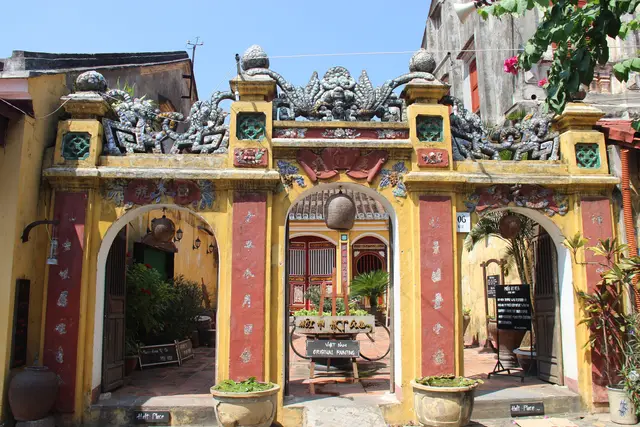
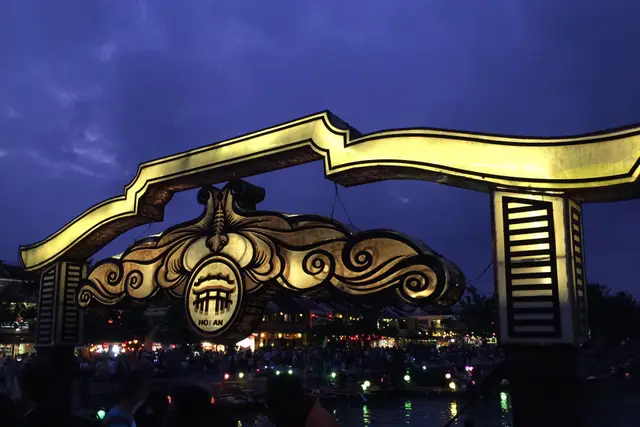
The yellow walls go amber after dark. On festival night, the Old Town turns down its electric light and lets silk lanterns do the work. The lanterns hang in strings across the lanes and pool in clusters outside the shopfronts. On the Thu Bon River, small candle-lit paper lanterns drift past the wooden sampans.
The town is the setting here. Hoi An Ancient Town has been a UNESCO World Heritage Site since 1999. Its merchant houses, assembly halls and tiled roofs survive from centuries as a trading port. The festival adds no stage and no headliner. It slows the place down, and that is the point of it.
The 14th night: how the date works
The festival follows the moon, not the Gregorian calendar. It falls on the 14th day of each lunar month, the night before the full moon. It comes round roughly every four weeks, so if you miss one, another is never far off.
The date listed for this edition is October 15, 2026. Lunar dates are easy to misread when you convert them, so check this one against the official Hoi An tourism calendar before you book anything that can’t be refunded.
A few things to know about the timing:
- It happens every month, all year round. It is not a once-a-year event.
- Bigger lunar holidays, like Tết and the Mid-Autumn Festival, bring their own extra lantern displays on top of the monthly night.
- The atmosphere builds from dusk. A lantern festival has little to offer in daylight.
Where it happens: the riverfront and the Old Town lanes
There is no single venue with a gate. The festival spreads through the pedestrian streets of the Old Town and gathers along the Thu Bon River. That is where most people end up.
These are the places to know:
- Bach Dang Street, the riverside road where lantern sellers and boat operators wait along the embankment.
- The Japanese Covered Bridge (Chùa Cầu), the town’s best-known landmark, at the western end of Tran Phu Street.
- An Hoi Bridge, which takes you across to An Hoi islet and its night market, with a view back over the water.
- Nguyen Thai Hoc and Tran Phu streets, lined with old shophouses and assembly halls under hanging lanterns.
Motorbikes and cars are kept out of much of the core at night, so you’ll move on foot. Plan to be shoulder to shoulder on the bridges.
Floating a hoa đăng
This is the ritual everyone comes for. A hoa đăng is a small paper lantern, often folded into a lotus shape, with a candle set inside. You light it, make a wish, and set it on the river.
Sellers along the embankment will light the candle and pass the lantern to you. You can lean down from the riverbank steps and lower it onto the water. Or you can take a short sampan ride and release it from the boat, which is how the river ends up full of small lights.
Hold the lantern low and level as you let go. A tilted candle sets the paper alight before it has floated a metre. If you’d rather not add to the paper and wax on the river, just watching from An Hoi Bridge gives you the full effect.
Lanterns, boats and paying on the riverbank
Most money changes hands in cash, in Vietnamese dong. Lantern sellers and sampan operators take small notes. Card machines are rare at the water’s edge, so get cash from an ATM in town before dark.
Here is how the riverside works:
- Boat rides are arranged on the spot. Operators along Bach Dang Street will call out to you. Agree on the price and the length of the ride before you step aboard.
- Lantern prices are set by the seller. Ask before taking one. Polite bargaining is normal, especially if you’re paying for a boat and lanterns together.
- The Old Town ticket is separate. The heritage-zone entry ticket is sold at booths on the edges of the Old Town, and the current price is posted there. It also gets you into a set number of historic sites.
- No festival ticket exists. Ignore anyone selling “festival passes”. Walking the streets and riverbank costs nothing beyond the Old Town ticket.
Get to the river early in the evening if you want a spot on the embankment steps. They fill up first. Step aside for the sampans tying up, and don’t stand on mooring ropes.
Getting to Hoi An for the evening
The nearest airport is Da Nang International Airport, about 30 km north. By car or taxi it takes roughly 45 minutes, along the coast road past the beaches.
Once you’re in town, your options are:
- Walk if you’re staying in or near the Old Town. This is the easiest choice on festival night.
- Cycle in from An Bang or Cua Dai beach. Many hotels lend bicycles, and there’s parking on the edge of the pedestrian zone.
- Take a taxi or ride-hailing car to the edge of the Old Town and walk the last stretch, since vehicles can’t go into the core.
Coming from Da Nang just for the evening? Arrange your return ride in advance. Getting a car at the edge of the Old Town is harder late on a festival night.
Before the lanterns: filling the afternoon
Come in the late afternoon and use the daylight for things that don’t need the dark. The Old Town ticket covers a choice of sights, including old merchant houses such as Tan Ky House and the Chinese assembly halls on Tran Phu Street, such as the Fujian Assembly Hall.
Then eat before the riverbank gets crowded. These are Hoi An’s local dishes to look for:
- Cao lầu, thick noodles with pork and greens, closely tied to the town.
- Bánh mì, which Hoi An’s bakeries take seriously.
- White rose dumplings (bánh bao bánh vạc), delicate shrimp dumplings.
After the lanterns, the An Hoi night market stays busy with food stalls and lantern stands. It’s a good place to buy a folding silk lantern to take home, packed flat for your bag.
Frequently asked questions
When is the Hoi An Lantern Festival in 2026?
It's held on the 14th day of every lunar month. This edition is listed for October 15, 2026. The date comes from the lunar calendar, so confirm it on the official Hoi An tourism site before you book travel.
Do I need a ticket for the Hoi An Lantern Festival?
There's no separate festival ticket. The standard Hoi An Old Town entry ticket covers the heritage zone and is sold at booths on the edges of the Old Town, where the current price is posted. Boat rides and floating lanterns are paid for separately, in cash, to the riverside vendors.
Where is the best place to watch the lanterns?
The Thu Bon riverfront along Bach Dang Street, An Hoi Bridge and the area around the Japanese Covered Bridge give the best views. A short sampan ride puts you out on the water among the floating lanterns.
How do I get to Hoi An from Da Nang?
Da Nang International Airport is about 30 km away, roughly 45 minutes by car or taxi. Vehicles are kept out of the Old Town core at night, so get dropped at the edge and walk in. Arrange your return ride in advance.
How long should I spend at the festival?
Plan on a full evening. Arrive in the late afternoon to see the Old Town sights in daylight and eat. Then stay from dusk for the lanterns and the An Hoi night market.
Plan your trip to Hoi An
Some links above are affiliate links — if you book through them, Wander Atlas earns a small commission at no extra cost to you. It's how we keep every guide free.