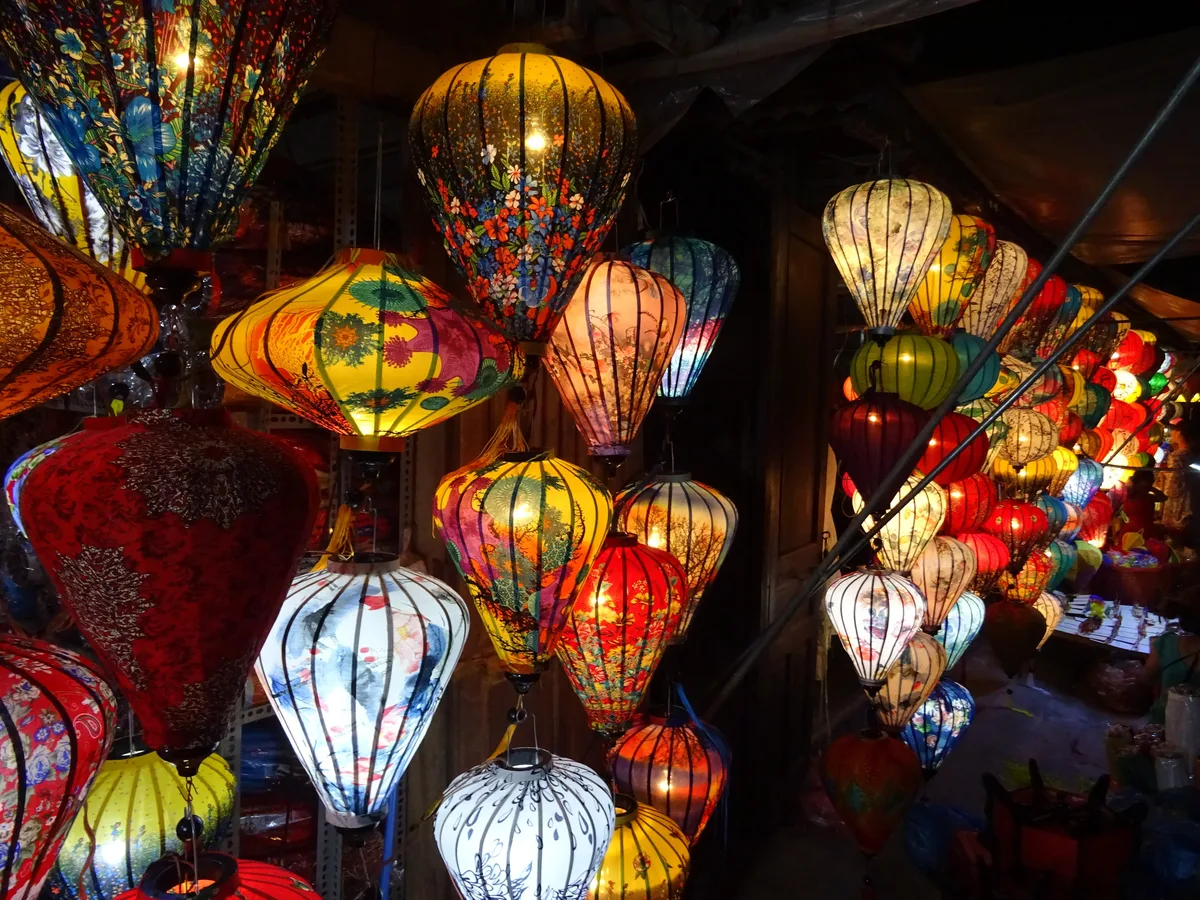
Four nights in a lantern town
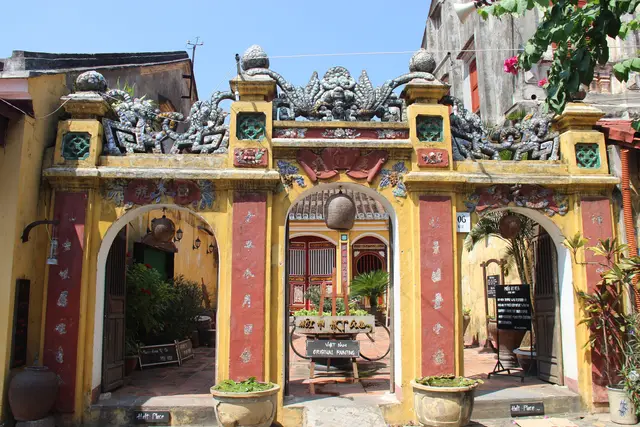
Hoi An already lives by lantern light. Every evening the Ancient Town’s yellow-walled shophouses hang silk lanterns from their eaves, and the Thu Bon River carries their reflections past the waterfront.
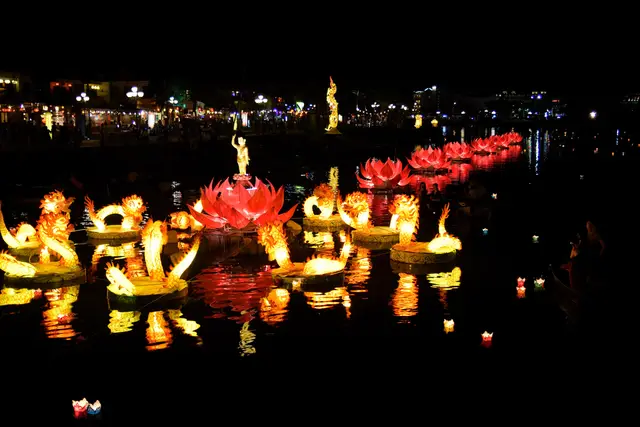
From December 3 to 6, 2026, the town adds something new. The Hoi An International Lantern Festival is the first international lantern festival held here. Instead of the familiar rows of small lanterns, it centres on roughly 15 large lantern installations.
That difference matters. Hoi An’s everyday lanterns are small, hand-sized globes. A festival built around big installations turns a craft you usually see on a shop’s hook into something you walk around and stand under.
What the four days hold
The programme has four main parts:
- An opening ceremony to start the festival
- Around 15 large lantern installations, on display for the run of the event
- Workshops, built around the lantern craft
- A lantern procession, the moving centrepiece
The organiser publishes the venue, the order of events and the ticket links on its official site. Those pages are the reference for which night the ceremony and procession fall on. This guide doesn’t guess at times or prices.
Four days gives you room. Most visitors who come for one night of a festival like this watch the installations after dark. They usually save a daylight slot for a workshop, when the Old Town’s lanes are easier to move through.
Silk, bamboo and the full-moon habit
Lanterns were not brought in for the festival. Hoi An was a trading port from the 15th to the 19th centuries, and Chinese and Japanese merchants settled along its river. The lantern-making tradition grew out of that mix.
A classic Hoi An lantern is coloured silk stretched over a folding bamboo frame. Workshops in town still make them by hand. Many shops let you watch the frames being bent and the fabric glued on.
The town also has its own lantern ritual. On the 14th day of each lunar month, the full-moon night, the Ancient Town traditionally dims its electric lights. Paper lanterns and candles take over, and people set small floating lanterns on the Thu Bon for luck.
The International Lantern Festival is a separate event from that monthly night. It runs on fixed calendar dates rather than the lunar one. The two share a stage, though: the same streets, river and craft, at a much bigger scale.
Reaching Hoi An in early December
Hoi An has no airport of its own. Most international visitors fly into Da Nang International Airport, about 30 km north. The drive down the coast takes around 45 minutes.
Travellers usually cover that stretch by:
- Hotel transfer, which many Hoi An hotels arrange
- Grab, the ride-hailing app that works across Da Nang and Hoi An
- Metered taxi from the airport rank
The festival crowd tends to stay inside or close to the Ancient Town, so the evenings are walkable. Others pick the beach strips at An Bang or Cua Dai. Those are a short taxi or bicycle ride from the centre.
December weather on the river
Early December is the tail end of central Vietnam’s rainy season. Showers are common and the evenings are cooler than in the summer months. Seasoned visitors carry a light rain jacket rather than an umbrella, because umbrellas jam in narrow lanes.
Rain also changes how lanterns look. Wet stone paving reflects the light, and silk lanterns glow softer through a fine drizzle. The large installations are built to be seen at night, so a damp evening doesn’t spoil the main show.
Riverfront flooding in central Vietnam usually peaks in October and November. In some years, though, the Thu Bon still runs high in December.
Walking the Old Town on festival nights
The Ancient Town has been a UNESCO World Heritage Site since 1999. It has its own rules that hold on festival nights too.
The streets are for walking. In the evening, cars and most motorbikes are kept out of the central lanes. Visitors leave transport at the edge and go in on foot. Bicycles are common earlier in the day.
The heritage ticket is a separate thing. Entry to the Old Town’s heritage sites, such as the assembly halls, old houses and the Japanese Covered Bridge, runs on its own ticket. Booths at the edges of the old quarter sell it. That ticket has nothing to do with any festival tickets, which come through the organiser.
How people pay. Street stalls, boat rowers and small lantern shops mostly take Vietnamese dong in cash. Hotels and larger restaurants take cards. Tipping isn’t a deep tradition, but rounding up for a boat rower or a guide is welcome.
Haggling for lanterns. The word for lantern is đèn lồng. Lantern shops along the river and on An Hoi islet expect some friendly bargaining, especially if you buy several. Folding bamboo frames pack flat, which is why so many visitors take a few home.
Dress for temples. Assembly halls and pagodas are working places of worship. Covered shoulders and knees are the norm inside.
On the water. Small wooden boats take passengers out on the Thu Bon after dark. People traditionally float a paper candle lantern from the boat and make a wish. Most riders agree the rate with the rower before stepping in.
Around the lanterns: bridge, islet and bowls of cao lầu
The Japanese Covered Bridge, Chùa Cầu, is the Old Town’s best-known landmark. It was built by the Japanese community in the late 16th or early 17th century, and its image is on the 20,000 dong note.
Across a footbridge from the main waterfront, An Hoi islet hosts the night market. It is lined with lantern stalls and is one of the most photographed stretches of the river after dark.
Between festival sessions, the town’s own dishes do the job:
- Cao lầu: thick, chewy noodles with pork and greens, the dish most tied to Hoi An
- Bánh mì: the town’s baguette sandwiches are known across Vietnam
- White rose dumplings (bánh bao bánh vạc): translucent shrimp dumplings shaped like petals
- Mì Quảng: turmeric noodles in a small amount of rich broth, from the surrounding Quang Nam province
A good festival night usually combines all of these. People eat in the lanes, watch the river at An Hoi, then walk on to the big installations.
Frequently asked questions
When is the Hoi An International Lantern Festival?
It runs from December 3 to 6, 2026, in Hoi An, Vietnam. It is the first international lantern festival held in the town.
Where is the venue and how do festival tickets work?
The organiser publishes the venue, programme and ticket links on its official site. Festival tickets are separate from the Hoi An Ancient Town heritage ticket. That one is sold at booths around the old quarter and covers the heritage houses and assembly halls.
What happens at the festival?
There is an opening ceremony, roughly 15 large lantern installations, lantern workshops and a lantern procession, all spread over four days.
How do I get to Hoi An for the festival?
Most visitors fly into Da Nang International Airport, about 30 km north. From there it is roughly a 45-minute drive by hotel transfer, Grab or taxi.
Is this the same as Hoi An's monthly full-moon lantern night?
No. The monthly lantern night falls on the 14th day of each lunar month, when the Old Town dims its electric lights. The International Lantern Festival runs on fixed calendar dates, December 3–6, 2026.
Plan your trip to Hoi An
Vietnam eSIM & staying connected →
Some links above are affiliate links — if you book through them, Wander Atlas earns a small commission at no extra cost to you. It's how we keep every guide free.