Sanbanggulsa Temple: Jeju Travel Guide (4.2★)
When to visit South Korea: month-by-month weather, crowds and holidays →
✓ Facts verified via Google Places · Aug 9, 2026
At a glance
How this guide is made
Produced with AI assistance and reviewed against live data sources. Facts such as hours, ratings, and location come from Google Places; images are licensed or public domain. Details can change — please verify before visiting. Editorial policy
Why go
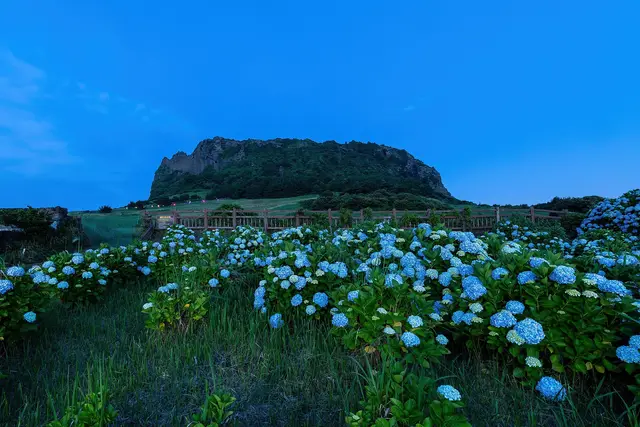
Sanbanggulsa isn’t a temple complex so much as a single sacred cave, hollowed into the face of Sanbangsan, a lava dome that rises straight out of the fields near Jeju’s southwest tip. You come for the setting as much as the shrine itself.
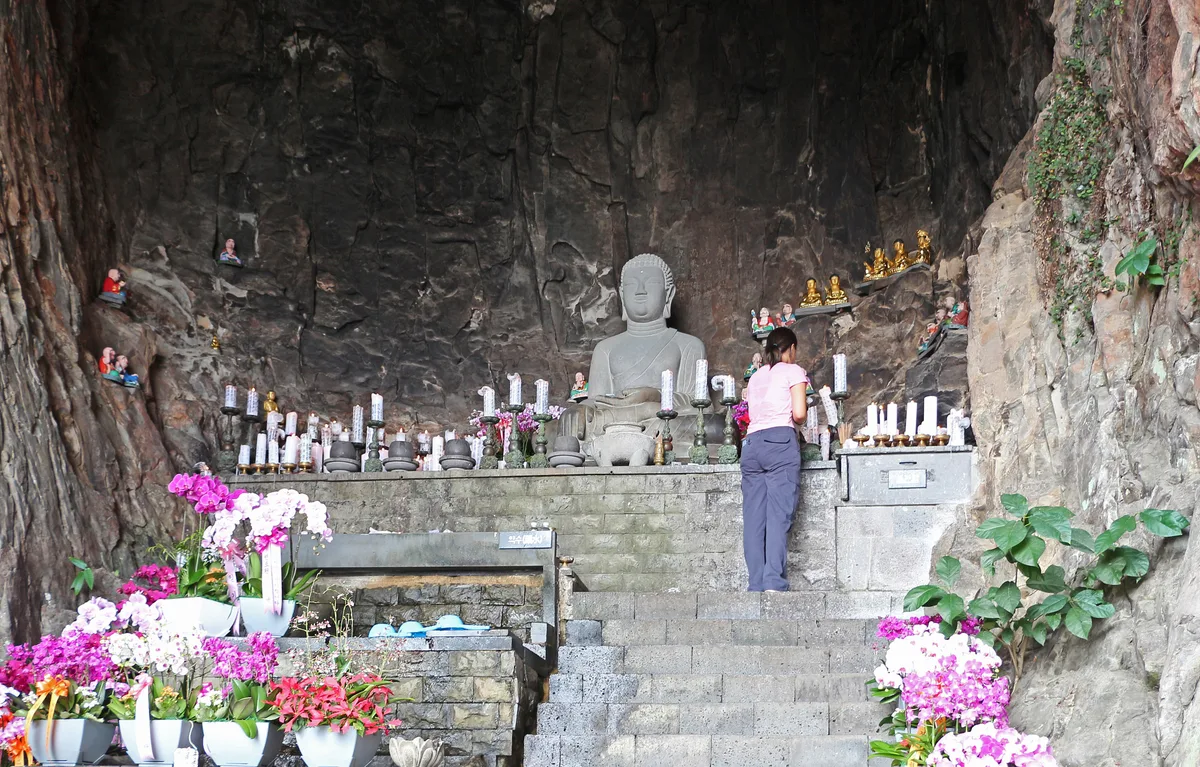
The grotto sits about 200 steps up the cliff, and a stone Buddha occupies the back wall where mineral-rich water drips steadily from the ceiling. Locals have long treated those drops as a sign of the mountain’s spiritual charge, and monks are said to have used this cave for meditation centuries before any building went up around it.
Getting there
The temple sits at 218-12 Sanbang-ro in Seogwipo, on Jeju’s southwest coast. Most visitors arrive by rental car or taxi, since public buses to this stretch of coast run infrequently.
If you’re driving from Jeju City, it’s roughly an hour along the coastal or cross-island routes, and there’s a paid parking lot at the base of the mountain. Sanbanggulsa shares an entrance area with Yongmeori Coast, so you’ll likely see both signposted together as you approach.
What to see
The main event is the climb itself, a stepped stone path that switches back up the cliff face, past small shrines and offering spots, before reaching the cave mouth. Inside, the air turns cool and mineral-smelling, and the Buddha statue sits almost swallowed by shadow except where a shaft of daylight catches it.
From the cave’s ledge, the view opens out over the fields below toward the sea, on a clear day you can pick out Yongmeori’s dark volcanic rock shelf and the water beyond.
Just downhill, Yongmeori Coast is worth folding into the same visit:
- A wave-battered shoreline of layered volcanic tuff, exposed by tidal erosion
- A walking path along the rocks (sometimes closed at high tide or after storms. Check conditions locally)
- A full-scale replica of Hendrick Hamel’s shipwrecked Dutch vessel, marking the 17th-century castaway’s landing here
When to go
Spring and autumn bring the mildest weather for the climb, without the damp heaviness of Jeju’s summer monsoon season. Midday sun on the exposed steps can be brutal in July and August, so aim for morning or late afternoon regardless of season.
Because Sanbanggulsa is under the radar compared to Jeju’s headline sights, you’re unlikely to fight real crowds here even on a weekend. Tour buses do pass through en route to Yongmeori, so a quieter early slot still makes the cave itself feel calmer.
How to visit like a local
Wear shoes with real grip. The stone steps get slick when wet, and there’s no railing for most of the climb. Budget 45 minutes to an hour total, a bit longer if you’re walking the Yongmeori shoreline afterward.
Entry involves a small admission fee, usually covering both the temple and the coastal path, paid by cash or card at the ticket booth, confirm current pricing before you go since it does shift.
- Bow or pause quietly if you reach the cave while someone is praying
- Keep voices low near the shrine itself, even though the setting draws camera-toting visitors
- Skip flash photography of the statue, natural light is dim, but it’s a working shrine, not a museum piece
Locals treat the mountain itself, Sanbangsan, as one of Jeju’s more striking natural landmarks, so it’s common to see people simply photographing the cliff from the parking area without ever climbing up. If you have limited mobility, that ground-level view is a legitimate way to experience the site.
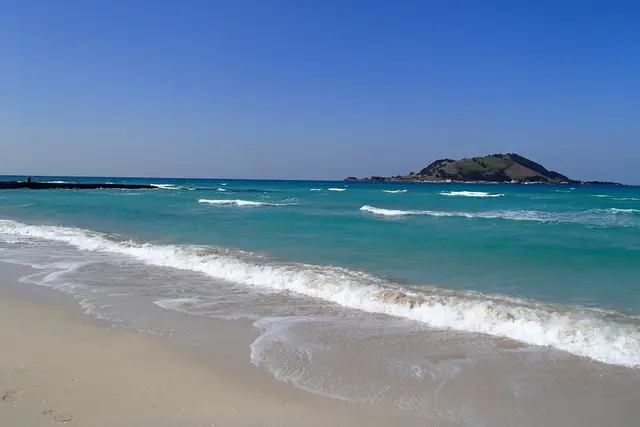
Pair the visit with nearby Sagye Beach or the short drive to Songaksan for a fuller half-day loop along this coast.
Frequently asked questions
How long should I spend at Sanbanggulsa?
About 45 minutes to an hour for the cave and climb, plus extra time if you walk the adjacent Yongmeori Coast path.
Is there an entrance fee?
Yes, a small admission fee typically covers both Sanbanggulsa and the Yongmeori Coast area — confirm the current price at the ticket booth since fees can change.
What's the best time to visit to avoid crowds?
Sanbanggulsa stays fairly quiet even on weekends since it's less trafficked than Jeju's major sights, but early morning or late afternoon avoids the tour buses heading to Yongmeori.
How do I get to Sanbanggulsa without a car?
Public buses run infrequently to this part of Jeju's southwest coast, so most visitors arrive by rental car or taxi from Jeju City or Seogwipo.
What else is nearby?
Yongmeori Coast's volcanic rock shelf sits right below the temple, and Sagye Beach and Songaksan are both a short drive away for a longer coastal loop.
Plan your trip to Jeju
Some links above are affiliate links — if you book through them, Wander Atlas earns a small commission at no extra cost to you. It's how we keep every guide free.