Why go
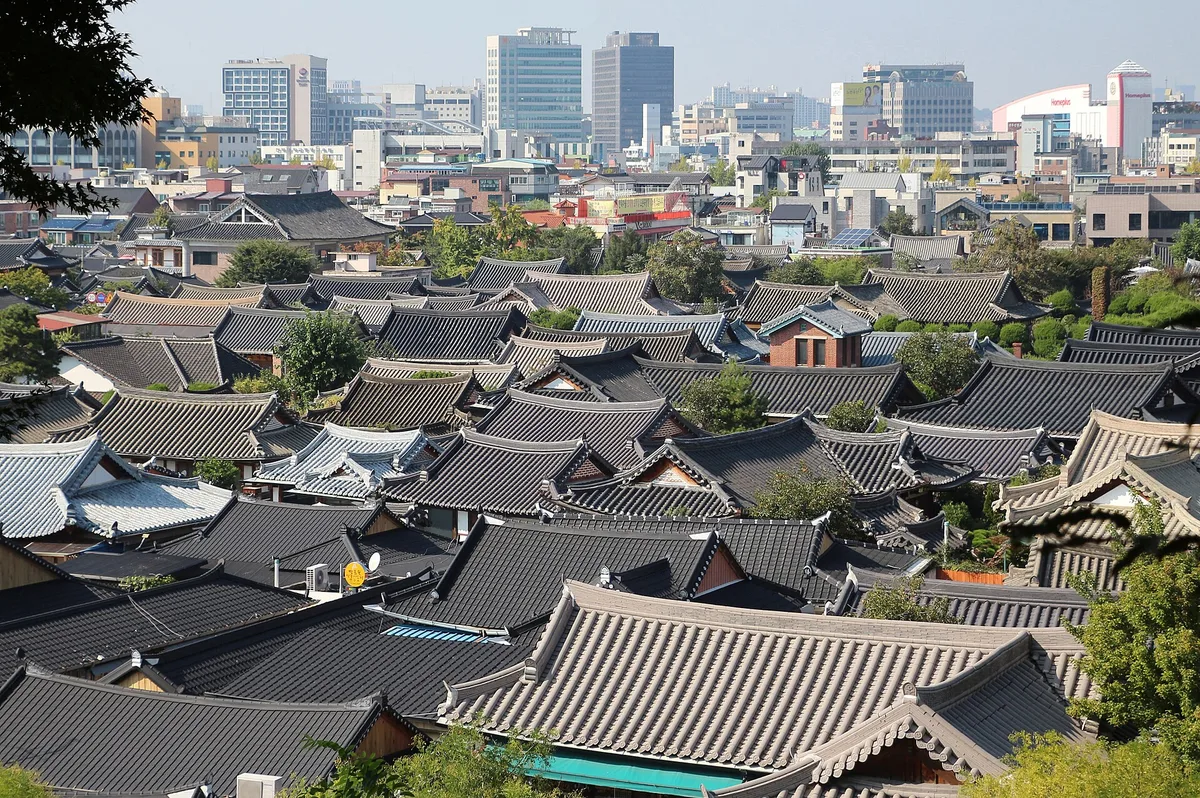
Jeonju Hanok Village is the best place in Korea to see traditional hanok architecture at scale rather than in isolated pockets. Roughly 800 hanok buildings sit clustered across the Pungnam-dong and Gyo-dong neighborhoods, many still functioning as homes, guesthouses, teahouses, and craft workshops rather than museum pieces. Jeonju itself has long been considered the spiritual home of Korean cuisine and Confucian heritage.
This is the birthplace of the Jeonju Yi clan, ancestors of the Joseon dynasty’s royal family, which is why the village sits directly beside Gyeonggijeon Shrine, built in 1410 to house a portrait of King Taejo, the dynasty’s founder.
Getting there
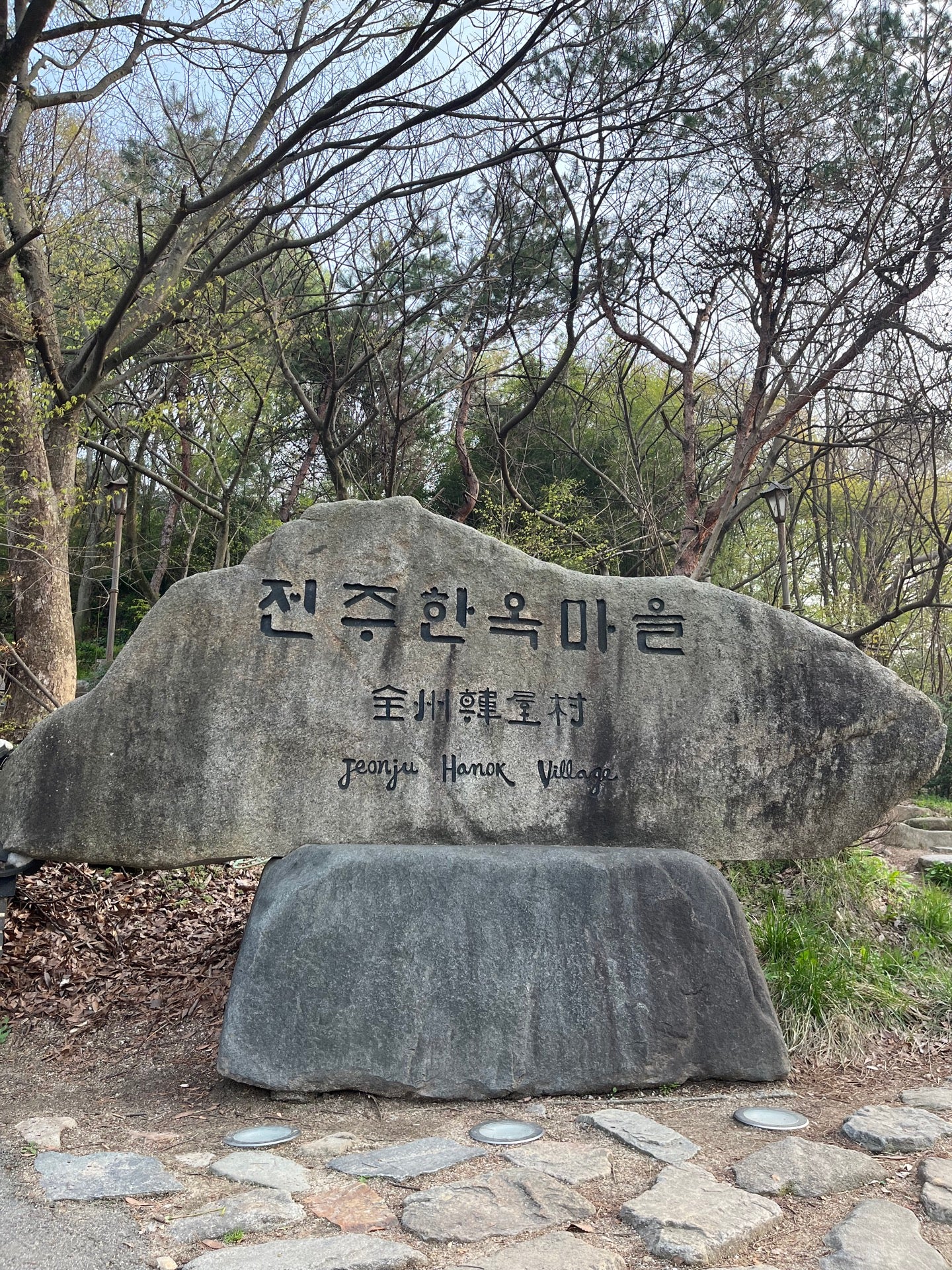
Jeonju has no subway system, so the standard route is by KTX or SRT high-speed rail into Jeonju Station, followed by a taxi (roughly 15–20 minutes) or city bus into the hanok village. From Seoul, KTX trains run out of Yongsan Station and take about 1 hour 40 minutes to 2 hours depending on the route. Intercity buses from Seoul’s Central City Terminal or Gangnam are another option, arriving at Jeonju Bus Terminal, from which the village is a further 10–15 minute taxi ride. If arriving by bus or train, ask for “Hanok Maeul”. It’s the name locals and drivers recognize instantly.
What to see and eat
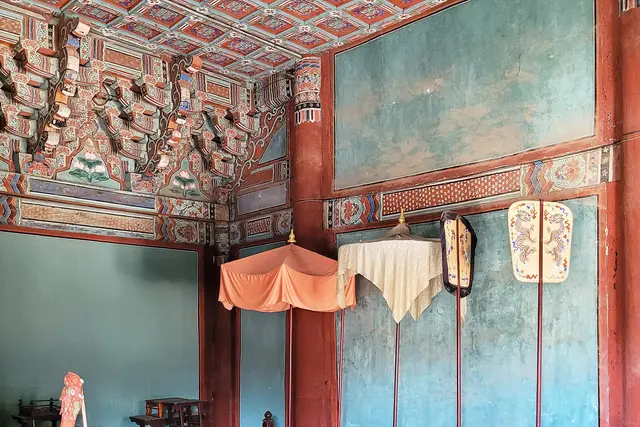
Start at Gyeonggijeon Shrine, the walled royal compound with quiet courtyards shaded by old pine and gingko trees, a good introduction before the crowds thicken on the main streets. From there, wander toward Omokdae and Imokdae, hillside pavilions with panoramic rooftop views over the sea of curved tiled roofs; the climb to Omokdae takes about 10–15 minutes and is worth doing near sunset.
Jeondong Catholic Cathedral, a Romanesque brick building from 1914, sits at the village’s edge and makes a striking contrast to the surrounding hanok. It’s also said to be near the site where early Korean Catholic martyrs were executed.
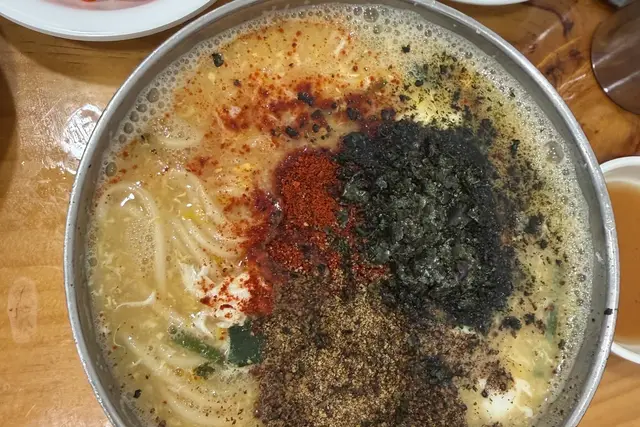
Food is central to any visit. Jeonju bibimbap is the signature dish, distinguished from other regional versions by the use of raw beef, bean sprouts, and a rich sesame-oil-laced rice base often served in a hot stone pot (dolsot). Look for it at the small family-run restaurants lining the side streets rather than the busiest main strip. Other local specialties worth seeking out include kongnamul gukbap (bean sprout soup with rice), makgeolli served in brass kettles with an array of complimentary side dishes at makgeolli-town-style taverns, and street snacks like PNB-style hollow bread (“choco pie” origin story bakeries) and skewered rice cakes along the main pedestrian lane.
Hanbok rental shops are everywhere in the village and are a genuine local tradition rather than pure tourist gimmick, renting a hanbok for a few hours (typically half-day blocks) also gets free or discounted entry to several nearby attractions, including Gyeonggijeon.
When to go
Weekday mornings, ideally before 10 a.m., offer the clearest streets and best photos of the hanok rooflines without crowds. Spring (April) and autumn (October–November) bring the most comfortable weather and the best light for photography, though these are also peak domestic tourism seasons, especially weekends and Korean holidays like Chuseok. Summer is hot and humid; winter is quieter and atmospheric, with occasional snow on the tiled roofs, though some shops keep shorter hours.
Nearby & tips
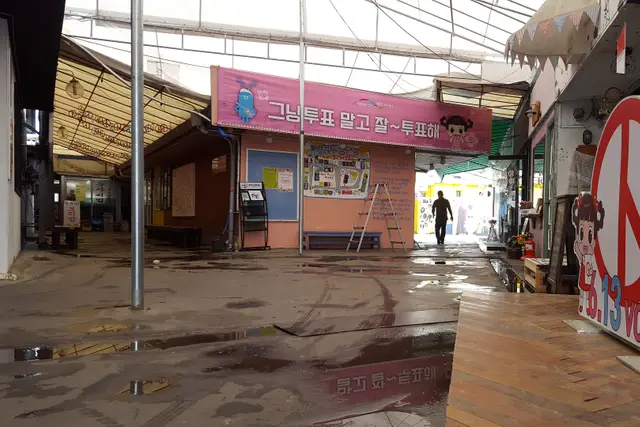
Budget 3–5 hours to cover the core sights unhurried, longer if you plan to try on hanbok or linger over meals. Nambu Market, just a short walk from the village’s southern edge, is worth combining with your visit for cheaper, more local eating and a lively night market on Friday and Saturday evenings. Comfortable shoes matter here more than usual. The streets are stone-paved and slightly uneven, and most exploration is on foot. Public restrooms and rest areas are well-marked but can have long lines at midday, so plan accordingly.
Frequently asked questions
How do I get to Jeonju Hanok Village from Seoul?
Take a KTX train from Seoul's Yongsan Station to Jeonju Station (about 1 hour 40 minutes to 2 hours), then a taxi or local bus into the village (15-20 minutes). Intercity buses from Seoul's bus terminals are a cheaper alternative, arriving at Jeonju Bus Terminal.
How much time should I set aside for the hanok village?
Plan for 3-5 hours to see the main sights (Gyeonggijeon, Omokdae, Jeondong Cathedral) and eat, longer if you rent a hanbok or want to explore Nambu Market nearby.
What's the best time of day and year to visit?
Weekday mornings before 10 a.m. have the fewest crowds. Spring and autumn offer the best weather, though weekends and holidays get busy; winter is quieter with occasional snow.
Is renting a hanbok worth it?
Yes — it's a popular local tradition, not just a tourist photo op, and wearing one often grants free or discounted entry to nearby sites like Gyeonggijeon Shrine.
What food should I try there?
Jeonju bibimbap is the must-try dish, ideally served dolsot-style in a hot stone bowl. Also look for kongnamul gukbap (bean sprout soup) and makgeolli served with side dishes at local taverns.
Plan your trip to Jeonju
South Korea eSIM & staying connected →
Some links above are affiliate links — if you book through them, Wander Atlas earns a small commission at no extra cost to you. It's how we keep every guide free.