Why go
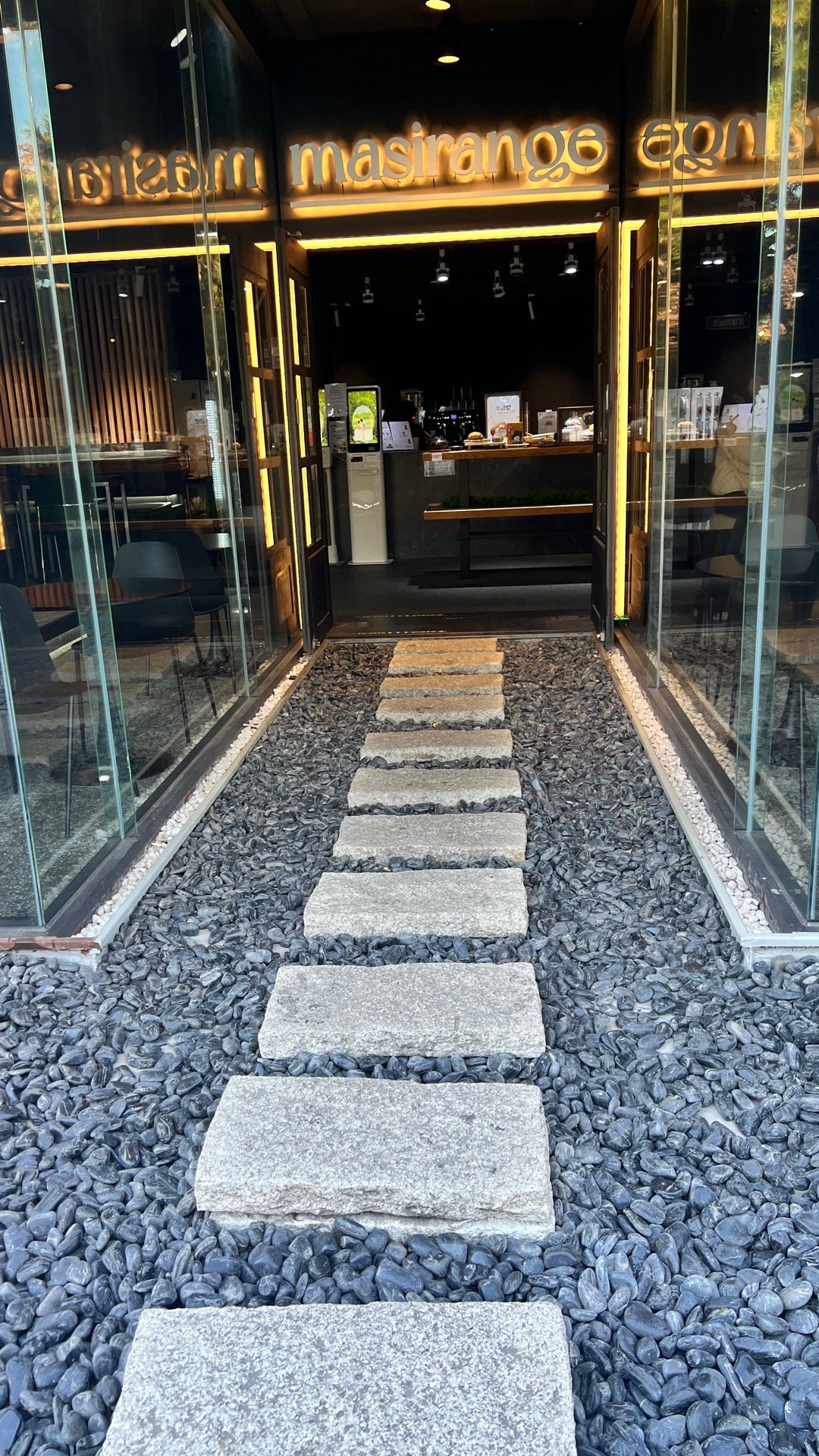
Jeonju Hanok Village is packed with cafés chasing the “trendy hanok” aesthetic, but Masirange (masiranghe roughly translates from a regional dialect meaning “let’s have a taste”/“delicious”) stands out for consistency, it holds a 4.5 rating across more than 500 reviews, which in a neighborhood this saturated with tourist-trap options is a meaningful signal. The appeal isn’t a gimmick drink; it’s the combination of a genuine hanok building, traditional tea and dessert options, and a location close to the village’s most photographed landmarks. It’s a good stop for travelers who want the hanok-café experience without wandering into a themed chain.
Getting there
The address is 100 Jeondongseongdang-gil, Wansan-gu, Jeonju, placing it in the Jeondong pocket of the Hanok Village, right around the corner from Jeondong Catholic Church, one of the most recognizable Western-style buildings in the district and a useful landmark if GPS gets confused among the narrow hanok alleys. If arriving by train, Jeonju Station is roughly a 15–20 minute taxi or bus ride away; by intercity bus, Jeonju Bus Terminal is a similar distance.
Once in the Hanok Village itself, everything is walkable. This is a pedestrian-heavy district with limited car access, so plan to arrive on foot from wherever you’re staying or park at one of the public lots near the village entrance and walk in. From the village’s main gate area near Gyeonggijeon Shrine, it’s roughly a 5–10 minute walk northeast toward the church.
What to see and eat
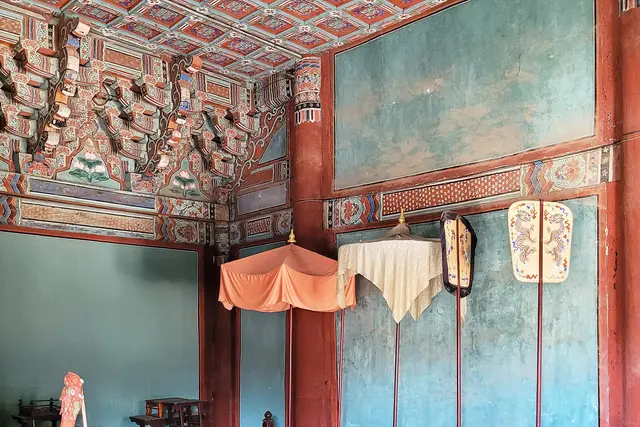
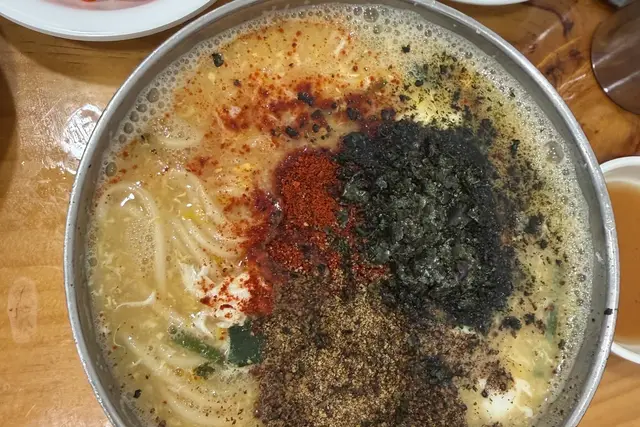
Inside, expect the hallmarks of Jeonju’s hanok café scene: exposed wooden beams, low tables, and either a courtyard or terrace seating area that plays well with hanbok rental photos (hanbok rental shops are everywhere in the village, and many visitors wear one specifically to sit in courtyards like this). Menu-wise, look for traditional Korean tea (ssanghwa-cha, omija-cha, or similar herbal teas are common in this genre of café) alongside modern espresso drinks, plus hanok-style desserts, think injeolmi (rice cake) toast, misugaru (roasted grain) lattes, or bingsu in warmer months. Because exact pricing and seasonal menu items shift, treat any specific price as approximate and confirm at the counter.
Budget about 45 minutes to an hour if you’re just having a drink and taking photos; longer if you’re sitting down to journal or wait out a rain shower. Weekend afternoons draw heavy foot traffic through the whole village, so a seat isn’t guaranteed, arriving right at opening or later in the evening tends to be calmer.
When to go
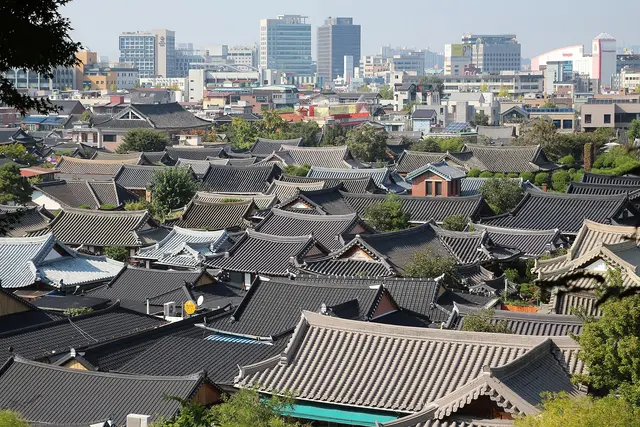
Spring (April) and fall (October–November) are peak season for Jeonju Hanok Village generally, thanks to cherry blossoms and foliage respectively. Expect the biggest crowds and the best light for photos during these windows. Summer brings heat and humidity that make an air-conditioned hanok café genuinely useful as a midday refuge; winter is quieter and gives the tiled roofs a starker, more atmospheric look, especially after snow. Regardless of season, mornings before 11 AM and early evenings after dinner tend to have thinner crowds than the midday peak.
Nearby & tips
Combine a visit with Gyeonggijeon Shrine (housing a portrait of the Joseon dynasty’s founder, King Taejo), Jeondong Catholic Church, and the Omokdae pavilion viewpoint, all within a 10–15 minute walk. The village is also known for makgeolli alleys and bibimbap restaurants if you want a full meal beyond the café stop. Since hours and specific menu items can change seasonally, it’s worth checking current opening times before making a special trip, particularly around holidays like Lunar New Year or Chuseok when the whole village gets significantly busier and some businesses adjust hours.
Frequently asked questions
How do I get to Masirange in Jeonju Hanok Village?
It's located at 100 Jeondongseongdang-gil, Wansan-gu, near Jeondong Catholic Church. From Jeonju Station or the bus terminal, take a 15–20 minute taxi to the Hanok Village, then walk in — the village core is pedestrian-only in most alleys.
How much time should I plan for a visit?
Around 45 minutes to an hour for tea/coffee and a look around the hanok interior and courtyard; longer if you plan to sit and relax or if you're waiting for a hanbok photo session nearby.
What's the best time of day or year to visit?
Early morning (before 11 AM) or after 4 PM avoids the worst crowds. Spring cherry blossom season and fall foliage (April and October–November) are the most popular and busiest times to visit the whole village.
What should I order?
Traditional Korean teas and hanok-style desserts are the specialty of this genre of café — expect options like grain-based lattes, rice cake toast, and seasonal bingsu, alongside standard espresso drinks.
What else is nearby?
Gyeonggijeon Shrine, Jeondong Catholic Church, and Omokdae pavilion are all within a 10–15 minute walk, making it easy to combine with a hanbok-rental stroll through the rest of the Hanok Village.
Plan your trip to Jeonju
South Korea eSIM & staying connected →
Some links above are affiliate links — if you book through them, Wander Atlas earns a small commission at no extra cost to you. It's how we keep every guide free.