South Korea · Region
Jeonju
Jeonju is Korea's food capital and the birthplace of bibimbap, centred on a 700-house Hanok Village of traditional tiled roofs, tea houses, and makgeolli bars. A UNESCO City of Gastronomy, it's all about eating your way slowly through the old town.
Day Trips from Jeonju (Suncheon · Jinju · Daegu)
Top attractions
Hidden gems
 hidden gem
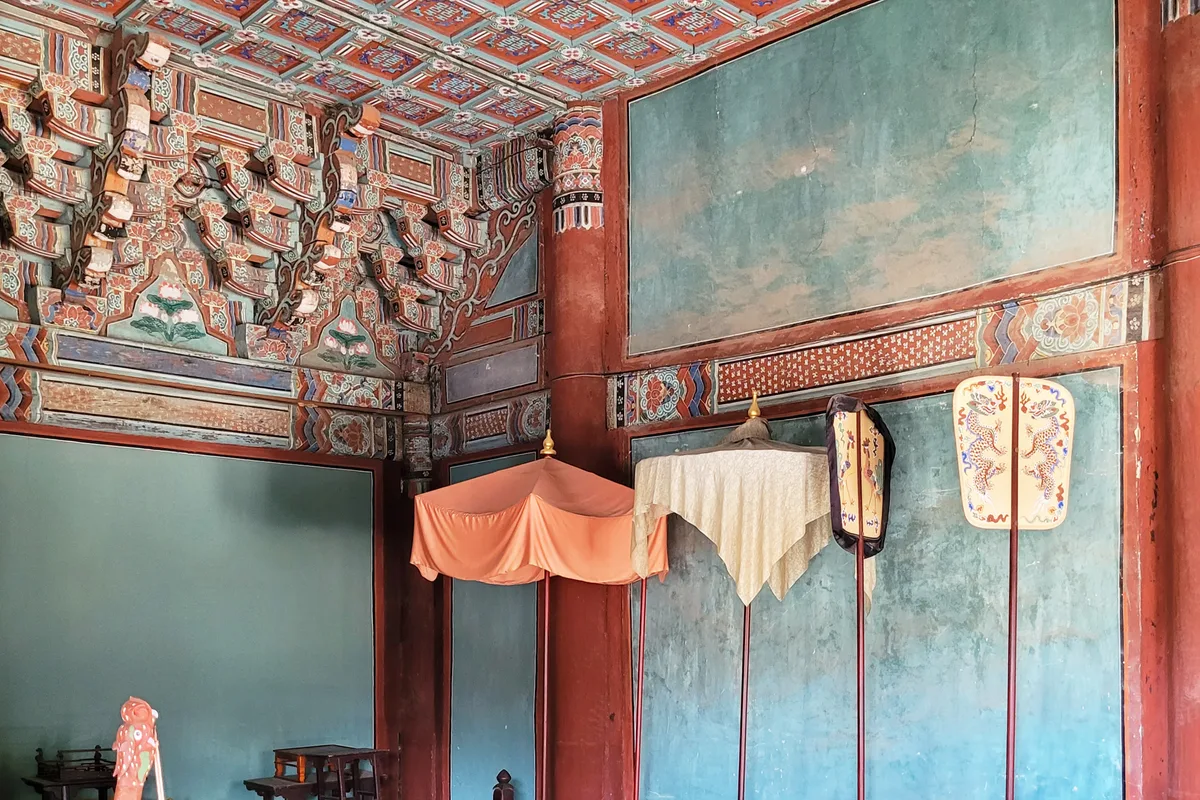
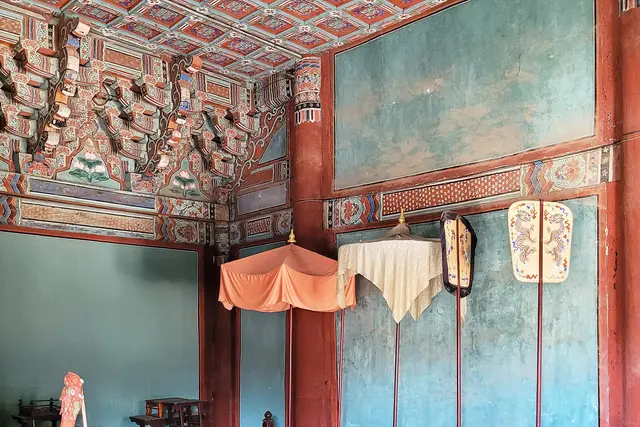
 Gyeonggijeon Shrine: Jeonju Travel Guide (4.3★)
Gyeonggijeon Shrine sits right in the heart of Jeonju Hanok Village, open daily 9am–6pm, and holds the portrait hall built in 1410 to honor Joseon Dynasty founder King Taejo. 4.3★ (2,020 reviews) — what visitors say, hours, and tips.
 hidden gem
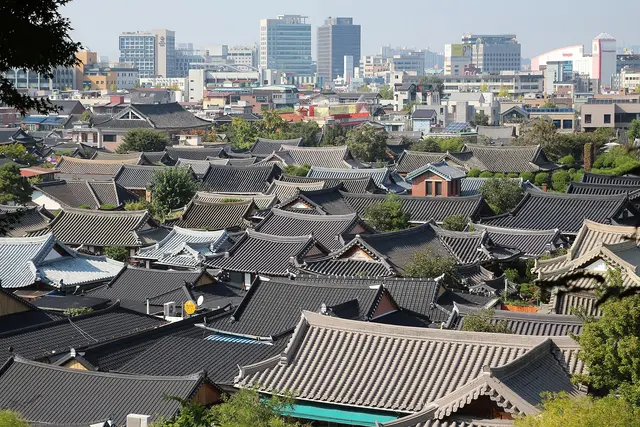
 Hanok Village in Jeonju
Jeonju Hanok Village, in the Pungnam-dong/Gyo-dong area near Jeonju's old city center, is South Korea's largest cluster of traditional hanok houses (around 800 structures), best explored on foot over 3–5 hours.
 hidden gem
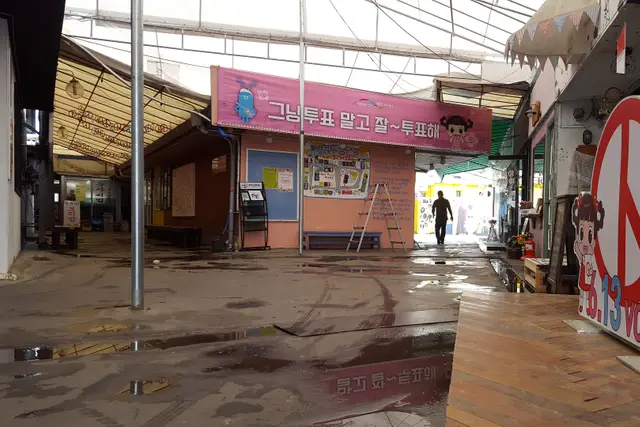
 Nambu Market: Jeonju Travel Guide (4.0★)
Nambu Market sits just south of Jeonju's Hanok Village, by the Pungnammun Gate, and it's open daily 6am–10pm. 4.0★ (6,205 reviews) — what visitors say, hours, and tips.
Top-rated things to do in Jeonju
Booking links are affiliate links — booking through them supports our free guides at no extra cost to you.
Where to stay in Jeonju
Compare Jeonju hotels and stays at the lowest price — deals, ratings, and real traveler reviews.
Search hotels in Jeonju →Booking links are affiliate links — booking through them supports our free guides at no extra cost to you.
Plan your trip to Jeonju
South Korea eSIM & staying connected →
Some links above are affiliate links — if you book through them, Wander Atlas earns a small commission at no extra cost to you. It's how we keep every guide free.
When to visit South Korea: month-by-month weather, crowds and holidays →
Frequently asked questions about Jeonju
How do I get to Jeonju?
KTX to Jeonju Station (~1.5–2 hours from Seoul), then a short bus or taxi to the Hanok Village.
How many days should I spend in Jeonju?
1–2 days for the Hanok Village, food alleys, and Nambu Market.
What is Jeonju known for?
Jeonju is Korea's food capital and the birthplace of bibimbap, centred on a 700-house Hanok Village of traditional tiled roofs, tea houses, and makgeolli bars. A UNESCO City of Gastronomy, it's all about eating your way slowly through the old town.