Why go
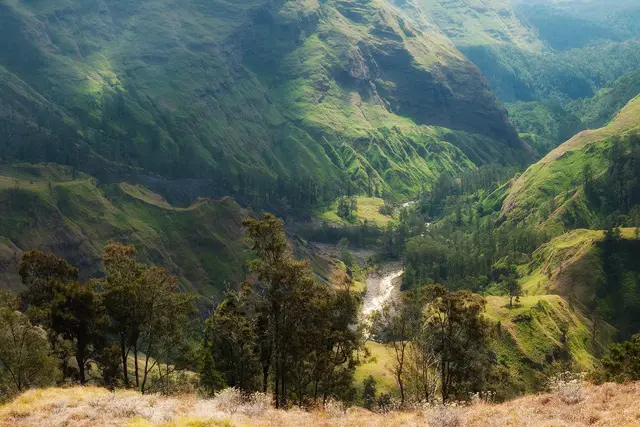
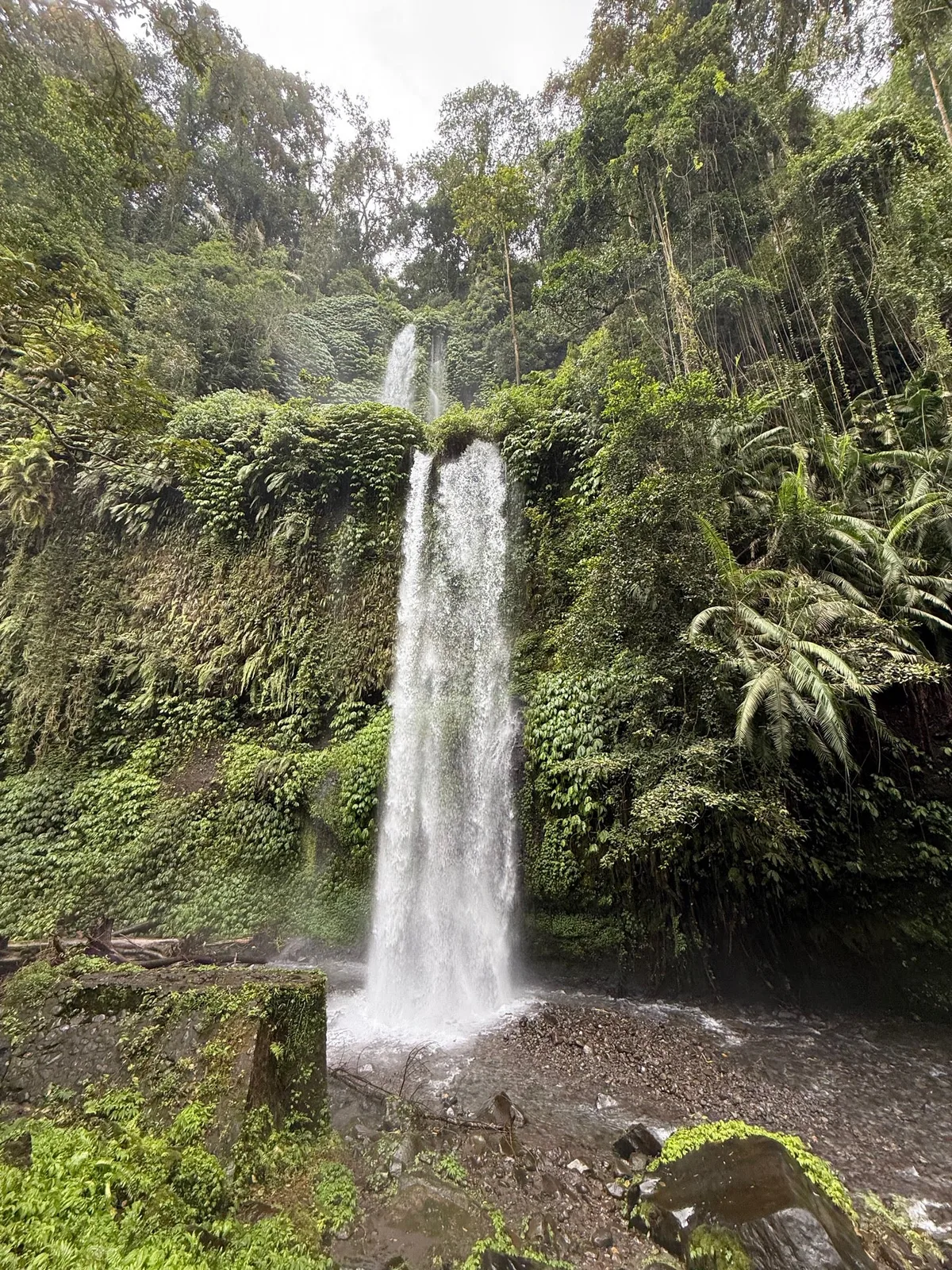
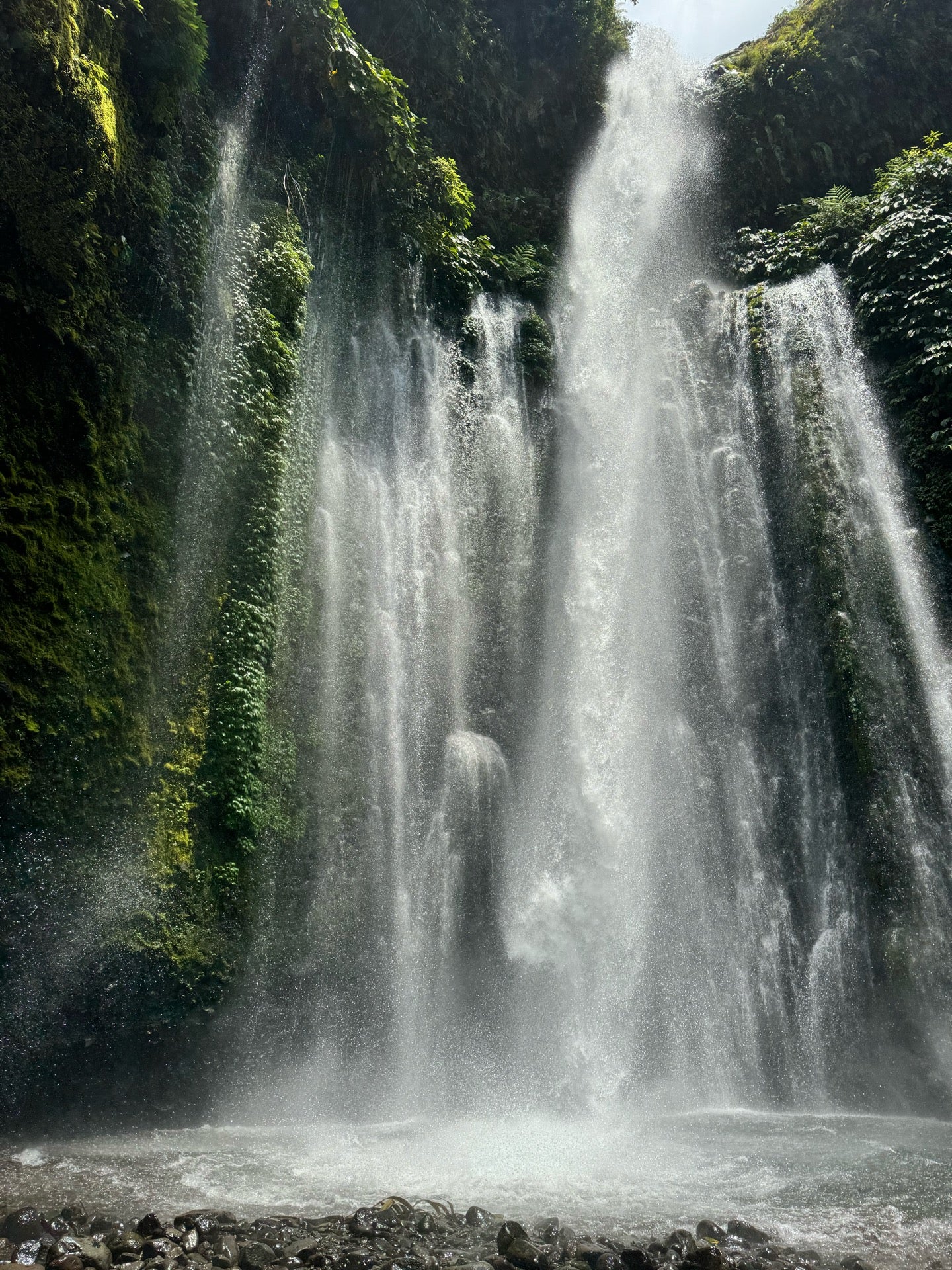
Sendang Gile is one of Lombok’s most photographed natural sites, and the rating (4.6 from over 2,000 reviews) reflects how consistently it delivers: a wide curtain of water dropping into a cool pool, framed by rainforest on the lower flank of Mount Rinjani. It’s actually two waterfalls in one outing, Sendang Gile itself, a short walk from the entrance, and Tiu Kelep, a taller, more dramatic falls another 30–45 minutes further up the valley. Most visitors combine both into a single half-day trip.
Getting there
The waterfall sits above Senaru village in Bayan district, North Lombok, roughly a 2–2.5 hour drive from Senggigi or the Lombok International Airport (Praya), and about 3–3.5 hours from the Gili Islands boat harbor at Bangsal (boat to Bangsal, then car/motorbike up to Senaru). Most travelers arrange a private car, motorbike, or join a Rinjani-area day tour that pairs the falls with a stop in Senaru’s traditional Sasak villages.
There’s no train or public transit option that reaches Senaru directly, so a hired driver or rental scooter is the practical route. The site address (Air Terjun Sendang Gile, Jl. Pariwisata, Senaru) is well signposted once you’re in the village, with parking near the entrance gate.
What to see and do
From the ticket gate, a paved but steep stone stairway descends roughly 15–20 minutes through jungle to Sendang Gile falls, manageable for most fitness levels but slippery when wet. The waterfall drops in tiers into a natural pool where swimming is possible, though the current near the base can be strong after rain.
For Tiu Kelep, continue along a rougher dirt-and-rock trail that crosses several small streams and one or two shallow river crossings (expect wet feet). This second waterfall is taller and wider, often described as the more dramatic of the two, and swimming here means standing close enough to feel the spray and wind kicked up by the falling water. Combined, the two sites typically take 2–3 hours round trip at an unhurried pace, including swimming stops.
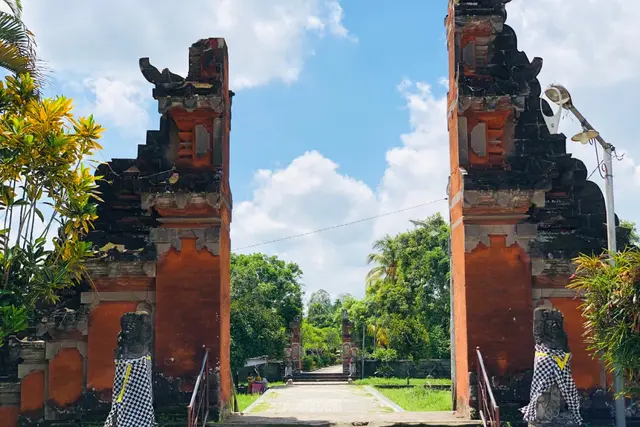
Senaru village itself, at the trailhead, is one of the traditional gateway settlements for climbing Mount Rinjani and worth a slow walk before or after the falls. Look for the old Sasak thatched houses and rice terrace views over the valley.
When to go
Dry season, roughly April through October, is the most reliable window: trails are less slippery and water visibility in the pools is better. During wet season (November–March) the falls run fuller and more powerful, but paths get muddy and river crossings on the Tiu Kelep trail can become harder to manage or occasionally closed after heavy rain. Aim to arrive in the morning, light through the jungle canopy is best for photos before around 10am, and afternoon showers are common much of the year.
How to visit like a local
This is a well-known, well-visited site rather than a hidden find, so the real local skill is timing: arrive at or just after opening, before tour buses and day-trip groups from Senggigi and the Gilis land mid-morning. Weekends and Indonesian public holidays bring the heaviest crowds; a weekday visit thins the queue at both the ticket booth and the narrow stone stairway.
Entry and parking fees are collected in cash at the gate (bring small-denomination rupiah, as change and card facilities are unreliable this far from the coast. Guides are optional for Sendang Gile alone but genuinely useful for the Tiu Kelep river crossings, especially after rain; agree on a fee before setting out. Wear sandals with grip (like reef sandals) rather than street sneakers) the rock is slick, and hiking barefoot or in flip-flops is the most common tourist misstep.
Pack a dry bag or plastic sleeve for your phone if you plan to swim, and carry out any rubbish, since bins are limited past the entrance. A small tip for a local guide is appreciated but not obligatory; it’s typically handed over in cash at the end of the walk rather than negotiated upfront.
Nearby to combine
Senaru’s Rinjani trekking post and a handful of warungs sit right by the trailhead, making it easy to refuel after the walk. Many itineraries pair Sendang Gile with a stop at the nearby Rinjani viewpoint or continue north to Lombok’s coastal villages the same day.
Frequently asked questions
How long does it take to see both waterfalls?
Budget 2–3 hours round trip: about 20 minutes down to Sendang Gile, then another 30–45 minutes each way on the rougher trail to Tiu Kelep, plus time for swimming and photos.
Do I need a guide?
Not required for Sendang Gile, but recommended for the Tiu Kelep trail, which involves river crossings that can be tricky after rain. Agree on a price in cash before starting.
What should I wear or bring?
Grippy sandals or trail shoes (not flip-flops), a swimsuit under your clothes, a dry bag for phones/cameras, and cash in small rupiah notes for entry and parking fees.
What's the best time of day and year to visit?
Go early morning, ideally before 10am, and during dry season (April–October) for safer trails and clearer pools. Afternoons often bring rain, especially November–March.
How do I get there without a car?
There's no direct public transit to Senaru; most visitors hire a private car or motorbike from Senggigi, the airport, or take a boat to Bangsal then arrange onward transport, or join an organized Rinjani-area day tour.
Plan your trip to Lombok
Indonesia eSIM & staying connected →
Some links above are affiliate links — if you book through them, Wander Atlas earns a small commission at no extra cost to you. It's how we keep every guide free.