Indonesia · Region
Lombok
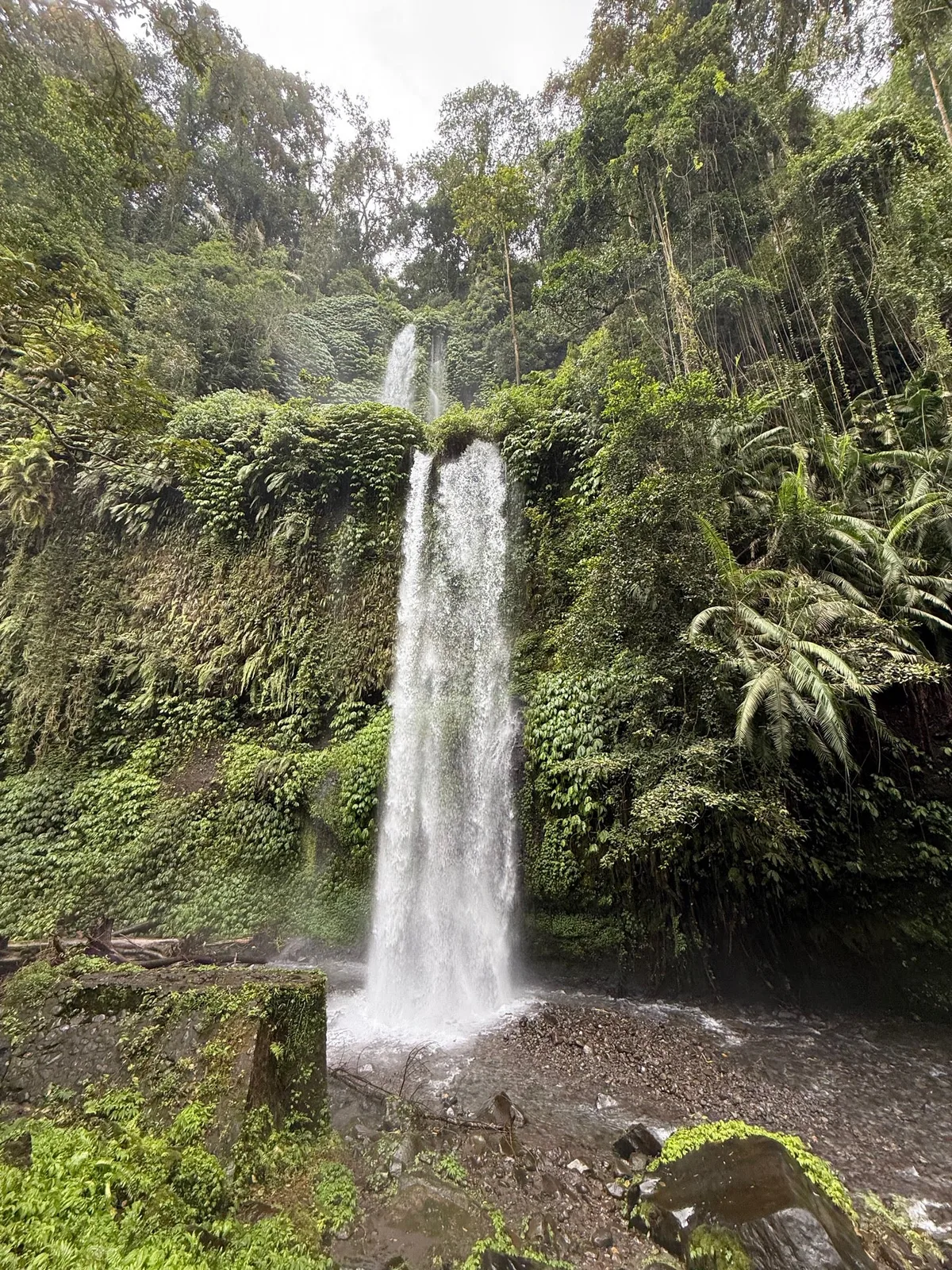
Photo: Foursquare user content (Sendang Gile Waterfall (Air Terjun Sindang Gila))
Lombok pairs the volcanic bulk of Mount Rinjani with pristine surf beaches, hidden waterfalls, and the turquoise Gili Islands just offshore, all without the crowds of neighboring Bali. It's a place of striking contrasts—laid-back fishing villages sit a short drive from world-class surf breaks and traditional Sasak villages preserve a culture distinct from the rest of Indonesia.
Day Trips from Lombok (Gili Islands · Ubud · Bali)
Top attractions
 attraction
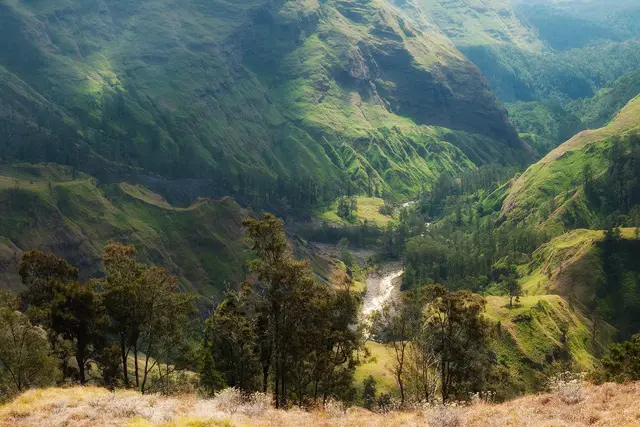
 Mount Rinjani National Park: Lombok Travel Guide (4.7★)
Mount Rinjani National Park in Senaru, North Lombok, is Indonesia's second-highest volcano and the island's main multi-day trekking destination, best tackled between April and December when trails are dry and open. 4.7★ (1,816 reviews) — what visitors say, hours, and tips.
 attraction
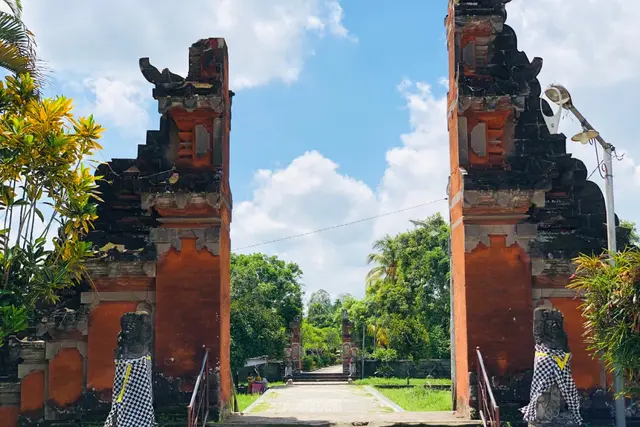
 Pura Lingsar: Lombok Travel Guide (4.3★)
Pura Lingsar, in the village of Batu Kumbung in Lingsar district, Lombok Barat, is Lombok's oldest and most important shared temple, built in 1741 as a place of worship for both Balinese Hindus and Sasak Wetu Telu Muslims. 4.3★ (496 reviews) — what visitors say, hours, and tips.
 attraction
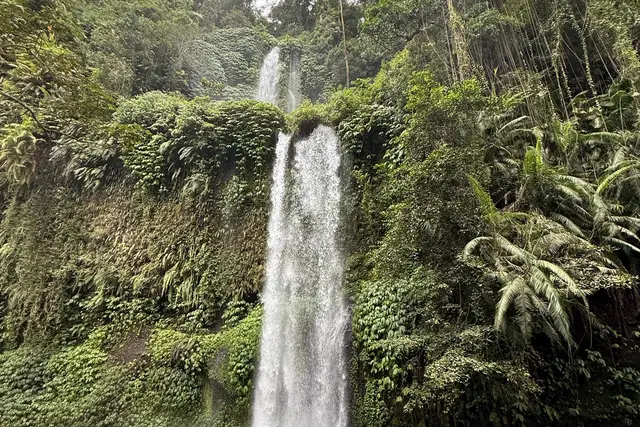
 Sendang Gile Waterfall: Lombok Travel Guide
Sendang Gile is a two-tier waterfall on the southern slope of Mount Rinjani, reached via a short, well-maintained trail from Senaru village in North Lombok.
Where to eat
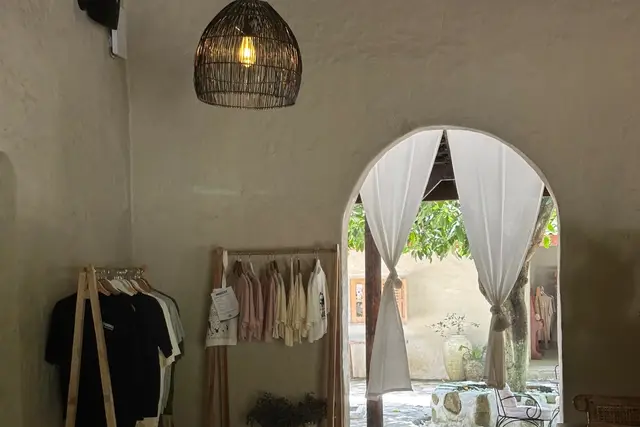 restaurant
 Elamu: Where to Eat in Lombok (4.8★)
Elamu Lombok is a Greek restaurant near Kuta Beach in South Lombok, a short drive from the main strip of Jalan Pariwisata Pantai Kuta. 4.8★ (2,607 reviews) — what visitors say, hours, and tips.
Vandal Restaurant, Kuta Lombok: Menu, Hours and Quiet Times
Globally inspired street food on Jl. Raya Kuta, Kuta Lombok: what to order, opening hours, the quieter hours to walk in, and how to get there from the guesthouses.
Top-rated things to do in Lombok
Booking links are affiliate links — booking through them supports our free guides at no extra cost to you.
Where to stay in Lombok
Compare Lombok hotels and stays at the lowest price — deals, ratings, and real traveler reviews.
Search hotels in Lombok →Booking links are affiliate links — booking through them supports our free guides at no extra cost to you.
Plan your trip to Lombok
Indonesia eSIM & staying connected →
Some links above are affiliate links — if you book through them, Wander Atlas earns a small commission at no extra cost to you. It's how we keep every guide free.
When to visit Indonesia: month-by-month weather, crowds and holidays →
Frequently asked questions about Lombok
How do I get to Lombok?
Most travellers arrive via Lombok International Airport (LOP) in Praya, with direct flights of ~30-40 minutes from Bali's Ngurah Rai Airport (DPS) as well as connections from Jakarta and other regional hubs; alternatively, fast boats from Padang Bai in Bali reach Lombok in ~1.5-2 hours, while the budget public ferry to Lembar Harbour takes ~4-6 hours. There is no rail service on the island, so onward travel relies on private drivers, rental scooters, or local buses.
How many days should I spend in Lombok?
Plan on ~4-6 days to cover the highlights—time enough for the south coast beaches and Kuta, a Gili Islands side trip, and either a scenic drive or a multi-day trek up Rinjani.
What is Lombok known for?
Lombok pairs the volcanic bulk of Mount Rinjani with pristine surf beaches, hidden waterfalls, and the turquoise Gili Islands just offshore, all without the crowds of neighboring Bali. It's a place of striking contrasts—laid-back fishing villages sit a short drive from world-class surf breaks and traditional Sasak villages preserve a culture distinct from the rest of Indonesia.