Live music on the Castellana
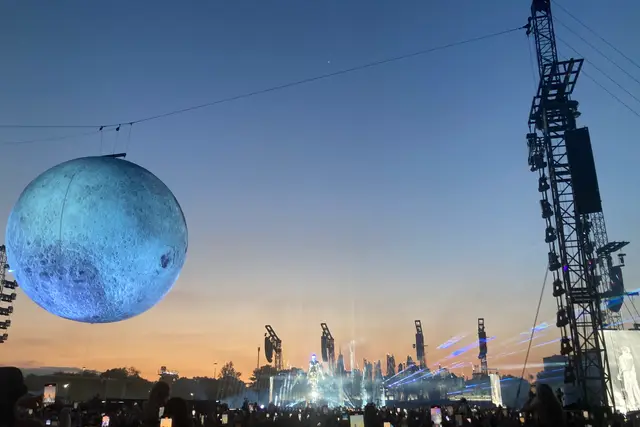
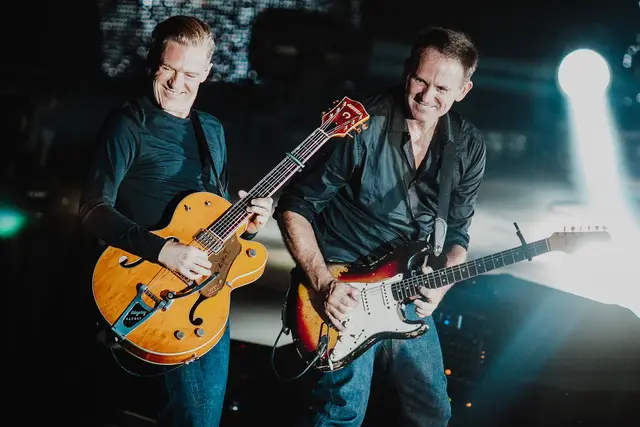
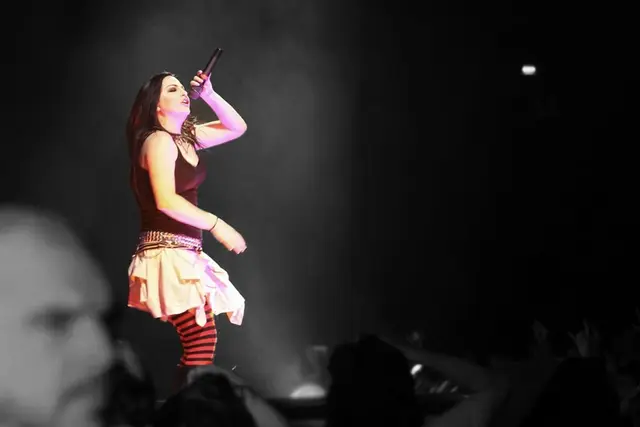
Madrid closes its widest boulevard to traffic for this race. The Paseo de la Castellana is normally six lanes of buses and taxis, and on race morning it fills with runners in timing-chip bibs. The Rock ‘n’ Roll name means more than a logo. Across the global Rock ‘n’ Roll Running Series, live bands and DJs play from stages beside the course, so you run between pockets of amplified sound.
The event is part of that international series, and runners travel to it from across the world. You will hear Spanish, English, Portuguese and French at the start corrals. The Madrid edition usually puts a marathon, a half marathon and a shorter 10K on the same morning, so the crowd at the start includes every pace.
Dates, entries and where the details live
The 2026 edition is listed for late 2026. The Rock ‘n’ Roll Running Series publishes the exact date, race distances, entry links and course map on its official site. That site is also where entry prices and age limits are posted, so this guide doesn’t quote them.
It helps to know the race’s past calendar. Earlier editions of the Madrid marathon have traditionally run in spring, often in late April. So be wary of older blog posts and forum threads that give a spring date. The race’s own site is the place to look for the current edition.
For runners, the “ticket” is a race entry, collected as a bib. Bibs are handed out at a runners’ fair, the Feria del Corredor, held in the days before the race. Spectators need no ticket at all.
Madrid’s altitude and the final climb
Madrid is not a flat course, and people who’ve run it tend to say so first. The city sits at roughly 650 metres above sea level, the highest capital in the European Union. The streets also rise and fall more than the map suggests.
The hard part comes late. The route usually drops toward the Manzanares river and the parkland of Madrid Río and Casa de Campo. From there it has to climb back up into the centre to reach the Retiro finish. Many runners plan their race around those final kilometres. They hold back on the downhill early miles because the uphill return punishes anyone who went out too fast.
Past routes have passed:
- Puerta del Sol, Madrid’s kilometre-zero square
- Gran Vía, with its early 20th-century facades
- The Palacio Real and the gardens below it
- Casa de Campo, the city’s largest park, on the western edge
The exact route changes between editions, and the official course map shows this year’s line.
Getting to the start and away from the finish
The Metro is the sensible way to reach a city-centre race. Road closures make taxis and ride-hailing slow on race morning. Stations near the traditional start and finish areas include:
- Colón (Line 4), close to Plaza de Colón on the Castellana
- Retiro (Line 2), on Calle de Alcalá at the park’s northern edge
- Ibiza (Line 9), on the eastern side of El Retiro
- Atocha (Line 1), south of the park, also the main rail station for high-speed trains
Runners who stay near the course often walk to the start instead. Barrio de Salamanca, Chamberí and the streets around Retiro are all within walking distance of the Castellana. Visitors arriving by AVE high-speed train come into Atocha, which is a short walk from the park.
Cheering in Spanish, eating on Madrid time
Spectators line the pavements and use short Spanish shouts. “¡Ánimo!” (keep going) and “¡Vamos!” are the two you’ll hear most. Bibs sometimes carry first names, and calling a runner’s name gets a reaction even if you don’t know them. Spectators usually spread out along Gran Vía and the stretch near the finish rather than packing the start, where there’s little to see once the corrals leave.
Aid stations are called avituallamientos. Spectators keep clear of them so runners can grab water without weaving.
After the race, the city runs on its own clock. Lunch in Madrid usually starts around 2pm and goes on well into the afternoon. Many restaurants serve a fixed-price menú del día on weekdays. Contactless card payment is normal almost everywhere. Tipping is modest: people round up or leave small change, and no service charge is expected.
Recovering in El Retiro
The finish area sits beside the Parque del Buen Retiro. It is the 19th-century former royal park, and in 2021 it became part of a UNESCO World Heritage site, the Paseo del Prado and Buen Retiro landscape. After crossing the line, runners and their families usually drift into the park, which is full of shade, benches and gravel paths.
Places within a short walk of the finish:
- The Estanque Grande, the large boating lake, with the colonnaded Alfonso XII monument on its edge
- The Palacio de Cristal, a glass-and-iron pavilion from 1887 beside a small pond
- The Puerta de Alcalá, the 18th-century granite gate at the park’s northwest corner
- The Museo del Prado, just west of the park down the Paseo del Prado
The Prado is an easy target for a rest day. Its galleries are mostly walking on level floors, which tired legs will appreciate.
Making a weekend of it
Most international runners spend three or four nights in the city. They usually arrive in time for bib collection, take the race day itself slowly, and use the day after for sightseeing at walking pace.
Barrio de las Letras, between Sol and the Prado, puts you near the finish area and near tapas bars on Calle de las Huertas. La Latina is busy with bars on Sunday afternoons, especially around Cava Baja. It’s also where the Sunday El Rastro flea market takes place, so it suits a post-race day out.
If you’re bringing a non-running partner or family, they won’t be bored. Gran Vía, Sol and the Palacio Real are all close to past routes, so they can sightsee and still catch you at a couple of points along the way.
Frequently asked questions
When is the Rock 'n' Roll Madrid Marathon 2026?
The 2026 edition is listed for late 2026. The Rock 'n' Roll Running Series publishes the exact date, distances and entry links on its official site. Earlier editions often ran in spring, so older listings may give a different month.
Do spectators need tickets?
No. Watching from the pavement is free. The only "tickets" are race entries for runners, collected as bibs at the Feria del Corredor runners' fair.
Which Metro stations are closest to the finish?
The finish is traditionally beside El Retiro. Retiro (Line 2), Ibiza (Line 9) and Atocha (Line 1) are all close. Colón (Line 4) serves the Castellana side.
Is the Madrid course hard?
It's hillier than many big-city marathons. Madrid sits at about 650 metres, and the route usually climbs back from the Manzanares river toward Retiro in the later kilometres.
What is there to do near the finish?
El Retiro's boating lake and the Palacio de Cristal are inside the park. The Puerta de Alcalá is at its corner and the Museo del Prado is a short walk west.
Plan your trip to Madrid
Spain eSIM & staying connected →
Some links above are affiliate links — if you book through them, Wander Atlas earns a small commission at no extra cost to you. It's how we keep every guide free.