A Miami rap brand lands on the Arabian Sea
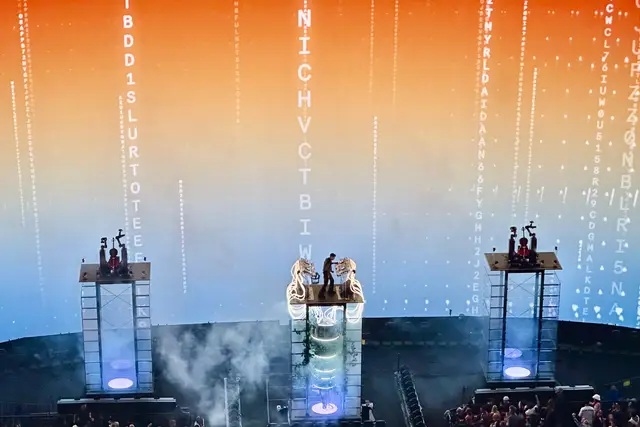
Rolling Loud began in Miami in 2015. Founders Matt Zingler and Tariq Cherif built it into one of the largest hip-hop festivals in the world, then took it abroad to Europe, Asia and Canada. Rolling Loud India is the brand’s edition in Mumbai, and it runs on December 12–13, 2026.
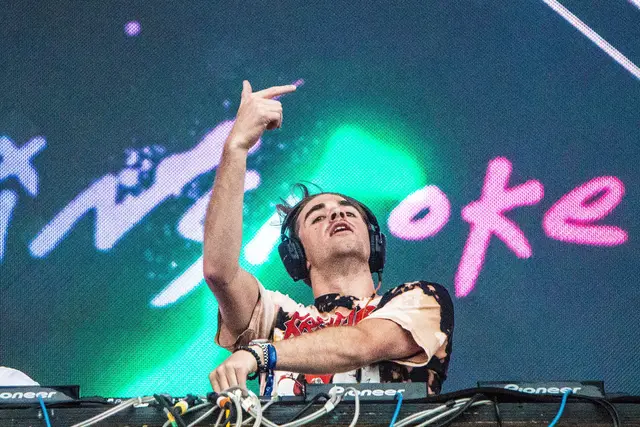
The format is the one fans know from other editions. You get multiple stages, back-to-back rap sets and a crowd that comes for the headliners and stays through the undercard. The difference here is the city around it: India’s film and music capital, with a homegrown rap scene that is loud on its own terms.
Two days in mid-December
The dates are a Saturday and Sunday. Rolling Loud India falls on December 12 and 13, 2026, which puts the festival squarely in Mumbai’s winter. That word means something different here than in Europe.
- Weather: the monsoon is long gone, skies are usually dry, and evenings are noticeably cooler than the humid months.
- Daylight: sunset comes in the early evening, so the biggest sets land after dark.
- Season: December is peak travel and wedding season in Mumbai, and hotels fill accordingly.
Because the festival spans a full weekend, most out-of-town fans treat it as a two- or three-night trip rather than a single evening out.
Tickets, venue and the official source
One rule covers all of it. The organiser publishes the venue, gate times, set times and ticket links through the official Rolling Loud website, app and social accounts. Prices, ticket tiers and the stage layout all live there, and this guide prints none of them.
Fans who have attended Rolling Loud editions elsewhere know the pattern. Passes are usually sold as single-day or full-weekend options, with upgraded tiers that add viewing areas or faster entry. Resale through unofficial sellers is where people most often get burned, so regular festival-goers stick to the official links.
Getting across Mumbai at festival hour
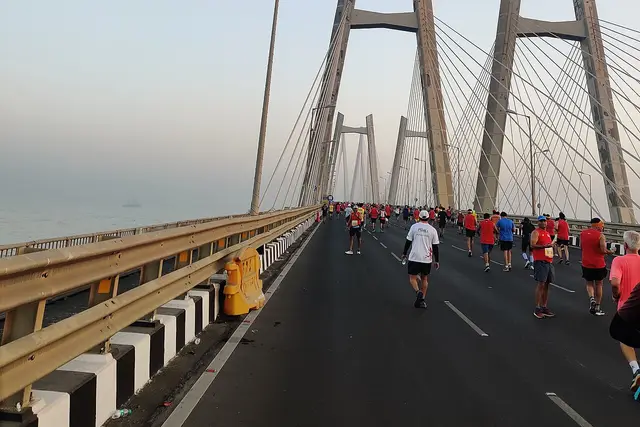
Mumbai traffic is the real headliner of any big event here. The city is a long peninsula, and crossing it on a weekend evening routinely takes far longer than the map suggests.
- App cabs: Uber and Ola work across the metro region and are the default for most attendees, though surge pricing and pickup waits are normal after big shows.
- Auto-rickshaws: they run in the suburbs but are not permitted in the island city south of Bandra and Sion.
- Suburban trains: the Western, Central and Harbour lines are the fastest way to cover distance, but carriages get packed and late-night frequency drops.
- Metro: Mumbai’s Metro lines are air-conditioned and easier for visitors to use than the local trains.
Seasoned attendees usually plan a pickup point a short walk from the gates rather than at them. That is where the cab queue thins out.
From Gully Boy to the main stage
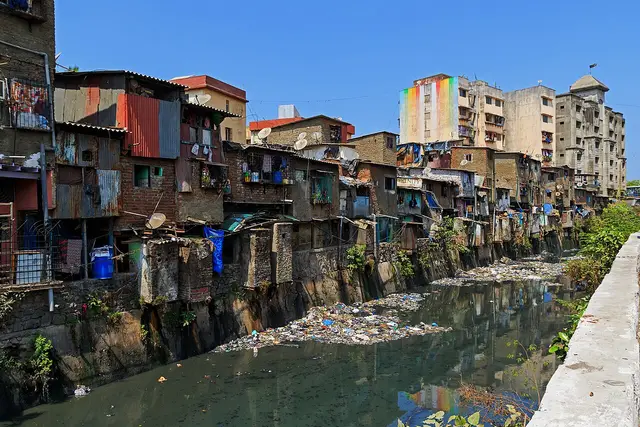
This edition has a local backstory. Mumbai’s rap scene grew in neighbourhoods like Andheri, Kurla and Dharavi, with artists such as Divine and Naezy rapping in Hindi and Bambaiya slang. Their story inspired the 2019 film Gully Boy, which brought “gully rap” into mainstream Indian culture.
That history shapes the crowd. Many people in the audience grew up on desi hip-hop first and American rap second. Expect lyrics shouted back in Hindi, Punjabi and English across the same weekend. For an international visitor, the local sets are often the part of the festival you can’t hear anywhere else.
Wristbands, UPI and the gate routine
Indian festivals have their own rhythm, and knowing it saves time at the gates.
- Payment: large Indian festivals usually run on cashless wristbands or cards topped up on site. UPI, India’s phone-based payment system, is how most locals pay for everything. Visitors without an Indian bank account typically rely on international cards or the festival’s own top-up counters.
- ID: carry the original photo ID or passport that matches your ticket. Gate staff at Indian events commonly ask for it.
- Alcohol: Maharashtra’s legal drinking age is 25 for spirits and 21 for beer and wine, and bars inside events enforce it with ID checks.
- Security: entry involves bag checks and pat-downs, and the official site lists what is banned.
Regulars travel light: a phone, a power bank, ID and a small bag. Long lines at the gate tend to form in the hour before the headline sets, and people who arrive mid-afternoon usually walk in faster.
Where to stay and what to wear
The right base depends on the venue the organiser lists. In general, Bandra, Andheri and Juhu are the suburbs visitors pick for nightlife and easy cab access. South Mumbai, around Colaba and Fort, suits travellers who want the Gateway of India and Marine Drive by day.
December evenings are mild rather than cold, so a light layer is enough after sunset. Crowds and dust at large outdoor sites are normal, and many festival-goers carry a bandana or mask for the walk out. Closed shoes beat sandals in a dense crowd every time.
Make a few extra days of it. Kala Ghoda’s galleries, the street food along Juhu Beach and the evening walk on Marine Drive are all within one city of the festival grounds.
Frequently asked questions
When is Rolling Loud India 2026?
Rolling Loud India takes place in Mumbai on December 12–13, 2026, across a Saturday and Sunday.
Where is Rolling Loud India held, and where are tickets sold?
The organiser publishes the venue, gate times and ticket links on the official Rolling Loud website, app and social channels. Experienced fans buy only through those official links rather than unofficial resellers.
What is the best way to get to the festival in Mumbai?
Most attendees use Uber or Ola. Suburban trains and the Metro cover long distances quickly, and auto-rickshaws work in the suburbs but not south of Bandra and Sion. Fans usually meet their cab a short walk from the gates, where pickup waits are shorter.
What is the weather like in Mumbai in mid-December?
December is Mumbai's dry, mild season. The monsoon is over and evenings are cooler, so a light layer for after sunset is usually enough.
Can foreign visitors pay without an Indian bank account?
Yes, usually. Locals pay through UPI, while visitors typically use international cards or the festival's own cashless wristband top-up counters. Carry the photo ID that matches your ticket for entry and for alcohol purchases.
Plan your trip to Mumbai
India eSIM & staying connected →
Some links above are affiliate links — if you book through them, Wander Atlas earns a small commission at no extra cost to you. It's how we keep every guide free.