An arch built to face the water
The arch opens onto the harbour, not the city. That was the whole idea. The Gateway of India was designed as a ceremonial front door for anyone arriving in Bombay by sea, so its best face looks out over the grey-green water of the harbour.
It marks the landing of King George V and Queen Mary at Apollo Bandar in December 1911. The architect George Wittet designed it, and the finished arch opened in 1924. It rises 26 metres, built in yellow basalt with a central arch big enough to make the crowds underneath look small.
Look up and the Indo-Saracenic style shows itself. Pointed Islamic arches sit alongside latticed stonework and corner turrets drawn from Gujarati building traditions. The arch that welcomed a king also saw the empire out: the last British troops left India by marching through it in 1948.
The plaza, the hotel and the statues
The arch sits on a wide paved plaza enclosed by a low sea wall. Beyond that wall, ferries and tour launches crowd the jetties, rocking against each other on the swell.
Turn your back to the sea and the Taj Mahal Palace fills the view. The hotel opened in 1903, two decades before the arch, and its red-tiled domes are as photographed as the Gateway itself. Nearby, an equestrian statue of Chhatrapati Shivaji faces the arch, and a statue of Swami Vivekananda stands close by.
Reaching Apollo Bandar
The Gateway is at the southern tip of the city, and most routes end with a short ride or walk.
- Local train: take the Western line to Churchgate or the Central and Harbour lines to Chhatrapati Shivaji Maharaj Terminus (CSMT). Both sit roughly 2 to 3 km away.
- Taxi: Mumbai’s black-and-yellow “kaali-peeli” cabs run on the meter. Ask for the driver to start it as you get in.
- App cabs: Uber and Ola both work well across south Mumbai.
- On foot: from CSMT, the walk south past Kala Ghoda takes around half an hour and passes several Victorian landmarks.

Choosing your hour and season
Timing shapes this visit more than anything else. Arriving early in the morning generally puts you ahead of the tour groups, school parties and day-trippers who fill the plaza later.
Evenings belong to Mumbai families strolling along the sea wall, and weekend evenings are the liveliest of all. The low sun also turns the yellow basalt warm gold, so a busy sunset may be worth it.
October to February brings the most comfortable weather. From June to September the monsoon throws waves over the sea wall, and ferries to Elephanta are usually suspended in rough seas.
Security lines, photographers and ferry tickets
A few habits make the plaza smoother.
- Security first: the plaza is entered through checkpoints with bag screening. Carry a small bag and expect short waits when it’s busy.
- Photographers: men with cameras and portable printers offer instant portraits. Agree on the deal before they shoot; a clear “no, thank you” is accepted.
- Selfie requests: foreign visitors often get asked to pose with families. Saying yes is friendly, and so is politely declining.
- Ferry tickets: buy these at the official booths by the jetties rather than from touts on the plaza. The crossing to Elephanta takes about an hour each way, so check the return schedule before you board.
- Paying: most Indians pay by UPI on their phones. Carry some small cash for snack sellers if your card isn’t linked to UPI.
Locals mostly just call it “Gateway,” and taxi drivers will know exactly where you mean.
Walking on through Colaba
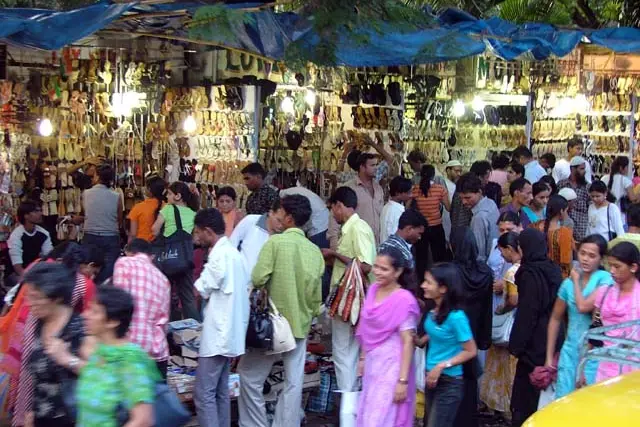
The Gateway is the natural start of a south Mumbai walk. Head inland and you’re quickly among the stalls of Colaba Causeway, a long street market of clothes, jewellery and trinkets.
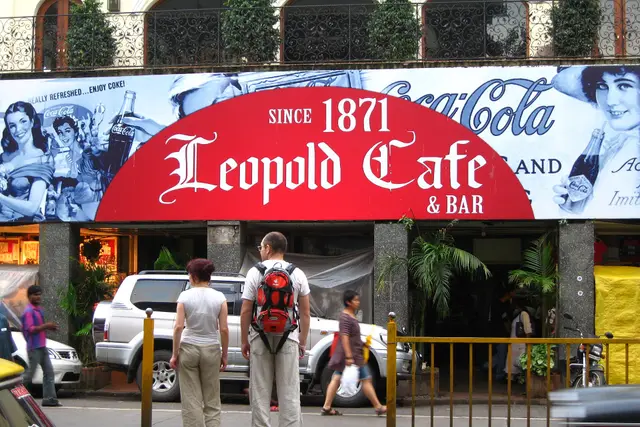
Leopold Cafe, an old Colaba institution, sits just off the Causeway. To the north, Regal Circle leads into the Kala Ghoda arts district. The Chhatrapati Shivaji Maharaj Vastu Sangrahalaya, the former Prince of Wales Museum, is the major collection here, so budget a couple of hours for it. Keep walking west and you’ll reach the curve of Marine Drive by dusk.
Frequently asked questions
How do I get to the Gateway Of India?
Take a local train to Churchgate (Western line) or CSMT (Central and Harbour lines), then a short metered taxi or app cab to Apollo Bandar in Colaba. From CSMT, it's also a walk of roughly half an hour south through Kala Ghoda.
How long should I spend there?
Give the arch and plaza 45 minutes to an hour. If you add the ferry to Elephanta Caves, which takes about an hour each way, plan on half a day.
When is the best time to visit?
October to February has the most comfortable weather. Arriving early in the day usually beats the tour groups. Evenings, especially at weekends, are the liveliest, when the low sun warms the yellow stone.
Can I take the Elephanta Caves ferry from here?
Yes. Ferries to Elephanta leave from the jetties right beside the Gateway. Buy tickets at the official booths, confirm the last boat back, and expect services to be suspended in rough monsoon seas between June and September.
What is nearby?
The Taj Mahal Palace hotel stands directly opposite. Colaba Causeway market and Leopold Cafe are a short walk away, and the Chhatrapati Shivaji Maharaj Vastu Sangrahalaya and the Kala Ghoda arts district are a little further north.
Plan your trip to Mumbai
Some links above are affiliate links — if you book through them, Wander Atlas earns a small commission at no extra cost to you. It's how we keep every guide free.