Why this Games matters
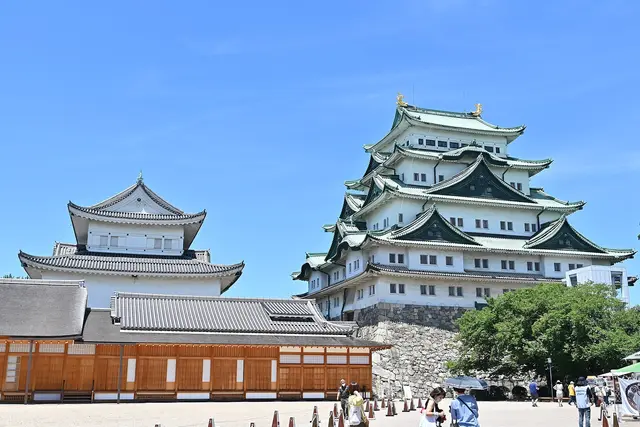
Nagoya is about to become the sporting center of Asia. From September 19 to October 4, 2026, the 20th Asian Games brings together athletes from across the continent, the largest multi-sport event in the region, bigger even than most people’s mental image of the Olympics in scale of nations involved.
You’ll feel it before you see a single event: banners on light poles along Otsu-dori, volunteers in matching windbreakers at Nagoya Station, countdown clocks in shopping arcades. Aichi Prefecture has been building toward this for years, and by the time the flame arrives, the whole region leans into it.
Getting to Nagoya
Nagoya sits on the Tokaido Shinkansen line, roughly 100 minutes from Tokyo and under an hour from Osaka on the fastest trains. Chubu Centrair International Airport, on an artificial island in Ise Bay, is the main gateway for international visitors and connects to Nagoya Station by train in about 30 minutes.
Once you’re in the city, the subway network (Higashiyama and Sakura-dori lines are the workhorses) reaches most central neighborhoods. Venues spread across Aichi Prefecture, not just Nagoya proper, so budget extra transit time for events held in satellite cities like Toyota or Okazaki.
- Shinkansen: Tokyo–Nagoya in ~100 min, Osaka–Nagoya in ~50 min
- Chubu Centrair Airport → Nagoya Station: ~30 min by Meitetsu train
- Local subway: Higashiyama Line and Sakura-dori Line cover the city core
What to expect at the venues
Details on exactly which arenas host which sports are still being finalized, so treat any specific venue list you see online as provisional until the organizing committee confirms it. What’s certain is that Nagoya’s existing sports infrastructure, built up over decades of hosting national tournaments, forms the backbone, supplemented by newer or renovated facilities across Aichi.
Expect the familiar Asian Games program: athletics, swimming, martial arts, team sports, and a wide slate of events that don’t always make the Olympic cut, from kabaddi to sepaktakraw. That breadth is part of the appeal. You can watch a sport you’ve never seen before, then walk out and get ramen.
Tickets and planning
Ticket sales, pricing tiers, and the detailed event calendar had not been fully published at the time of writing. Do not rely on secondhand price lists or resale sites for anything beyond a rough sense of scale.
Before you book flights or hotels, confirm dates, venues, and ticket details directly through the official Asian Games 2026 and Aichi-Nagoya organizing committee websites. These are the only sources that will reflect last-minute schedule changes, session times, and accredited resale channels.
- Confirm: exact venue per sport
- Confirm: ticket release date and pricing
- Confirm: opening/closing ceremony location and access
How to visit like a local
Nagoya locals treat big events with practical calm rather than frenzy. Expect efficient queuing, not chaotic crowds. IC transit cards (Manaca, or nationally compatible Suica/Pasmo) work across subway, bus, and most convenience stores, so get one on arrival rather than fumbling with cash tickets.
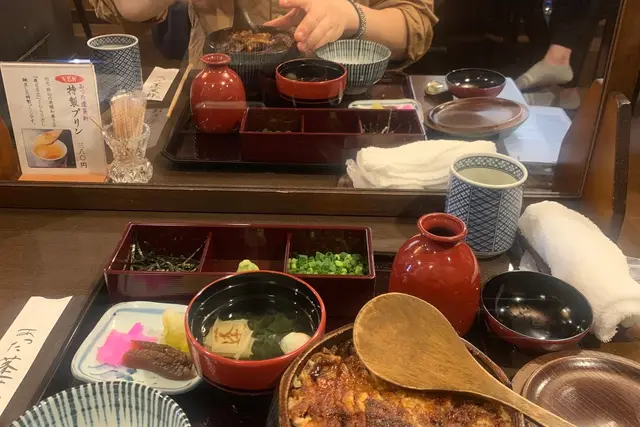
Meals near venues will likely mean long lines at peak session breaks, locals sidestep this by eating slightly off the main strip, a five-minute walk from the stadium gates, where prices stay normal and seats are open. Local Nagoya specialties are what’s worth seeking out here, not generic stadium concessions.
Avoid arriving at a venue right at the scheduled session start if you can help it. Locals build in a buffer, since security screening lines lengthen fast in the final 30 minutes before big sessions. Trains run precisely on schedule, but that also means missing one costs you real time. Check the last return train if you’re heading out to a satellite-city venue for an evening event.
The most common visitor mistake will likely be assuming all venues sit inside central Nagoya. Many don’t, factor in an extra hour of travel for events in outer Aichi cities.
Frequently asked questions
What are the exact dates of the 2026 Asian Games?
September 19 to October 4, 2026, held across Aichi Prefecture with Nagoya as the central host city.
Where can I buy tickets?
Ticket details had not been finalized at the time of writing. Buy only through the official Asian Games 2026 and Aichi-Nagoya organizing committee websites once sales open.
How do I get to Nagoya from Tokyo or Osaka?
The Tokaido Shinkansen connects Tokyo to Nagoya in about 100 minutes and Osaka to Nagoya in about 50 minutes.
Are all events held in Nagoya itself?
No — venues are spread across Aichi Prefecture, including satellite cities like Toyota and Okazaki, so check each event's specific location and add travel time.
What's the best way to get around during the Games?
Get an IC card (Manaca, Suica, or Pasmo) for the subway and buses; the Higashiyama and Sakura-dori lines cover most central Nagoya venues.
Plan your trip to Nagoya
Some links above are affiliate links — if you book through them, Wander Atlas earns a small commission at no extra cost to you. It's how we keep every guide free.