Why go
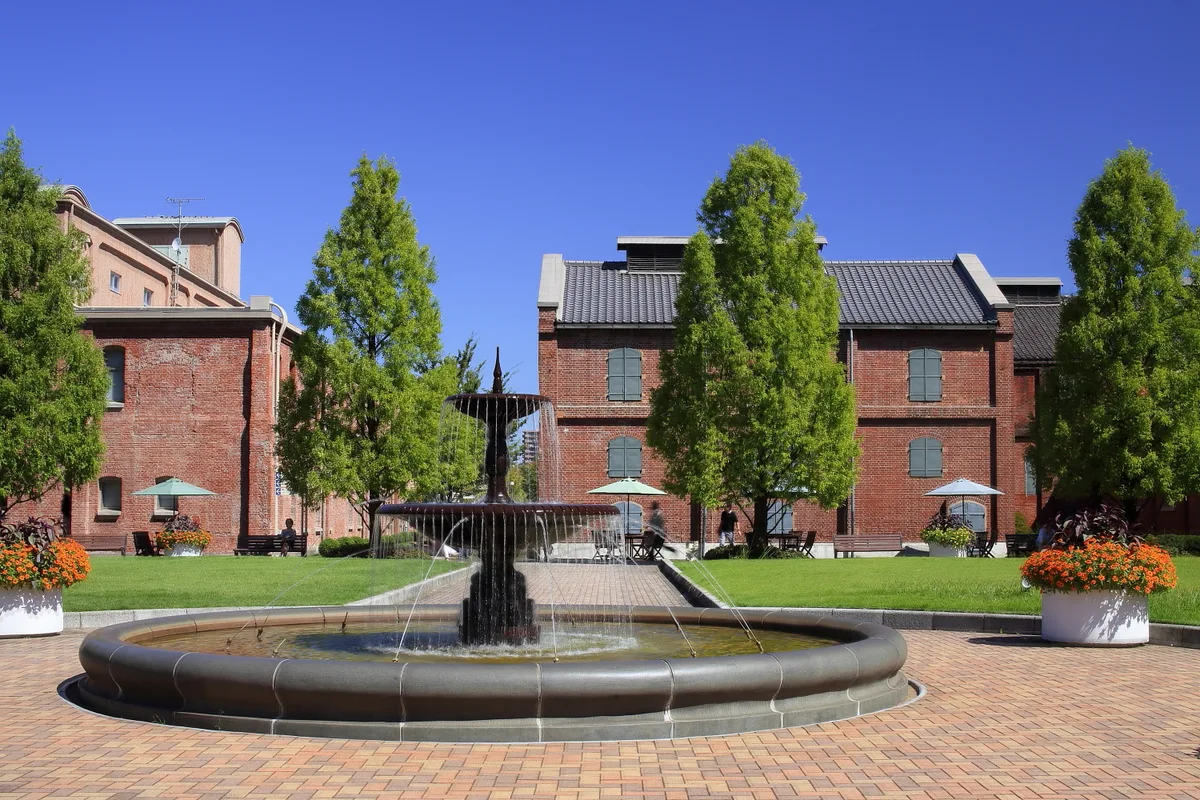
Noritake is one of Japan’s best-known tableware and porcelain brands, founded in Nagoya in 1904, and this site is the company’s original factory grounds turned public park and cultural complex. Unlike a purpose-built museum, the appeal here is the sense of layered history: red-brick kiln buildings from the early 20th century sit alongside ponds, lawns, and contemporary shop pavilions, so you’re walking through actual industrial heritage rather than a reconstruction.
It’s a genuine hidden-gem stop for anyone touring Nagoya beyond the usual castle-and-shrine circuit, quiet, walkable, and rarely thick with tour groups, which is reflected in its solid 4.1 rating across nearly 8,000 reviews.
Getting there
The garden sits at 3-chōme-1-36 Noritakeshinmachi in Nishi Ward. The easiest approach is the Higashiyama subway line to Kamejima Station, from which it’s roughly a 10–15 minute walk following signs toward the brick chimney visible above the rooftops, that chimney is a useful landmark if you lose your way. Alternatively, Nagoya Station (the main JR/Meitetsu/Kintetsu hub) is only about 1.5–2km away, making a taxi or a 20–25 minute walk feasible if you’re already in that area. Nagoya’s Meguru sightseeing bus does not typically stop here, so the subway is the most reliable route.
What to see and do
Plan for at least 90 minutes, longer if you want to try a craft activity. Highlights include:
- The old brick chimney and kiln buildings, remnants of the original Meiji- and Taisho-era factory, left standing as the centerpiece of the grounds.
- Noritake Museum, displays the company’s history and Old Noritake decorative porcelain from the early 1900s–1940s, prized by collectors for hand-painted Art Deco and Art Nouveau motifs.
- Craft Center, glass-walled workshop areas where you can watch artisans hand-paint plates and apply gold leaf detailing; several counters offer hands-on painting or pottery-decorating experiences for a modest fee, good for an hour-long activity with kids or as a rainy-day plan.
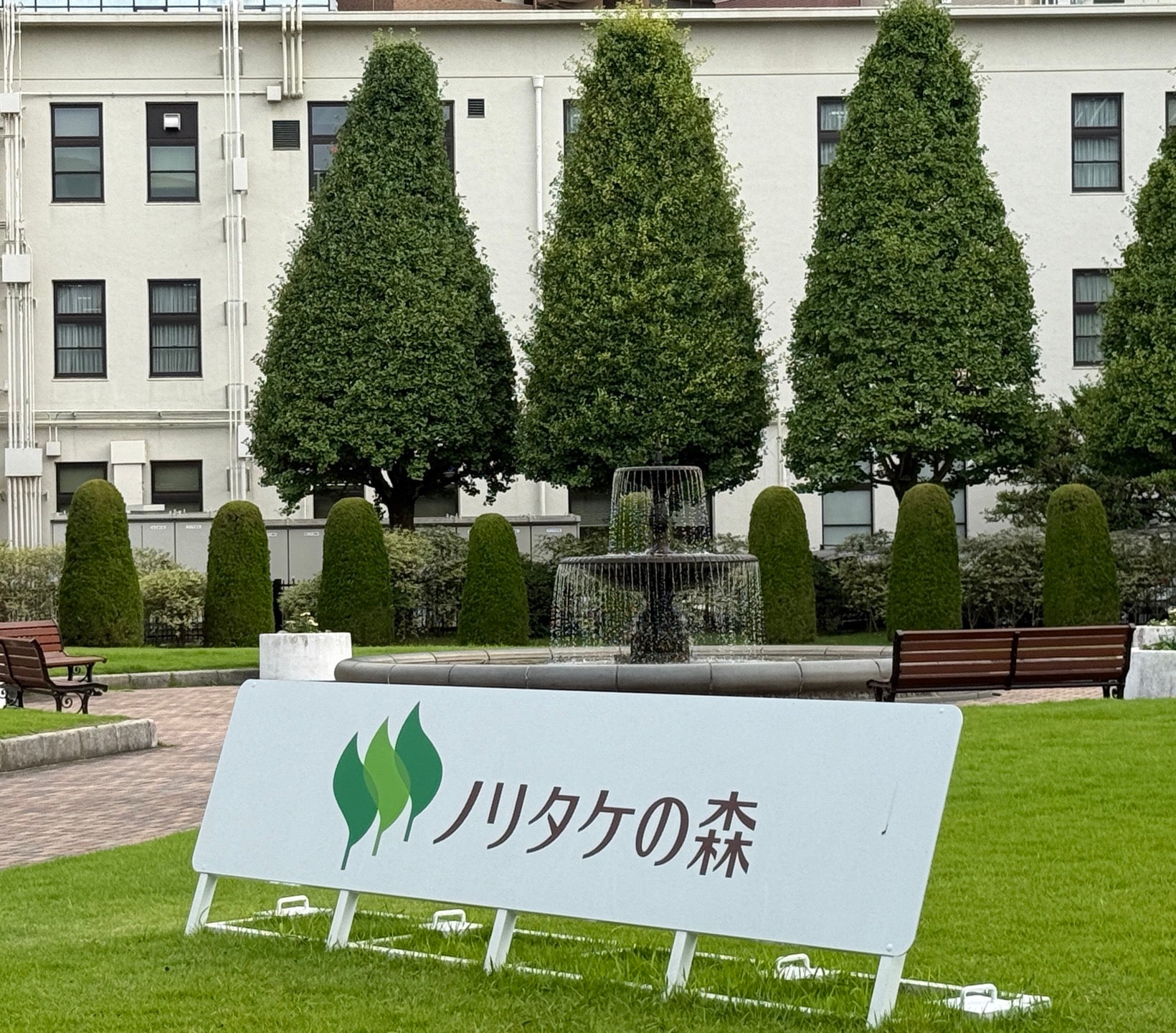
- Gardens and ponds, landscaped lawns, seasonal flower beds, and small ponds connecting the buildings, pleasant for a slow loop even if you skip the paid exhibits.
- Noritake shop, sells current tableware lines plus outlet-priced seconds and discontinued patterns, often the best reason locals visit; worth checking for deals not found in department stores.
- On-site café. A relaxed spot to sit with tea or coffee served, fittingly, on Noritake china.
When to go
Spring (cherry blossoms along the garden paths, roughly late March–early April) and autumn (koyo foliage, November) are the most photogenic seasons, but the site is pleasant nearly year-round since much of it is covered or shaded. Weekday mornings are quietest; weekends can bring families and school groups to the craft workshops. Because parts of the complex are indoors, it also works well as an alternative on a rainy Nagoya day when outdoor sightseeing is less appealing.
Nearby & practical tips
The Toyota Commemorative Museum of Industry and Technology, which covers the origins of the Toyota Group (itself connected historically to Noritake’s founders), is within easy walking or short-taxi distance and pairs naturally with a Noritake visit for an industrial-heritage half-day. Nagoya Station’s shopping and dining towers are close enough to combine with an afternoon here. Note that admission structures can change.
The garden grounds are often free to enter while the museum and hands-on craft experiences charge separate small fees, so check official signage or the ticket counter on arrival rather than assuming one price covers everything.
Comfortable shoes help since the grounds cover a fair amount of ground, and the shop area alone can easily absorb 20–30 minutes for anyone interested in ceramics.
Frequently asked questions
How do I get to Noritake Garden from Nagoya Station?
Take the Higashiyama subway line one stop to Kamejima Station, then walk about 10–15 minutes following the visible brick chimney. It's also walkable directly from Nagoya Station in about 20–25 minutes, or a short taxi ride.
How much time should I budget?
About 1.5 to 2 hours covers the museum, gardens, and shop at a relaxed pace. Add 30–60 minutes if you want to try a hands-on painting or pottery workshop at the Craft Center.
Is there an entry fee?
The garden and grounds are generally free or very low-cost to walk through, while the museum and craft workshops usually charge separate small fees. Prices and hours can change, so confirm at the entrance or official site before visiting.
What's the best time of year to visit?
Spring (late March–early April) for cherry blossoms and autumn (November) for foliage are the prettiest, but many attractions are indoors, so it's also a solid rainy-day option any season.
What else is nearby worth combining with this visit?
The Toyota Commemorative Museum of Industry and Technology is a short walk or taxi ride away and makes for a natural pairing on an industrial-heritage-themed half-day in Nagoya.
Plan your trip to Nagoya
Japan eSIM & staying connected →
Some links above are affiliate links — if you book through them, Wander Atlas earns a small commission at no extra cost to you. It's how we keep every guide free.