Musée Dobrée: Nantes Travel Guide (4.5★)

✓ Facts verified via Google Places · Sep 13, 2026
At a glance
Opening hours
- Monday: Closed
- Tuesday: Closed
- Wednesday: 10:00 AM – 6:00 PM
- Thursday: 10:00 AM – 6:00 PM
- Friday: 10:00 AM – 6:00 PM
- Saturday: 10:00 AM – 6:00 PM
- Sunday: 10:00 AM – 6:00 PM
Live foot-traffic data via BestTime.app
How this guide is made
Produced with AI assistance and reviewed against live data sources. Facts such as hours, ratings, and location come from Google Places; images are licensed or public domain. Details can change — please verify before visiting. Editorial policy
What you’re actually walking into
Musée Dobrée occupies a stone palace that Thomas Dobrée, a Nantes shipowner’s son, built in the mid-1800s purely to shelve his own collection. The building itself is the first exhibit: turreted, granite-fronted, more fortress than gallery, sitting on Place Jean V a short stroll from the cathedral.
Inside, the rooms still feel like a private house rather than a converted institution. Dobrée wanted a treasure chest, and the architecture delivers one, with heavy wooden doors and narrow window slits that keep the light low and the atmosphere close.
The collection itself
Dobrée was a compulsive, wide-ranging collector, and it shows. Expect to move between:
- Medieval and Renaissance ivories, enamels and reliquaries
- Illuminated manuscripts and rare printed books
- A coin and medal cabinet spanning several centuries
- Archaeological finds from Brittany and beyond
- Decorative arts picked up on his travels, from furniture to armor
Nothing here is arranged as a tidy chronological march. Cases group by material or theme, so you’ll find a 12th-century ivory carving a few steps from a Renaissance coin hoard. It rewards browsing rather than a fixed route.
Reading the building’s own history
Part of the site is the older Manoir de la Touche, a 15th-century manor that predates Dobrée’s palace and was folded into the museum grounds. Look for the join between the two structures; the manor’s timber-framed sections contrast with the palace’s stone bulk.
The whole complex sits inside what was once the walled precinct around the cathedral, so the museum is also a fragment of Nantes’s medieval street pattern, still legible if you know to look for it.

Getting there and timing your visit
The museum is at 1 Place Jean V, in the old center, walkable from Nantes’ main squares and well served by the tram network into the surrounding streets. Cathédrale Saint-Pierre-et-Saint-Paul is a five-minute walk, and the Château des Ducs de Bretagne is about ten minutes on foot, so it slots naturally into a half-day loop through the old town.
Opening hours are Wednesday through Sunday, 10am to 6pm; it’s closed Monday and Tuesday, so don’t build a Monday city-break itinerary around it. Weekends fill up between 11am and 6pm, so if you’d rather not share the smaller rooms with a crowd, aim for a weekday morning shortly after opening.
Visiting without the crowds
This is still a relatively under-the-radar stop compared with the château or the cathedral next door, and that’s part of its appeal. You won’t be fighting for space in front of the ivory cases the way you might at a bigger national museum.
Because the rooms are compact and low-lit, a handful of tour groups can noticeably change the feel of a visit. Wednesday or Thursday mornings, right at the 10am opening, tend to be the emptiest stretch before any weekend crush arrives.
Signage inside is primarily in French, so if you want depth on specific pieces, it’s worth reading up on Dobrée himself beforehand or asking staff at the entrance, who are generally happy to point out highlights in English.
Making the most of a short visit
Ninety minutes is enough to see the highlights properly; two hours lets you read the manuscript cases and linger over the coin collection. Bring your own explanations if French-only labels bother you, since deep object-level detail can be sparse in translation.
Combine it with a walk through the cathedral’s stained glass and the crypt, then finish at the château’s ramparts, and you’ve covered the three anchors of old Nantes in a single unhurried afternoon.
Frequently asked questions
What are Musée Dobrée's opening hours?
Wednesday to Sunday, 10am to 6pm. It's closed Monday and Tuesday, so plan around those two days.
When is the quietest time to visit?
Weekday mornings, right around the 10am opening, are calmest. Weekends get busy from 11am to 6pm, so avoid that window if you want the rooms to yourself.
How long should I spend at the museum?
Plan on 90 minutes to two hours to see the collection properly, including the coin cabinet and manuscript rooms.
Is Musée Dobrée near other Nantes attractions?
Yes. Cathédrale Saint-Pierre-et-Saint-Paul is about five minutes on foot, and the Château des Ducs de Bretagne is roughly ten minutes away, making it easy to combine all three in one outing.
Are the exhibits labeled in English?
Labeling is mainly in French. Staff at the entrance can usually point out highlights in English, but it helps to read a little about Thomas Dobrée's collection beforehand.
Plan your trip to Nantes
Some links above are affiliate links — if you book through them, Wander Atlas earns a small commission at no extra cost to you. It's how we keep every guide free.
Related guides
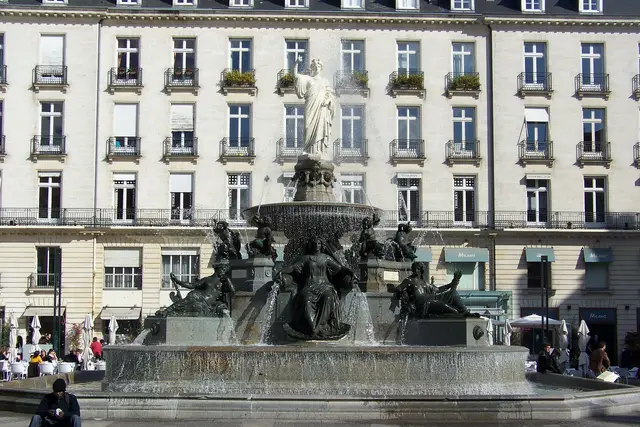 attraction
 Place Royale: Nantes Travel Guide (4.6★)
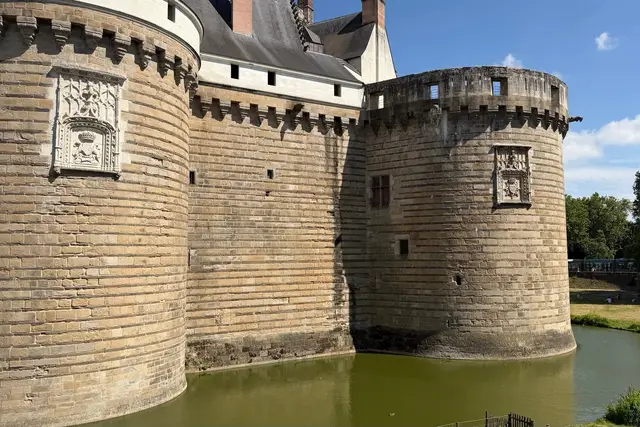 attraction
 Château des ducs de Bretagne: Nantes Travel Guide (4.5★)
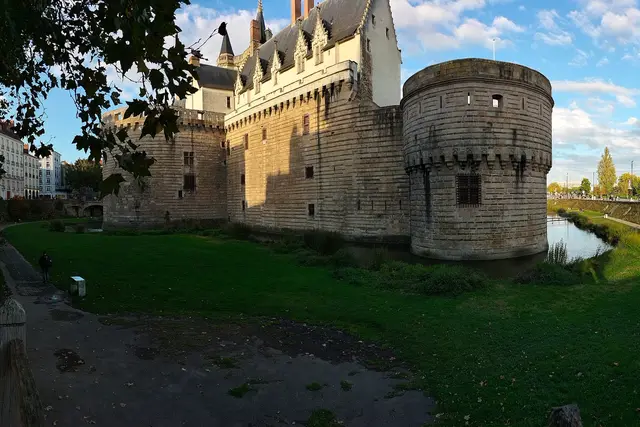 hidden gem
 Douves du Château: Nantes Travel Guide (4.5★)
 attraction