France · Region
Nantes
Nantes blends a fairy-tale medieval château with some of France's boldest contemporary art and engineering, most famously the giant mechanical elephant and fantastical creatures of Les Machines de l'île on a former shipyard beside the Loire. Once a major slave-trading and shipbuilding port, the city has reinvented its docklands into a green, bike-friendly showcase of urban renewal without losing its half-timbered old town.
Top attractions
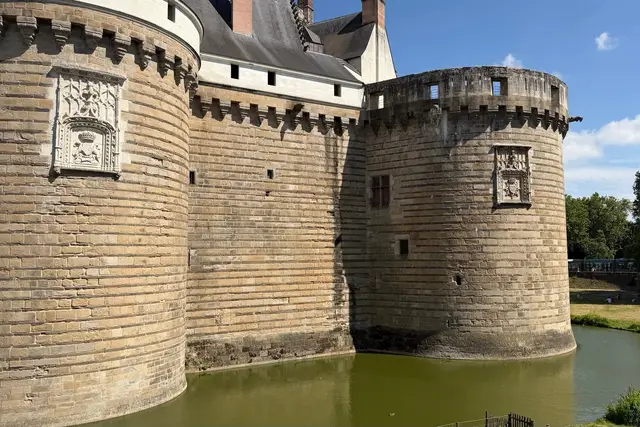 attraction
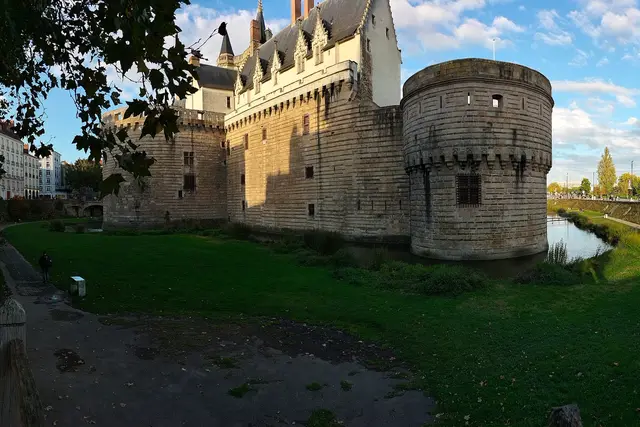
 Château des ducs de Bretagne: Nantes Travel Guide (4.5★)
The Château des ducs de Bretagne sits right in central Nantes at 4 Pl. Marc Elder, open daily 10am–7pm. 4.5★ (24,811 reviews) — what visitors say, hours, and tips.
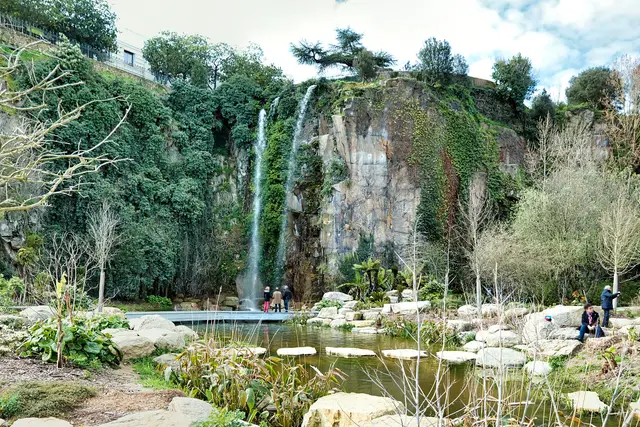 attraction
 Le Jardin Extraordinaire: Nantes Travel Guide (4.4★)
Le Jardin Extraordinaire sits in the Malakoff district of Nantes, built into a disused quarry with cliff walls, palms, banana trees and a man-made waterfall. 4.4★ (4,839 reviews) — what visitors say, hours, and tips.
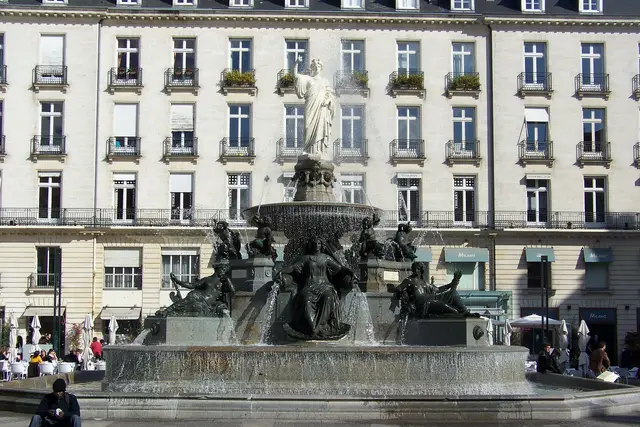 attraction
 Place Royale: Nantes Travel Guide (4.6★)
Place Royale is a pedestrian square in central Nantes, a short walk from the Bouffay district and Passage Pommeraye, built around a stone fountain that personifies the Loire and its tributaries. 4.6★ (2,695 reviews) — what visitors say, hours, and tips.
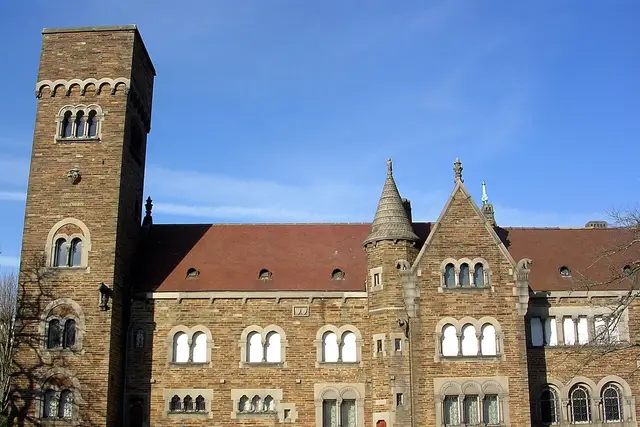 attraction
 Musée Dobrée: Nantes Travel Guide (4.5★)
Musée Dobrée sits on Place Jean V in central Nantes, a granite-walled 19th-century palace built to house shipowner Thomas Dobrée's private collection of medieval art, manuscripts and coins. 4.5★ (1,030 reviews) — what visitors say, hours, and tips.
Top-rated things to do in Nantes
Live prices from Klook. Booking through these links supports our free guides at no extra cost to you.
Where to stay in Nantes
Compare Nantes hotels and stays at the lowest price — deals, ratings, and real traveler reviews.
Search hotels in Nantes →Booking links are affiliate links — booking through them supports our free guides at no extra cost to you.
Plan your trip to Nantes
Some links above are affiliate links — if you book through them, Wander Atlas earns a small commission at no extra cost to you. It's how we keep every guide free.
When to visit France: month-by-month weather, crowds and holidays →
Frequently asked questions about Nantes
How do I get to Nantes?
Most travellers fly into Nantes Atlantique Airport (NTE), located <cite index="1-2">8 kilometres (5.0 mi) southwest of the city, in Bouguenais</cite>, then take a shuttle bus into the centre; by rail, high-speed TGV services link <cite index="15-14">Nantes station, which connects to Paris Gare Montparnasse</cite>, with the fastest trains covering the route in <cite index="11-16,11-17">2 hours and 0 minutes</cite>, though journeys of ~2.5–3 hours are also common.
How many days should I spend in Nantes?
Plan on ~2-3 days to explore the Château des Ducs de Bretagne, the historic centre, and the Île de Nantes with its mechanical creatures, with an extra day if you want to add a Loire Valley or coastal side trip.
What is Nantes known for?
Nantes blends a fairy-tale medieval château with some of France's boldest contemporary art and engineering, most famously the giant mechanical elephant and fantastical creatures of Les Machines de l'île on a former shipyard beside the Loire. Once a major slave-trading and shipbuilding port, the city has reinvented its docklands into a green, bike-friendly showcase of urban renewal without losing its half-timbered old town.