
Start on Wellington Street and look up the lawn. Three Gothic Revival blocks of rough sandstone face you, with green copper roofs and pointed windows. The Peace Tower rises from the middle of the central building. Behind them, out of sight, the ground drops away in a cliff to the Ottawa River, and Quebec sits on the far bank.
This is the seat of Canada’s Parliament. It is also one of the most visited places in the country, so plan for company.
Reading the three blocks
The layout is simple once you know it. Centre Block holds the Peace Tower. West Block is on your left as you face the river, and East Block is on your right.
Most of what you see dates from after 1916, when fire destroyed the original Centre Block. The Library of Parliament survived it. That’s the round, many-sided building at the back with the conical roof, and its iron doors were closed in time to save it. The Peace Tower went up as part of the rebuild and was finished in 1927.
Things to find on the lawn and grounds:
- The Centennial Flame, lit for Canada’s 100th birthday in 1967, burning above a fountain ringed with provincial and territorial shields
- The Peace Tower clock and carillon, a set of bells you can hear across downtown during recitals
- “Women Are Persons!”, the Famous Five monument honouring the campaign that got women recognised as persons under Canadian law
- The statues of prime ministers and monarchs set along the paths behind the buildings, looking out over the river
The scaffolding years
Expect cranes. Centre Block closed in 2019 for a renovation expected to run into the 2030s. It is the largest heritage rehabilitation project in the country, and parts of the front are fenced and wrapped.
Parliament didn’t stop working. The House of Commons moved into West Block, where a new chamber was built under a glass roof inside the old courtyard. The Senate moved down the street to the Senate of Canada Building, the former train station beside the Château Laurier.
So a tour today shows you a working, temporary Parliament. Ask at the welcome centre or check the official site for what is open on your dates, because the route changes as the work moves on.

Getting onto a tour
Getting in takes a ticket and a security check. Tours are free, but they run on timed tickets, and summer slots fill up. Reserve on the official Parliament of Canada visitor site rather than turning up and hoping.
The entrance is the Visitor Welcome Centre, built below ground in front of West Block. Screening works like an airport, so leave large bags and anything sharp at your hotel. Turn up before your tour time so the line at the scanners doesn’t cut into it. Tours are offered in English and French; choose the language when you book.
To watch MPs at work, the public galleries are open for Question Period on sitting days. The House calendar on the official site shows when Parliament is sitting, and it doesn’t sit during summer recess.
Behaviour inside is formal. Photography rules change by room, so follow what the guide says. Staff and guards answer in English or French, and a “bonjour” at the start goes down well in this bilingual city.
Mornings with the Ceremonial Guard
The lawn has its own summer ritual. From late June to late August, the Changing of the Guard takes place on the front lawn on summer mornings. Soldiers in red tunics and bearskin hats march up Wellington Street with a band and do the ceremony on the grass.
It draws a crowd. People line the rope early and the front row goes first, so come well before the start if you want a clear view. Check the Canadian Armed Forces ceremonial schedule for this year’s dates and start time, as both can shift.
Canada Day, 1 July, is another story. The Hill becomes the centre of the national celebrations, with security perimeters and very large crowds. Come for the atmosphere, not for a quiet look at the architecture.
When to come and how long to stay
Hours for the grounds and tours shift through the year and depend on the parliamentary calendar. The official visitor site has this month’s schedule, so check it before you set off.
Allow around 2–3 hours for a tour, a loop of the grounds and a stop at the back of the Library to look over the river. Late spring and early autumn are mild and easier than July. In winter the lawn is snowy and calm, and the buildings look sharp against the white.
Getting there on foot and by train
You’ll get here on foot, by train or by bus. Parliament station on O-Train Line 1 is under Queen Street, a short walk south of the Hill. Lyon station, one stop west, works too.
Coming from the hotels around the ByWard Market, you’ll walk in about ten minutes. Cross the Rideau Canal on Wellington Street, pass the Château Laurier, and the Hill opens up on your right. Parking downtown is limited and security closes off Wellington Street at times, so transit is the easier choice.
Down the locks and across the canal
Some of Ottawa’s best sights are within a few minutes’ walk. Right beside the Hill, the Ottawa Locks step the Rideau Canal down to the river in a flight of eight locks. The canal is a UNESCO World Heritage Site, and in summer you can watch boats being lifted through the locks by hand-cranked gates.
From there:
- Major’s Hill Park, across the canal, has the classic view back at the Library and the Peace Tower
- The National Gallery of Canada, with Maman, the giant spider sculpture, out front
- The ByWard Market, for lunch after your tour
- The Terry Fox statue, across Wellington Street, facing the Hill
If you only have time for one extra stop, walk to Major’s Hill Park. It gives you the clearest look at the back of the Hill, the side the front lawn doesn’t show you.
Frequently asked questions
How do I get to Parliament Hill by public transit?
Take O-Train Line 1 to Parliament station, which is a short walk south of the Hill on Wellington Street. Lyon station, one stop west, is also close. From the ByWard Market it's about a ten-minute walk across the Rideau Canal.
Can I go inside Centre Block?
Centre Block has been closed since 2019 for a long renovation expected to run into the 2030s. For now, tours visit the House of Commons in West Block and the Senate in the Senate of Canada Building. Book a timed ticket on the official Parliament of Canada visitor site.
How long should I spend at Parliament Hill?
Allow around 2–3 hours for a guided tour, a walk round the grounds and the view over the Ottawa River from behind the Library of Parliament. Add an hour if you also want to see the Rideau Canal locks and Major's Hill Park.
When is the Changing of the Guard?
It takes place on the front lawn on summer mornings, roughly late June to late August. Dates and start times can change each year, so check the official ceremonial schedule and come early for a view from the rope.
What should I know about security?
Everyone entering the buildings goes through airport-style screening at the Visitor Welcome Centre in front of West Block. Leave large bags and sharp items behind, and arrive before your tour time so the screening line doesn't make you late.
Plan your trip to Ottawa
Canada eSIM & staying connected →
Some links above are affiliate links — if you book through them, Wander Atlas earns a small commission at no extra cost to you. It's how we keep every guide free.
Related guides
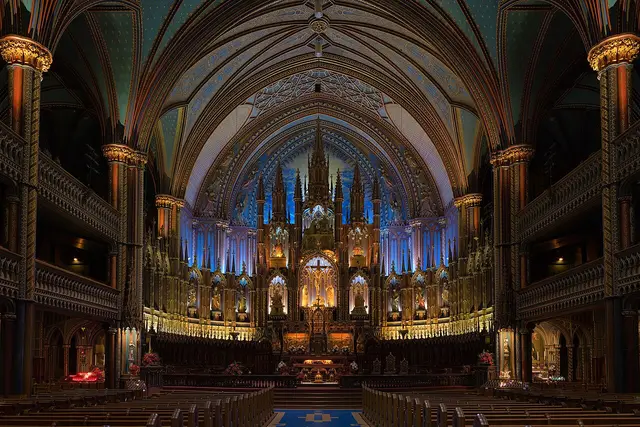 attraction
Notre-Dame Basilica of Montreal: Travel Guide (4.7★)
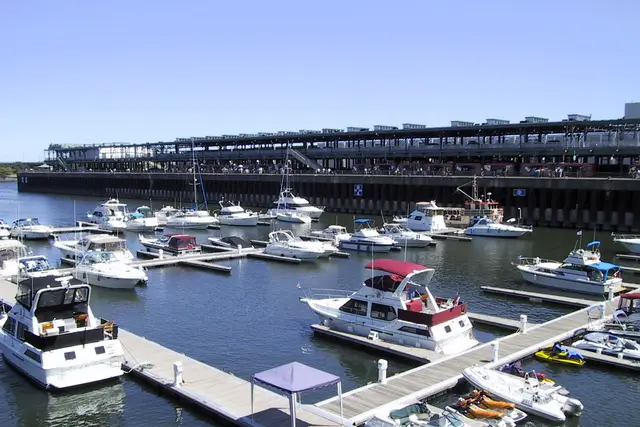 attraction
Vieux-Port de Montréal: Montreal Travel Guide (4.7★)
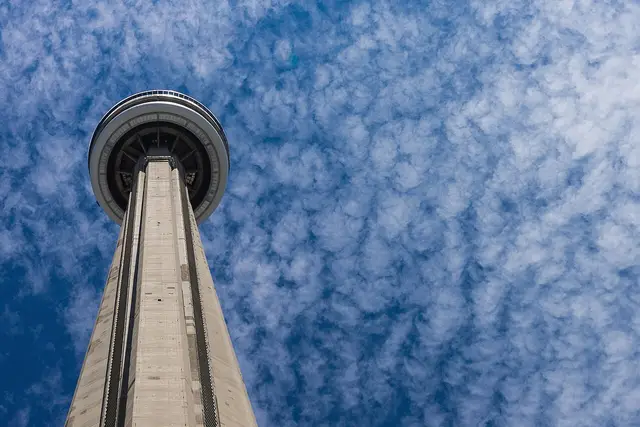 attraction
CN Tower: Toronto Travel Guide (4.6★)
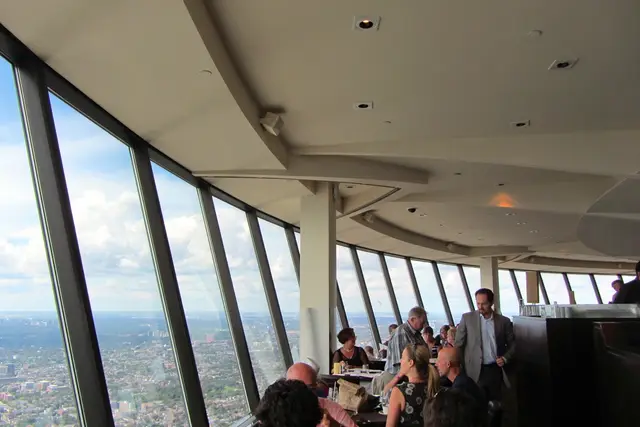 attraction