Why go
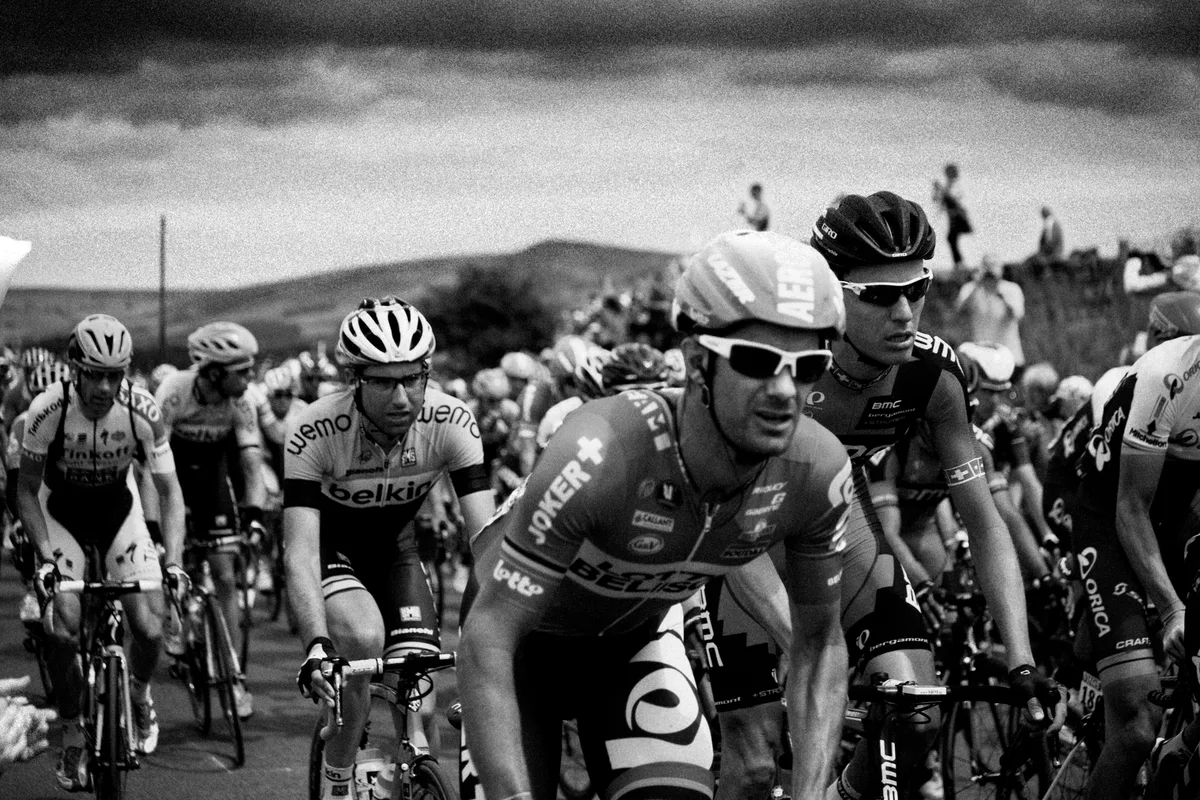
The Tour de France is the sport’s biggest stage, and the final weekend is where the overall winner is effectively decided and then celebrated. The 2026 edition, its 113th, was set to start in Barcelona on July 4 and cover 3,333 km across France before a grueling run through the Alps in the closing days. Seeing a mountain finish and the Paris arrival in the same trip shows both faces of the race: raw suffering on the climbs and pure spectacle on the boulevards.
Unlike most major sporting events, admission to the roadside is free. It’s a matter of knowing where to stand and when.
Getting there
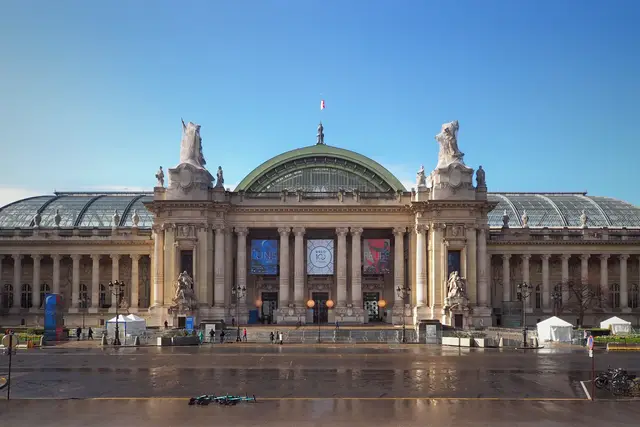
Paris is the obvious base: it’s served by two major airports (Charles de Gaulle and Orly) and the Gare du Nord/Gare de Lyon rail hubs, with Eurostar and TGV links from across Europe. The finish traditionally loops through central Paris past the Place de la Concorde and along the Champs-Élysées, and recent editions have included a circuit near the Eiffel Tower and Trocadéro rather than a single straight run to the Champs-Élysées.
The nearest Métro stations to the traditional finish straight are Concorde (Lines 1, 8, 12) and Champs-Élysées–Clemenceau (Lines 1, 13). The preceding Alpine stages were scheduled for July 24-25, with host towns and climbs named separately (historically, passes like the Col du Galibier, Alpe d’Huez, or the Col de la Loze have featured in recent Tours). Regional TGV plus local shuttle buses are usually the way in, and roads close hours before the riders arrive.
What to see
Beyond the racing itself, the finish weekend turns central Paris into a free festival: the Tour caravan (sponsor vehicles tossing out trinkets) precedes the riders by up to an hour, giant screens broadcast the final kilometers, and team buses and the podium ceremony draw crowds near the finish line. In the mountains, the appeal is different, spectators camp roadside for a full day to see riders for a matter of seconds, often with campervans lining hairpin bends the night before.
A common approach for anyone not chasing a specific climb is watching TV coverage from a Paris café terrace the day before the finish, then heading out for the arrival itself, a realistic way to combine both.
When to go
The closing window was set for July 24-26, 2026, with the decisive Alpine stages leading into the July 26 Paris finish. Sprint finishes in the Champs-Élysées area have historically arrived in the early evening, after a full afternoon of laps. Mountain stage finishes follow their own schedule, dictated by stage length and rider pace, and spectators aiming for an Alpine summit finish are typically in position by early-to-mid afternoon, since roads close well ahead of the peloton.
How to visit like a local
Regular Tour spectators pick a spot and settle in early rather than chasing the peloton, barriers along the Paris finish straight fill up hours before the actual finish, so locals bring a folding chair, a baguette-and-cheese picnic, and something to pass the time during the caravan. Payment for anything bought roadside (crêpes, drinks from a pop-up stand) is typically cash or card, same as anywhere in the city, but there’s no ticket or fee for simply watching from the barriers.
The biggest mistake first-timers make is treating it like a stadium event with a single dramatic entrance, in reality the race passes multiple times if there’s a finishing circuit, and each viewing spot has its own pass times rather than one fleeting moment. Driving to or near an Alpine mountain stage on race day isn’t an option either; roads shut down early and stay closed until well after the last rider and broadcast vehicles clear.
Routes and host towns are typically finalized only a few months ahead of each Tour. letour.fr is the official Tour de France website, covering stage towns, the Paris circuit and any ticketed grandstand options.
Frequently asked questions
Do I need a ticket to watch the Tour de France?
No — roadside viewing along the route, including the Paris finish, is free. Paid grandstand seating near the finish line has been offered in some past editions.
What's the best Métro stop for the Paris finish?
Concorde (Lines 1, 8, 12) and Champs-Élysées–Clemenceau (Lines 1, 13) are the closest stations to the traditional finish area. Recent editions have also used a circuit near the Eiffel Tower and Trocadéro.
How early should I arrive to get a good viewing spot?
At the Paris finish, spectators who want a barrier spot generally take it three to four hours ahead, before the crowd builds. For Alpine stage finishes, early-to-mid afternoon is the practical limit, since roads close well before the riders pass.
How long should I plan to spend watching a stage?
A stage takes most of a day. The sponsor caravan and buildup precede the riders by up to an hour, and mountain stages involve hours of roadside waiting for a brief pass-through.
Where can I confirm the official 2026 route and schedule?
letour.fr, the official Tour de France website, is the reference for stage towns, the Paris circuit and stage timings.
Plan your trip to Paris
France eSIM & staying connected →
Some links above are affiliate links — if you book through them, Wander Atlas earns a small commission at no extra cost to you. It's how we keep every guide free.