A city park that is mostly bush
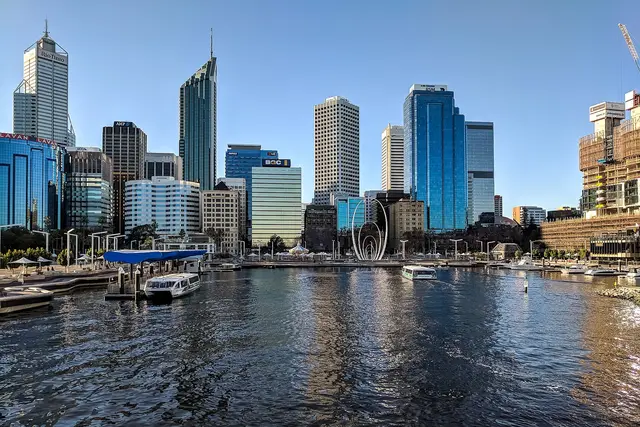
Stand at the lookout on Fraser Avenue and Perth is laid out below you. The glass towers of the CBD sit on your left. The Swan River widens into Perth Water and Melville Water, and on a clear day the Darling Range shows as a low blue line to the east.
Turn around and you face something quite different. Kings Park covers roughly 400 hectares of Mount Eliza, and about two-thirds of it is remnant native bushland: banksia, sheoak and eucalypt woodland crossed by walking trails. The Noongar name for the hill is Kaarta Gar-up, and it was a meeting place long before the colony arrived.
It is one of the most-reviewed attractions in Western Australia and very well visited. Do not expect solitude on a weekend afternoon. Do expect enough room that a short walk off the main lawns puts you among trees.
Fraser Avenue and the memorials
Most visits start on Fraser Avenue. The road is lined with tall lemon-scented gums, pale-trunked and planted in neat rows, and it runs along the escarpment edge past the park’s main buildings.
At its end stands the State War Memorial precinct:
- The Cenotaph, a granite obelisk facing the river
- The Court of Contemplation, with the Eternal Flame burning in a reflective pool
- The Pool of Reflection, set below street level beside the Flame
This is where Perth holds its Anzac Day Dawn Service on 25 April, one of the largest in the country. Away from Fraser Avenue, the Honour Avenues along May Drive and Lovekin Drive line the roads with trees and small plaques. Each one names a Western Australian who died in war. Walking a stretch of them and reading the names takes ten quiet minutes, and it is time well spent.
Into the canopy: the Federation Walkway
The Lotterywest Federation Walkway is the best-known route through the Botanic Garden. A path leads to a glass-and-steel bridge that arches through the crowns of a stand of eucalypts. Below you are the gardens. Through the leaves you look across the river.
Around it, the Western Australian Botanic Garden is planted with flora from across the state. Gardens are grouped by region and habitat, so in an hour you move from Kimberley species to the southwest’s banksias and kangaroo paws. Signs name the plants. Few botanic gardens anywhere focus this closely on a single state’s native plants.
Allow one to two hours for the walkway and garden loop. Add more time if you have children: the Rio Tinto Naturescape area is built for climbing, creek-wading and getting muddy.

The boab that came south
The garden’s oddest resident is Gija Jumulu, a giant boab tree. It was moved roughly 3,200 kilometres by road from the Kimberley in 2008, when a highway project threatened it. It is estimated to be around 750 years old.
The tree stands in the garden with its swollen grey trunk. Boabs are leafless for part of the dry season, so depending on the month you will see either bare branches or a full green crown. Either way, it is worth seeking out, partly because nobody seeing it in the Kimberley would expect to find it on a Perth hillside.
Spring is the other reason to come. From roughly August to October the bushland and garden beds flower, and the Kings Park Festival in September builds a program of displays and guided walks around the wildflower season. Check the park’s official site for each year’s dates.
Getting up Mount Eliza
The park is close to the city but sits well above it. Your options:
- On foot from the CBD: walk west along St Georges Terrace and up Mount Street. Fitness-minded locals climb Jacob’s Ladder, a steep public staircase off Cliff Street, and then continue up into the park.
- By bus: Transperth route 935 runs from the city to the park. Check Transperth’s journey planner for current stops and timetables.
- By car: there is parking along Fraser Avenue and at other car parks in the park. Read the signs on arrival, because parking rules and payment differ between areas.
Entry to the park itself is free. Paid tours or events, where they exist, are listed on the official Kings Park website.
How Perth spends a weekend on the lawns
Locals use Kings Park as a backyard, and fitting in is simple.
- Bring a picnic. The lawns near Fraser Avenue and the Synergy Parkland fill with rugs, eskies and birthday parties. Public barbecues are dotted around the picnic areas. Clean the plate when you finish, because the next family is usually waiting.
- Treat the memorials as memorials. People do not picnic, play music or climb at the Cenotaph or the Eternal Flame. Hats off and voices down feel natural there.
- Stay on the bush trails. The bushland is fragile, and in warmer months snakes are part of it. Keep to marked paths, especially with children.
- Come up for sunset. On fine evenings people gather at the Fraser Avenue lookout and along the escarpment as the light changes over the river and the city lights come on.
- Pack for the sun. Shade on the lawns goes fast in summer, and the escarpment gets the afternoon glare. Bring water, a hat and sunscreen.
The cafés and restaurant on Fraser Avenue are handy for coffee. Prices are on their menus, not something to plan around in advance.
Timing your visit around the crowds
The park never closes, so timing is about crowds, not locked gates. On weekdays it is quiet right through from 7am to 11pm, so almost any weekday hour gives you easy parking and an empty bridge.
Weekends are a different story. Only 7am–8am is calm. From 9am to 10pm the weekend crowd is out, the lawns are full, Fraser Avenue parking is tight, and the Federation Walkway queues at its narrow points.
If you only have a Saturday or Sunday, go early: be on Fraser Avenue by 7am for the view, walk the bridge before 8am, and leave as the picnic crowd arrives. Otherwise, choose a weekday. You will get the same river, the same boab and much more room.
Frequently asked questions
When is the quietest time to visit Kings Park?
On weekdays it is quiet all day, from 7am to 11pm. On weekends only 7am–8am is calm. Avoid weekends between 9am and 10pm, the busiest stretch.
Is Kings Park open at night?
Yes. The park is open 24 hours every day, and sunset and evening views from the Fraser Avenue lookout are popular. Paths through the bushland are best walked in daylight.
How do I get to Kings Park from Perth CBD?
Walk west up St Georges Terrace and Mount Street, or climb Jacob's Ladder off Cliff Street. Transperth bus route 935 also runs from the city. Check the Transperth journey planner for current stops.
How long should I spend at Kings Park?
Allow two to three hours for Fraser Avenue, the State War Memorial, the Federation Walkway and the Botanic Garden. Allow half a day if you add a picnic, the bush trails or the Rio Tinto Naturescape with children.
When is wildflower season at Kings Park?
Roughly August to October. The Kings Park Festival in September is built around the flowering season. Check the official Kings Park website for each year's dates.
Plan your trip to Perth
Some links above are affiliate links — if you book through them, Wander Atlas earns a small commission at no extra cost to you. It's how we keep every guide free.