Steel, bulbs and a star the size of a house
A parol starts out as a star. In San Fernando it ends up as something closer to a building: a circular steel frame several metres across, wired with thousands of bulbs and covered in coloured plastic or capiz-style panels. Lit at full power, the light is strong enough to throw colour onto the crowd watching it.
This is Ligligan Parul, Kapampangan for “lantern competition.” Barangays across the city put up entries that their own craftsmen have spent months building. The judges score them on design and on how the light moves. The crowd scores them louder.
What the December 13 to January 1 run looks like
The 2026 edition runs from December 13, 2026 to January 1, 2027. The judged competition is the centrepiece and the moment most visitors come for. Outside that, the run carries the city’s Christmas season through to New Year’s Day.
The festival grew out of the lubenas, the small lantern processions held in Pampanga’s towns in the early twentieth century. Over the decades the lanterns got bigger, went electric and became a contest. Today the bragging rights go to the barangay that wins, and to the family of builders behind its lantern.
The City Government of San Fernando organises the event. Its tourism office is the source for the venue, the competition night and any entry or ticketing arrangements for the year.
The rotor: why the lanterns seem to dance
The lights do not just blink. Each lantern is driven by a rotor: a large rotating drum, traditionally wound with masking tape and fitted with metal pins. As the drum turns, the pins open and close circuits to different clusters of bulbs. Because of that, patterns ripple outward, petals open and colours chase each other round the star.
A team of handlers works the rotors by hand behind the lantern, and the sequence is the builders’ closely kept secret. A strong entry runs through several movements, each one changing the shape of the star. Watching the people at the rotors is half the appeal once you know they are there.
Expect music synced to the light show on competition night. Expect lanterns that fill your whole field of view too, even from the back of the crowd.
Getting to San Fernando
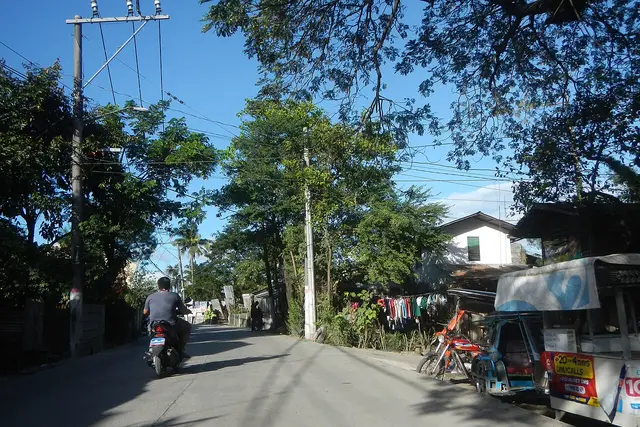
San Fernando is the capital of Pampanga, roughly 60–70 km north of Metro Manila. Most visitors drive up the North Luzon Expressway (NLEX) and take the San Fernando exits. Without heavy traffic the trip usually takes around an hour or a bit more from northern Manila. December is not light-traffic season, though.
Other common routes:
- Bus: Pampanga-bound buses leave from terminals in Cubao and Pasay, and many drop passengers along the city’s main roads.
- Clark International Airport: about a 30–45 minute drive north, handy for anyone flying in from abroad or from the Visayas and Mindanao.
- Staying over: visitors who stay late often book hotels in San Fernando itself or in Angeles City and Clark, rather than making the drive back to Manila at night.
Finding your spot on competition night
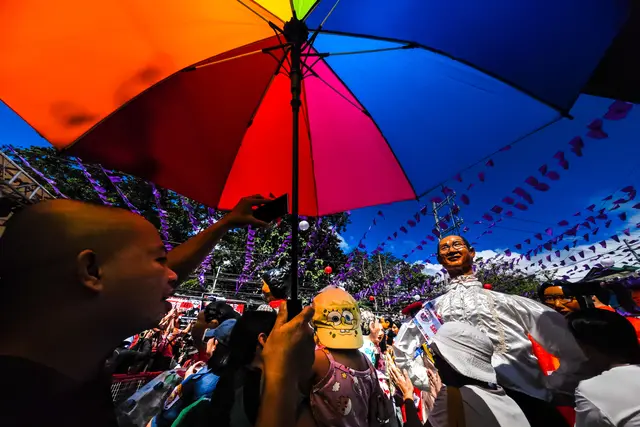
On competition night the crowd builds steadily from late afternoon. Families usually come early enough to settle in, and many bring folding stools or something to sit on. The lanterns face the judges, so the best views tend to be front-on and slightly back, where you see the whole star rather than one glowing segment.
A few things regulars usually do:
- Cheer for a barangay. Supporters come in groups, sometimes in matching shirts, and the applause after each lantern is part of the scoring atmosphere.
- Stay through every entry. The lanterns light up one after another and then together, and the full ensemble at the end is the shot everyone waits for.
- Shoot video, not just photos. A still image cannot capture what a rotor does. A clip of thirty seconds will.
- Carry small cash. Food vendors around the venue mostly work in cash, and mobile payment like GCash is common but not universal.
Getting out after the finale is the slowest part of the night. Many people stay for street food while the parking areas and roads clear, rather than joining the first wave of cars.
The parol stalls along the roads
The festival is only the showcase. The trade runs all season. Workshops and roadside stalls across San Fernando sell parols in every size, from small star lanterns for a window to large wired ones with their own blinking patterns. Many families in the city have built lanterns for generations, and some of the competition craftsmen sell smaller pieces too.
Buyers usually look at the frame and the wiring as much as the colour. Prices are set at the stall, and haggling politely on larger pieces is normal. Bigger lanterns are often packed flat or partly assembled, so give some thought to how one fits in a car or a suitcase.
Eating Kapampangan between lanterns
Pampanga is the province Filipinos credit with some of the country’s best cooking, and December is a good time to eat through it. Sisig, the sizzling plate of chopped pork with onion and calamansi, comes from this province; Angeles City, just north, is where it was popularised. Other local dishes to look for:
- Tocino: sweet cured pork, a Pampanga breakfast staple.
- Bringhe: a Kapampangan sticky rice dish with coconut milk and turmeric, often cooked at Christmas.
- Tibok-tibok and other kakanin: rice and milk sweets sold around the holidays.
During the day, the Metropolitan Cathedral of San Fernando sits in the old town centre, and the area around it has heritage houses from the Spanish and American periods. A daytime walk there, Kapampangan food in the afternoon and the lanterns after dark is how many visitors spend the day.
Frequently asked questions
When is the Giant Lantern Festival (Ligligan Parul) 2026?
The 2026 edition runs from December 13, 2026 to January 1, 2027 in San Fernando, Pampanga. The judged lantern competition is the centrepiece of the run.
Who organises the festival, and where are venue and ticket details?
The City Government of San Fernando organises Ligligan Parul. Its tourism office is the source for the venue, the competition night and any entry arrangements.
How do I get to San Fernando from Manila?
Most people drive north on NLEX and take the San Fernando exits, roughly 60–70 km from Metro Manila. Pampanga-bound buses run from Cubao and Pasay, and Clark International Airport is about 30–45 minutes north of the city.
What makes the giant lanterns move?
Each lantern has a hand-turned rotor, a rotating drum fitted with pins, that switches clusters of bulbs on and off in sequence. That is what makes patterns ripple and colours chase around the star.
What else is there to do nearby?
Visitors browse parol stalls and workshops around the city, visit the Metropolitan Cathedral of San Fernando and the heritage houses near it, and eat Kapampangan food such as sisig, which was popularised in nearby Angeles City.
Plan your trip to San Fernando
Philippines eSIM & staying connected →
Some links above are affiliate links — if you book through them, Wander Atlas earns a small commission at no extra cost to you. It's how we keep every guide free.