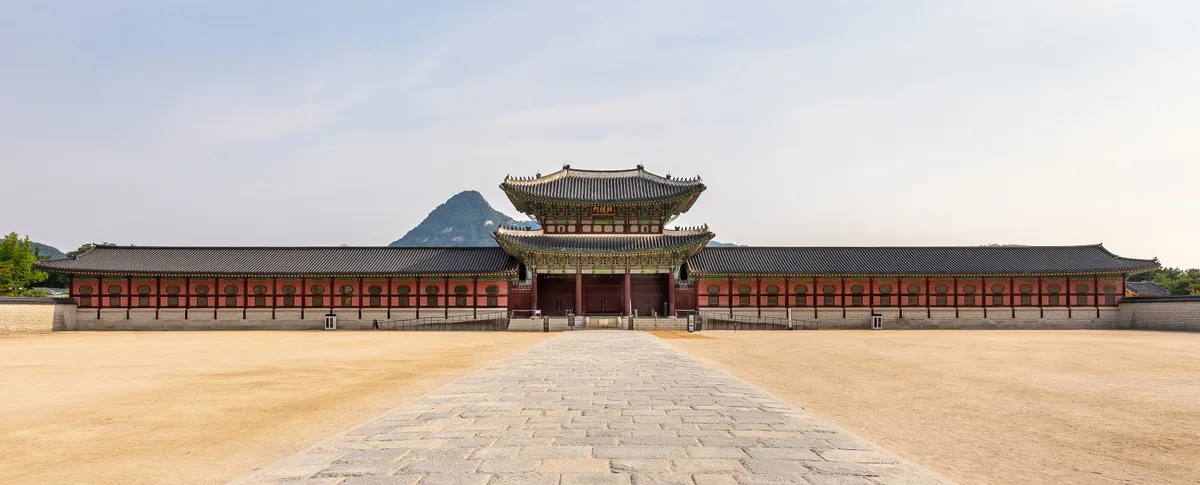
Four days of late-November design
The Seoul Design Festival takes place from November 26 to 29, 2026. That is a Thursday-to-Sunday run, which gives the event two weekdays and a full weekend. Seoul is properly cold by late November, so expect coats on the subway and a cloakroom mood inside.
The festival is a design exhibition organised around content that DESIGN magazine has gathered since 1976. You are walking through a print archive turned into a trade floor. Its booths, displays and talks come out of five decades of the magazine covering Korean products, graphics and interiors.
Fifty years of a magazine, laid out in halls
The magazine is the event’s reason for being. DESIGN began publishing in 1976, which makes 2026 its fiftieth year. That anniversary is the arithmetic behind this edition, whatever the halls end up holding.
This background shapes the event. A fair run by a publication tends to be curated like an issue, with sections, featured names and an editorial eye on who gets floor space. You will find less of a sprawling expo and more of a magazine you can walk around in, page by page.
For visitors from abroad, it works as a quick survey of what Korean designers are making right now. The usual mix runs from furniture and lighting to stationery, ceramics, textiles and packaging. Expect a lot of small studios alongside a few larger brands.
Where it happens: Samseong-dong and COEX
Recent editions of the Seoul Design Festival were held at COEX, the convention and exhibition complex in Samseong-dong, Gangnam-gu. The organiser publishes this year’s venue and hall details on its official site.
COEX is easy to reach by subway:
- Samseong Station (Line 2): exits 5 and 6 lead into the complex, much of it underground.
- Bongeunsa Station (Line 9): exit 7 puts you on the COEX side of Bongeunsa-ro.
The underground link from Samseong Station matters in late November. You can walk from the platform to the exhibition halls without stepping outside, past the shops and food courts of COEX Mall.
Moving through the booths
Korean design fairs run smoothly, and a few habits make the day easier.
- Payment: cards and Korean mobile payments are accepted almost everywhere in Seoul, including at small makers’ stands. Contactless foreign cards usually work too.
- Getting there: a T-money card covers the subway and buses. Most visitors top one up at a station machine.
- Photos: many exhibitors are independent designers showing original work. Visitors usually ask before photographing products up close, and a nod toward the item with your phone raised is enough.
- Business cards and brochures: these sit on most stands. Taking one counts as polite interest, not a commitment.
Weekends at exhibitions like this draw students and young families on top of trade visitors. So the Thursday and Friday usually make for easier browsing. Attendees who plan to buy often bring a tote bag, since some smaller stands keep their packaging minimal.
A few Korean words go a long way: annyeonghaseyo (hello), gamsahamnida (thank you), and igeo eolmayeyo? if you want to ask about an item. English is common among designers and staff at Gangnam venues, but greeting in Korean is the norm.
Tickets and the official programme
The organiser publishes the ticket links, the exhibitor list and the talk schedule on the official Seoul Design Festival site. DESIGN magazine’s own channels carry festival coverage too. This guide does not list a lineup or prices because none were given to us. The festival’s own pages hold those details.
Ticketed design fairs in Seoul usually offer online purchase through Korean ticketing platforms as well as sales at the venue. Foreign visitors sometimes find the Korean-only purchase pages slow going. A browser translation tool usually handles them well enough.
How long to give it
Most visitors spend a half day on the halls. Designers, buyers and students who sit in on talks often stay most of the day. Exhibition floors at COEX are large and hard-surfaced, and the booth layout encourages slow zigzagging rather than a straight walk.
The building handles breaks well. COEX Mall’s underground food courts and cafés sit steps from the exhibition entrances. So a lunch break doesn’t mean leaving the complex or going out into the cold.
Around COEX before or after
The neighbourhood fills out a design-minded day without much travel.
- Starfield Library: the double-height reading space inside COEX Mall, lined with tall bookshelves. It is a short walk through the mall.
- Bongeunsa: a Buddhist temple founded in the Silla period, directly across Bongeunsa-ro from COEX. Its giant Maitreya Buddha statue faces the Gangnam towers.
- Garosu-gil and Apgujeong: a few subway stops away, with design shops, concept stores and fashion flagships for anyone who wants more after the halls.
- Seonjeongneung: Joseon royal tombs in a wooded park near Seolleung Station, one stop west of Samseong on Line 2.
Late November means short days, and the city gets dark early. That suits Gangnam’s lit-up shopping streets after the halls more than outdoor sightseeing.
Frequently asked questions
When is the Seoul Design Festival 2026?
It runs from Thursday, November 26 to Sunday, November 29, 2026 in Seoul.
Where is the Seoul Design Festival held?
Recent editions were held at COEX in Samseong-dong, Gangnam-gu. The organiser publishes this year's venue and hall details on the official Seoul Design Festival site. COEX connects underground to Samseong Station (Line 2, exits 5 and 6) and is also close to Bongeunsa Station (Line 9, exit 7).
Who organises the Seoul Design Festival?
The festival is built around content gathered by DESIGN magazine, a Korean design publication that began in 1976. 2026 is the magazine's fiftieth year.
How long do people usually spend at the festival?
Most visitors spend a half day browsing the booths. Designers, buyers and people attending talks often stay most of the day. The COEX Mall food courts next door make breaks easy.
What else is near the venue?
Starfield Library is inside COEX Mall. Bongeunsa temple is across the road on Bongeunsa-ro, and the Seonjeongneung royal tombs are one stop away near Seolleung Station. The design shops of Garosu-gil and Apgujeong are a short subway ride away.
Plan your trip to Seoul
South Korea eSIM & staying connected →
Some links above are affiliate links — if you book through them, Wander Atlas earns a small commission at no extra cost to you. It's how we keep every guide free.
Related guides
 event
Benson Boone: Wanted Man Tour: Dates, Tickets & Venue (Seoul)
 event
Diana Krall Concert: Dates, Tickets & Venue (Seoul)
 event
EXO Planet #6 – EXhOrizon [dot] Encore Concert: Dates, Tickets & Venue (Seoul)
 event