Stanley Tin Hau Temple: Travel Guide (4.3★)
✓ Facts verified via Google Places · Sep 17, 2026
At a glance
Opening hours
- Monday: 8:00 AM – 6:00 PM
- Tuesday: 8:00 AM – 6:00 PM
- Wednesday: 8:00 AM – 6:00 PM
- Thursday: 8:00 AM – 6:00 PM
- Friday: 8:00 AM – 6:00 PM
- Saturday: 8:00 AM – 6:00 PM
- Sunday: 8:00 AM – 6:00 PM
How this guide is made
Produced with AI assistance and reviewed against live data sources. Facts such as hours, ratings, and location come from Google Places; images are licensed or public domain. Details can change — please verify before visiting. Editorial policy
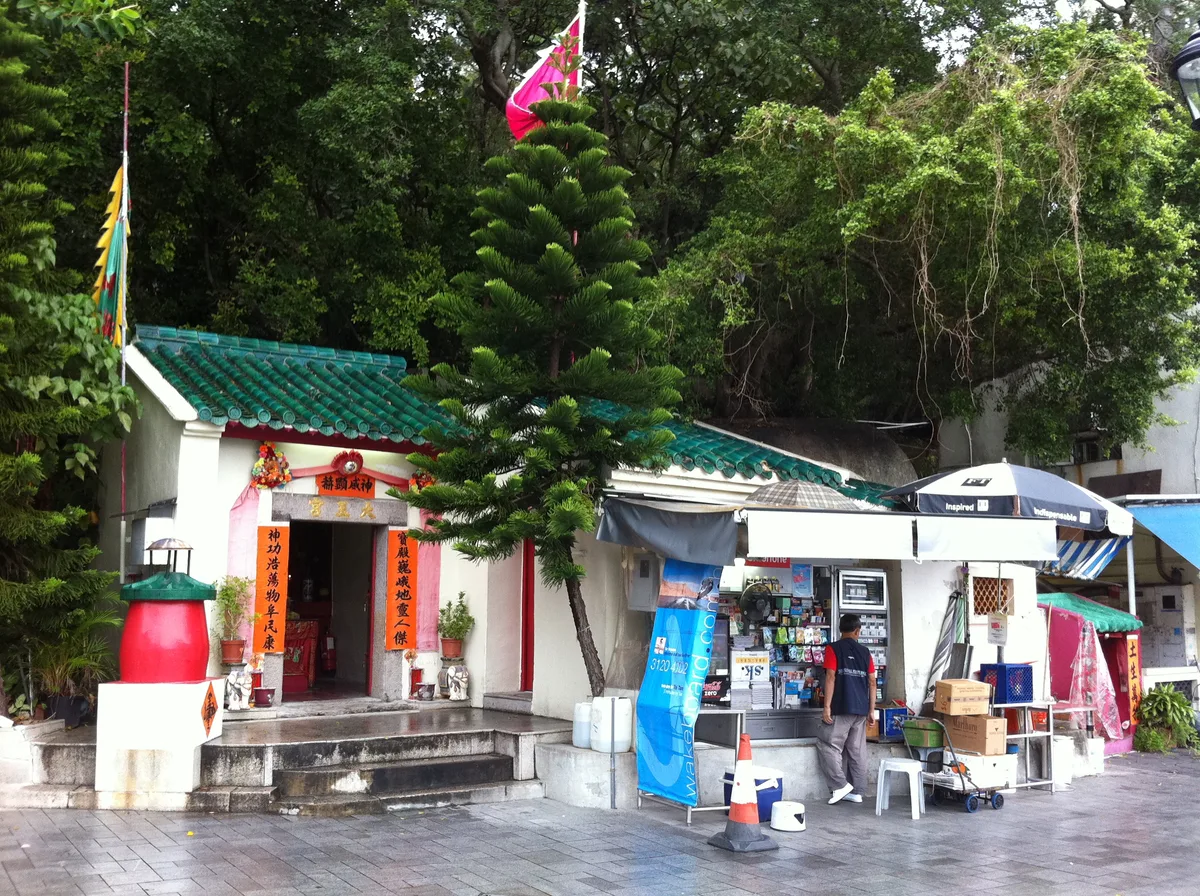
You come across it almost by accident: a low, dark-tiled building squeezed between the market stalls and the harbour, its entrance blackened with decades of incense smoke. Most people walking from the bus terminus to Stanley Market pass within a few metres of it and never notice, which is part of what makes it worth the detour.
What you’re looking at
This is one of the oldest Tin Hau temples on Hong Kong Island, dedicated to the sea goddess Tin Hau, patron of fishermen and sailors. Stanley was a fishing settlement long before it became a shopping strip, and the temple’s placement right on the waterfront reflects that history directly.
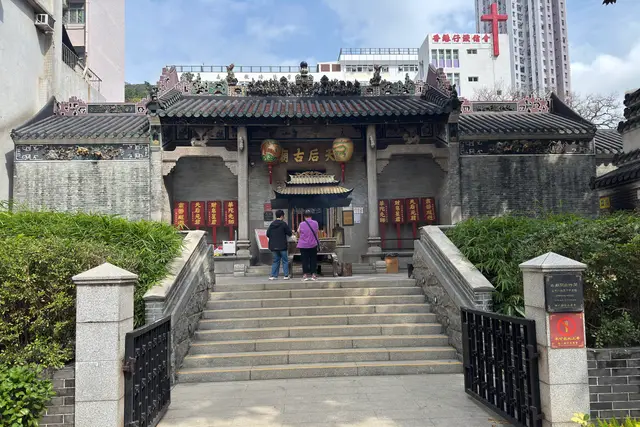
The roof carries the granite and ceramic-figure ridge decoration typical of Qing-era Cantonese temples, though weathered rather than restored to a shine. Inside, the main hall is small and dim, lit mostly by the red glow of hanging coils of incense and a few electric lamps. A tiger skin, said to be from an animal shot in the area decades ago, is kept inside and is one of the temple’s more talked-about features.
Finding it among the market stalls
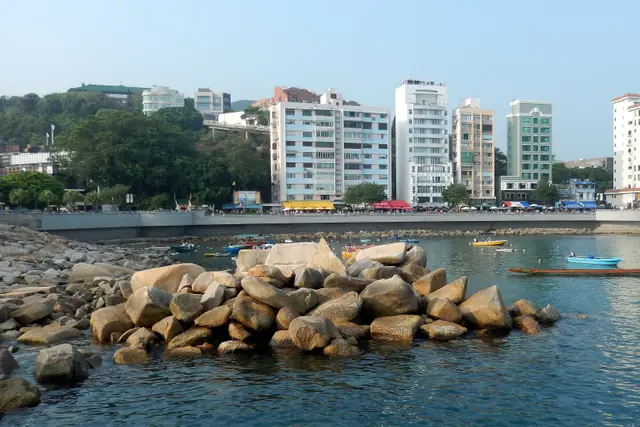
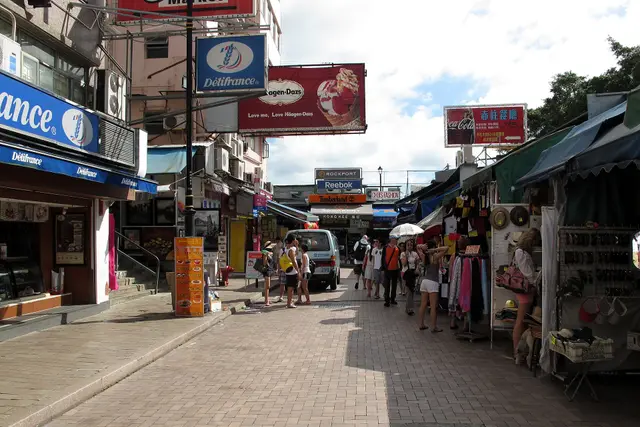
The temple faces the harbour near the old Stanley fishing village site, close to where Stanley Market’s stalls thin out toward the water. If you’re coming from Murray House or the Stanley waterfront promenade, walk along the seafront and look for a squat tiled roofline set slightly back from the shops.
It’s easy to miss because the entrance is narrow and doesn’t announce itself with signage the way the market stalls do. Locals treat it as a working shrine rather than a photo stop, so keep your voice down and your camera use minimal once you’re past the door.

When to go
The temple opens at 8am and closes at 6pm every day of the week, with no midday closure. Because it sits just off the main tourist flow between the bus station and the market, it tends to stay quiet even when Stanley itself is busy with weekend shoppers and beach crowds.
Early morning is your best window if you want the place to yourself, before the market stalls fully open and the day-trip crowds arrive from Central. Late afternoon, closer to closing, is a reasonable second choice.
Paying respects the way locals do
You don’t need to buy anything or follow a strict ritual to look around, but a few habits are worth knowing if you want to blend in rather than gawk.
- Incense and small offerings are usually available near the entrance for a small donation; light and place them yourself if you choose to
- Step over the raised wooden threshold rather than on it, a common convention at Chinese temples
- Keep to the sides of the main hall rather than standing directly in front of the altar if people are praying
- Photography of the exterior and general hall is fine; be more careful photographing individuals mid-prayer
There’s no ticket booth and no set donation amount, so this is a cash-in-pocket kind of stop if you want to leave a small offering.
Making it part of a Stanley walk
The temple works best as a five-minute pause within a longer Stanley loop rather than a standalone destination. Pair it with Murray House, the colonial-era building relocated here from Central, and the waterfront promenade with its restaurants and views toward the bay.
Stanley Market itself is a couple of minutes’ walk away for clothing, souvenirs and homeware stalls. If you have more time, Stanley Main Beach and the Stanley Military Cemetery add historical and coastal contrast to the trip.
Because the temple is genuinely under-the-radar compared to the market crowds, it also makes a good ten-minute breather if Stanley’s stalls start to feel overwhelming. You can step into the cooler, incense-scented hall and be back out shopping within minutes.
Getting there
Stanley is most commonly reached by bus from Central, notably the 6, 6X, 66 or 260 routes, which terminate near the market. From the bus terminus, the temple is a flat walk of five to seven minutes along the waterfront. There’s no MTR station directly in Stanley, so factor the bus journey, typically 30 to 40 minutes from Central depending on traffic, into your day.
Frequently asked questions
Is there an entrance fee for Stanley Tin Hau Temple?
No, entry is free. If you'd like to make an offering, small incense sticks or donations are available near the entrance for a nominal amount.
What are the opening hours?
It's open every day from 8am to 6pm, with no lunchtime closure, so you can fit a visit in at almost any point in your day trip to Stanley.
How do I get to Stanley Tin Hau Temple from Central?
Take bus 6, 6X, 66 or 260 from Central's Exchange Square bus terminus; the ride takes roughly 30 to 40 minutes and drops you a five to seven minute walk from the temple along the waterfront.
How much time should I spend there?
Most visitors spend 10 to 15 minutes inside and around the temple; it's a brief stop rather than a half-day attraction.
Is it worth visiting if I'm already going to Stanley Market?
Yes, it's only a couple of minutes from the market stalls and, unlike the market, stays quiet, making it a good short break from the crowds.
Plan your trip to Stanley
Some links above are affiliate links — if you book through them, Wander Atlas earns a small commission at no extra cost to you. It's how we keep every guide free.