Takayama Autumn Festival (Hachiman Matsuri): Dates, Tickets & Venue (Takayama)

How this guide is made
Produced with AI assistance and reviewed against live data sources. Facts such as hours, ratings, and location come from Google Places; images are licensed or public domain. Details can change — please verify before visiting. Editorial policy
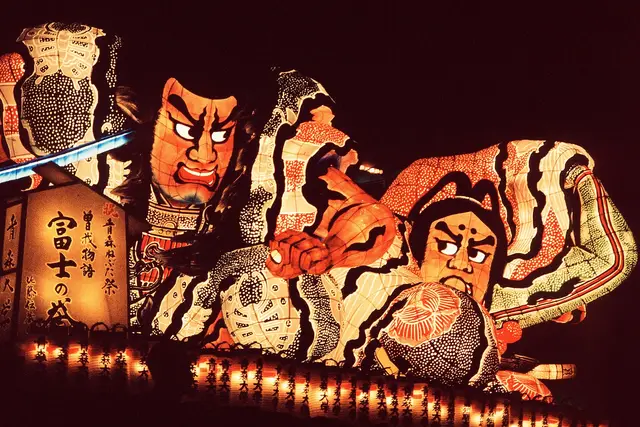
Every October, eleven wooden floats the height of a two-story house roll out of their storehouses in Takayama’s old town and take over the streets around Sakurayama Hachimangu Shrine. This is Hachiman Matsuri, the autumn half of Takayama’s twin festivals, and it draws crowds who come specifically for the floats, not the shrine itself, though the two are inseparable here.
What the festival actually is
Hachiman Matsuri is the fall festival of Sakurayama Hachimangu Shrine, held every October 9 and 10. Its spring counterpart, Sanno Matsuri in April, belongs to a different shrine on the other side of the river, so the two festivals are not repeats of each other.
The floats, called yatai, are lacquered, carved, and hung with metalwork and textiles that some families have maintained for centuries. A few carry mechanical marionettes, karakuri, that perform on top during the procession, worked by puppeteers hidden inside using strings and levers.
Nine or eleven floats typically appear depending on the year and weather, since some stay under cover if rain threatens. Confirm the current year’s float lineup and appearance schedule on the official site, since which floats parade can shift close to the date.
Dates and daily rhythm
The 2026 dates are October 9 and 10. Day one centers on the shrine grounds, where floats assemble and evening brings out illuminated floats and lanterns for a nighttime procession.
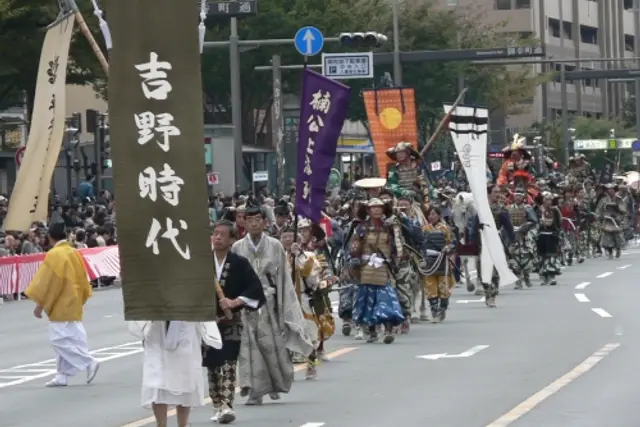
Day two is the main daytime parade, when the full float procession moves through the old town streets accompanied by musicians, a portable shrine (mikoshi), and attendants in traditional dress. Both days draw large crowds, so arrive with time to find a viewing spot rather than expecting to walk straight up to the barricades.
- Day 1 (Oct 9): floats gather at the shrine, evening illumination and karakuri performances
- Day 2 (Oct 10): daytime float procession through the old town, mikoshi parade
Exact start times shift slightly year to year and depend on weather contingency plans, so check the official schedule for the current hour-by-hour timing.
Finding your spot without a ticket
There’s no admission ticket for watching the procession from the street; it’s a public festival and the crowds line the route for free. What costs money is entry to see certain floats up close in exhibition halls, and reserved seating if the city sets any up for the parade route.
- Best free viewing: Ojin-dori and the streets fronting Sakurayama Hachimangu Shrine
- Arrive at least 60-90 minutes before a scheduled procession start for a clear sightline
- The shrine approach gets densest right before the evening floats light up on day one
If you want a guaranteed seat rather than standing in the crowd, check whether the city or shrine is offering paid reserved viewing for the current year; this has varied by year and isn’t guaranteed to exist.
Karakuri: the puppet show inside the parade
This is the detail that separates Takayama’s festival from a simple float parade. Certain yatai carry karakuri ningyo, mechanical dolls that flip, dance, or transform mid-performance, operated by puppeteers pulling as many as thirty strings from inside the float’s frame.
The karakuri performances happen at set points during the festival, usually when a float pauses in front of the shrine or at a designated stop along the route. They last only a few minutes each, so if you want to see one, plan to be near the front of the crowd at a performance stop rather than mid-procession where floats are simply moving past.
Sakurayama Hachimangu Shrine and the old town setting
The festival’s anchor point is Sakurayama Hachimangu Shrine, on the northern edge of Takayama’s preserved old town district. The shrine itself is a short uphill walk from the merchant streets of Kami-ninomachi and Sanmachi Suji, where Edo-period wooden storefronts now house sake breweries, miso shops, and craft stores.
Outside festival days, the shrine also houses the Takayama Yatai Kaikan, an exhibition hall displaying several yatai up close year-round on rotation. Visiting the hall before or after the festival is a useful way to study the float carving and karakuri mechanisms at leisure, since during the actual parade they’re moving and roped off.
Getting to Takayama
Takayama sits in the Gifu mountains, reached by JR limited express train from Nagoya (around 2 hours) or Toyama (around 1.5 hours), or by highway bus from Tokyo, Kyoto, and Osaka. From Takayama Station, the old town and shrine are a 15-20 minute walk, and the festival crowds make taxis slow on the day itself.
- Nearest station: JR Takayama Station, on the Takayama Main Line
- Walk from station to shrine: roughly 20 minutes through the old town
- Hotels in Takayama book out well ahead of October 9-10, so arrange accommodation early or consider staying in nearby Gero or Furukawa and day-tripping in
Confirming the details
Because float lineups, exact procession times, and any reserved seating options can change year to year, treat this guide as a planning starting point rather than the final word. Confirm timing and tickets on the official Takayama city tourism site or the Hida Takayama tourism portal before finalizing travel plans, especially for the exact hour the day-two procession begins.
Frequently asked questions
What are the dates for the Takayama Autumn Festival in 2026?
October 9-10, 2026. Day one focuses on the shrine grounds and an evening illuminated float procession; day two is the main daytime parade through the old town.
Do I need a ticket to watch the festival?
No, watching the float procession from the street is free. Paid options exist only for certain float exhibitions or occasional reserved seating, which varies by year, so check the official site.
Where is the best place to stand for the parade?
Ojin-dori and the area directly in front of Sakurayama Hachimangu Shrine offer the clearest views. Arrive 60-90 minutes before the scheduled start, especially for the day-one evening illumination.
How do I get to Takayama for the festival?
Take the JR limited express train from Nagoya (about 2 hours) or Toyama (about 1.5 hours), or a highway bus from Tokyo, Kyoto, or Osaka. From Takayama Station it's a 15-20 minute walk to the shrine and old town.
Is this the same as Takayama's spring festival?
No. Hachiman Matsuri in October belongs to Sakurayama Hachimangu Shrine; the spring festival, Sanno Matsuri in April, belongs to a different shrine (Hie Jinja) on the other side of the river.
Plan your trip to Takayama
Some links above are affiliate links — if you book through them, Wander Atlas earns a small commission at no extra cost to you. It's how we keep every guide free.